Brown your white fat cells with broccoli sprouts

A 2021 rodent study and a blog post with 51 references investigated fat cells:

“Sulforaphane (SFN) is a potent indirect antioxidant and a promising agent for controlling metabolic disorder disease. We evaluated efficacy of SFN against high fat diet (HFD)-induced-obesity mice, and investigated potential mechanisms.

SFN:

  • Suppressed HFD-induced body weight gain;
  • Reduced fat cell [adipocyte] size;
  • Suppressed expression of key genes in adipogenesis;
  • Inhibited lipid accumulation in C3H10T1/2 [pre-adipocyte] cells;
  • Increased expression of brown adipocyte-specific markers and mitochondrial biogenesis in vivo and in vitro; and
  • Decreased cellular and mitochondrial oxidative stress.

sulforaphane influences fat cells

Gene expression profile of C3H10T1/2 cells after SFN treatment showed that SFN inhibited expression of core adipogenesis genes (Ppar-γ, Fas, Cebpβ and Scd1) and enhanced expression of browning genes (Chop, Temem 26, Ucp1, Pgc-1α, and Prdm16) in adipocyte differentiation and trans-differentiation. This result suggested possible conversion of white adipocytes into beige cells.

We report that SFN induces browning of mature C3H10T1/2 adipocytes based on promotion of mitochondrial biogenesis by means of upregulation of the AMPK and NRF2 signaling pathways, and enhancement of mitochondrial function. Our further research revealed that SFN can prevent HFD-induced obesity in C57BL/6N mice by inducing browning of white adipose tissue.”

https://www.frontiersin.org/articles/10.3389/fphar.2021.665894/full “The Protective Effects of Sulforaphane on High-Fat Diet-Induced Obesity in Mice Through Browning of White Fat”


Dr. Paul Clayton had a nuanced view of body fat and its browning:

“You can divide adipose tissue into three cell types:

  • White adipocytes account for 95% of all adipocytes and have a primarily storage function;
  • The primary function of brown adipocytes, which range from 1-5% depending on cold exposure and very specific types of chemo-stimulation i.e. β3-adrenergic, is generation of heat via mitochondrial uncoupling.
  • Beige adipocytes are intermediate. They aren’t interspersed in depots of white adipose tissue and can transform into brown-like adipocytes following cold exposure or adrenergic stimulation.

Bone marrow adipose tissue plays an important role in haematopoiesis and bone metabolism in more than one form:

  • One is located in distal bones (forearm and lower leg) and is pretty much stable;
  • The other form is in spine and proximal limb bones, and is inducible by environmental factors such as cold exposure, fasting, and anaemia.

White adipose tissue can be divided into visceral and sub-cutaneous deposits, and these tissues have different behaviours and functions, too.

From a clinical perspective, it’s important to know that adipocyte-related inflammatory effects can be neutralised with omega 3 fatty acids, which return fat cells to a ‘healthy’ configuration. Their inflammatory effects can also be inhibited by various polyphenols which, among other things, block release of pro-inflammatory microRNAs.

In my experience, combining omega 3s with lipophile polyphenols and AMPK-activators such as dammarane saponins and metformin, provide supra-additive benefits.”

https://drpaulclayton.eu/blog/turn-fat-into-muscle/ “Turn Fat into Muscle”


Still no mention of sulforaphane on the doctor’s blog, although it’s:

I came across this first study through a “PPAR sulforaphane” search. Discarding a supplement as a result, because I’m already doing enough!

PXL_20210606_095305180

The amino acid ergothioneine

A trio of papers on ergothioneine starts with a 2019 human study. 3,236 people without cardiovascular disease and diabetes mellitus ages 57.4 ± 6.0 were measured for 112 metabolites, then followed-up after 20+ years:

“We identified that higher ergothioneine was an independent marker of lower risk of cardiometabolic disease and mortality, which potentially can be induced by a specific healthy dietary intake.

overall mortality and ergothioneine

Ergothioneine exists in many dietary sources and has especially high levels in mushrooms, tempeh, and garlic. Ergothioneine has previously been associated with a higher intake of vegetables, seafood and with a lower intake of solid fats and added sugar as well as associated with healthy food patterns.”

https://heart.bmj.com/content/106/9/691 “Ergothioneine is associated with reduced mortality and decreased risk of cardiovascular disease”


I came across this study by its citation in a 2021 review:

“The body has evolved to rely on highly abundant low molecular weight thiols such as glutathione to maintain redox homeostasis but also play other important roles including xenobiotic detoxification and signalling. Some of these thiols may also be derived from diet, such as the trimethyl-betaine derivative of histidine, ergothioneine (ET).

image description

ET can be found in most (if not all) tissues, with differential rates of accumulation, owing to differing expression of the transporter. High expression of the transporter, and hence high levels of ET, is observed in certain cells (e.g. blood cells, bone marrow, ocular tissues, brain) that are likely predisposed to oxidative stress, although other tissues can accumulate high levels of ET with sustained administration. This has been suggested to be an adaptive physiological response to elevate ET in the damaged tissue and thereby limit further injury.”

https://www.sciencedirect.com/science/article/pii/S2213231721000161 “Ergothioneine, recent developments”


The coauthors of this review were also coauthors of a 2018 review:

“Ergothioneine is avidly taken up from the diet by humans and other animals through a transporter, OCTN1. Ergothioneine is not rapidly metabolised, or excreted in urine, and has powerful antioxidant and cytoprotective properties.

ergothioneine in foods

Effects of dietary ET supplementation on oxidative damage in young healthy adults found a trend to a decrease in oxidative damage, as detected in plasma and urine using several established biomarkers of oxidative damage, but no major decreases. This could arguably be a useful property of ET: not interfering with important roles of ROS/RNS in healthy tissues, but coming into play when oxidative damage becomes excessive due to tissue injury, toxin exposure or disease, and ET is then accumulated.”

https://febs.onlinelibrary.wiley.com/doi/full/10.1002/1873-3468.13123 “Ergothioneine – a diet-derived antioxidant with therapeutic potential”


I’m upping a half-pound of mushrooms every day to 3/4 lb. (340 g). Don’t think I could eat more garlic than the current six cloves.

PXL_20210606_095517049

I came across this subject in today’s video:

Foods for your vision

This 2021 review by five ophthalmologists and two researchers characterized findings of food effects on human vision:

“The most challenging ocular disorders are uncorrected / under-corrected refractive errors, ocular surface dysfunction / dry eye disease, cataracts, glaucoma, diabetic retinopathy (DR), and age-related macular degeneration (AMD):

  • Severe visual impairment and blindness due to cataract or refractive error constitutes half of all global cases;
  • Glaucoma is the most common cause of irreversible blindness;
  • DR is the first cause of visual disability in working-age adults; and
  • AMD is the first cause of blindness in the elderly.

We identify directions for further research on:

  • The role of diet and nutrition in eyes and vision;
  • Potential antioxidant, anti-inflammatory, and neuroprotective effects of natural food (broccoli, saffron, tigernuts and walnuts);
  • The Mediterranean Diet; and
  • Nutraceutic supplements that may supply a promising and highly affordable scenario for patients at risk of vision loss.

We improve understanding of natural food nutritional hallmarks, benefits of the MedDiet, and appropriate oral supplements with vitamins, carotenoids and PUFAs for better eye and vision care.”

https://www.mdpi.com/2304-8158/10/6/1231/htm “Searching for the Antioxidant, Anti-Inflammatory, and Neuroprotective Potential of Natural Food and Nutritional Supplements for Ocular Health in the Mediterranean Population”


eyes

🙂

Does sulforaphane treat autism?

A 2021 human study investigated sulforaphane treatments of autistic 3-to-12-year-olds:

“Sulforaphane (SF) led to non-statistically significant changes in the total and all subscale scores of the primary outcome measure. Several effects of SF on biomarkers correlated to clinical improvements. SF was very well tolerated and safe and effective based on our secondary clinical measures.

13229_2021_447_Fig1

Clinical response to SF was associated with changes in mitochondrial function, and large intrasubject variability in this study was linked to underlying biological responses. The increase in ATP [adenosine triphosphate]-Linked Respiration associated with improvement in ABC [Aberrant Behavior Checklist] scores suggests that those individuals who showed improvements in behavior also had improved mitochondrial capacity to produce ATP.

Individuals who showed an improvement in ABC scores also showed a decrease in Proton Leak Respiration, suggesting that their mitochondria were better able to regulate oxidative stress. It is also possible that the increase in ATP production was related to improvement in the ability of mitochondria to handle oxidative stress.

SF had significant positive effects on oxidative stress, cytoprotective markers and cytokines, as well as mitochondrial function. These were promising findings that require further investigation of both clinical effects and mechanisms of action of SF.”

https://molecularautism.biomedcentral.com/articles/10.1186/s13229-021-00447-5 “Randomized controlled trial of sulforaphane and metabolite discovery in children with Autism Spectrum Disorder”


Differences between this clinical trial and its pilot study curated in Autism biomarkers and sulforaphane included:

“HO-1 [heme oxygenase 1] functions to couple activation of mitochondrial biogenesis to anti-inflammatory cytokine expression. It was initially increased in the pilot study, then paradoxically decreased in the main study, on continued treatment for longer periods with SF.

Increased HO-1 is consistent with decreases in proinflammatory cytokines we observed initially in IL-6, IL-1β and TNF-α. Decreased levels of cytokines continued after HO-1 returned to baseline with longer duration of treatment and suggest a decreased inflammatory state.

These cytokines are usually elevated in children with ASD, but were decreased on treatment with SF: IL-6 and TNF-α at 15 (but not 30) weeks.”

This study made a good effort with autistic children. Its insignificant effects of sulforaphane treatments pointed toward an understanding that human experiences when we are fetuses, infants, and young children can override many subsequent events, treatments, and life experiences.

All about the betaine

A trio of papers on betaine, the first being a 2021 series of thorough rodent experiments relating betaine and gut microbiota, and cause and effect:

“Compared with lean individuals, adipose tissues in obese individuals secrete high levels of pro-inflammatory cytokines such as TNF-α, IL-1β, and IL-6, inducing:

  • Systemic inflammation;
  • Insulin resistance;
  • Large amounts of carcinogenic factors; and
  • Increasing risk of certain types of cancer such as melanoma, colon cancer, and liver cancer.

Prebiotics obtained from fruits and vegetables can regulate host lipid metabolism and glucose homeostasis by reversing gut dysbiosis in obese individuals.

kgmi_a_1862612_f0005_oc

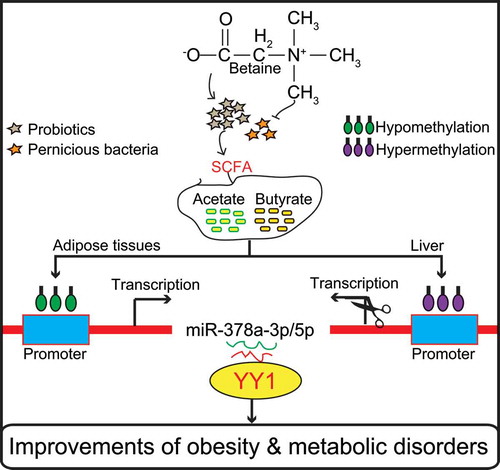
Results of this study show that dietary betaine alleviated gut microbiota imbalance in obese mice, and reduced development of obesity and obesity-related complications. Regulation of the miR-378a-YY1 regulatory axis by gut microbial acetate and butyrate was a critical mechanism for modulating:

  • White adipose tissue browning;
  • Classical brown adipose tissue activation; and
  • Lipid and glucose homeostasis

in obese mice after betaine supplementation.

These findings offer novel insights into underlying mechanisms by which gut microbiota affect host metabolism and host immune system, and demonstrate that the betaine-gut microbiota-derived signal axis is a potential therapeutic target in obesity and metabolic syndrome.”

https://www.tandfonline.com/doi/full/10.1080/19490976.2020.1862612 “Dietary betaine prevents obesity through gut microbiota-drived microRNA-378a family”


A second 2021 paper was a meta-analysis of effects on human cardiovascular biomarkers:

“Betaine supplementation had a significant effect on concentrations of:

  • Betaine;
  • Total cholesterol;
  • Low-density lipoprotein (LDL);
  • Homocysteine [negative effect]; and
  • Methionine.

Betaine supplementation did not affect serum concentrations of:

  • Triglycerides;
  • High-density lipoprotein (HDL);
  • Fasting blood glucose;
  • C-reactive protein;
  • Liver enzymes alanine aminotransferase (ALT), aspartate aminotransferase (AST), gamma-glutamyl transferase (GGT); and
  • Blood pressure.

Our meta-analysis supports the advantage of a lower dose of betaine supplementation (<4 g/d) on homocysteine concentrations without the lipid-augmenting effect observed with a higher dosage.”

https://www.tandfonline.com/doi/abs/10.1080/10408398.2021.1902938 “Effects of betaine supplementation on cardiovascular markers: A systematic review and Meta-analysis” (not freely available)


A third paper was a 2014 cereal analysis of betaine and its precursor choline that found a 224% increase in betaine from 62 to 139 μg/g and a 31% increase in choline from microwaving oats:

“Betaine and its precursor choline are important components of one-carbon metabolism, remethylating homocysteine into methionine and providing methyl groups for DNA methylation. Cereals are the main source of betaine in diet.

During cooking processes which did not involve removal of water (in this case oat porridge microwaved using instant oats) appeared to lead to creation of betaine. Explanations for this phenomenon could be that betaine is synthesised during the process, or that heating with water liberates betaine from cereal matrix, enhancing efficiency of extraction.”

https://www.sciencedirect.com/science/article/abs/pii/S0308814613012247 “Cereal foods are the major source of betaine in the Western diet – Analysis of betaine and free choline in cereal foods and updated assessments of betaine intake” (not freely available)


Another 2021 betaine (aka trimethyl glycine) study was curated in Ride the waves of gene expression with betaine for its role in preventing nerve disease. I take 1.5 grams of a betaine supplement every morning and evening when eating hulled Avena sativa 3-day-old oat sprouts.

I found the first two papers from their citing a 2016 human and rodent study Dietary Betaine Supplementation Increases Fgf21 Levels to Improve Glucose Homeostasis and Reduce Hepatic Lipid Accumulation in Mice, which was linked in a comment on this 2021 video:

Small intestine alkaline phosphatase

This 2021 rodent study used small intestine alkaline phosphatase (IAP)-overexpressed subjects on a high-fat, high-cholesterol diet to investigate effects:

“To examine direct effects of increased IAP expression on barrier function and development of metabolic diseases, we developed intestine-specific IAP transgenic mice (IAPTg) overexpressing human chimeric IAP. We evaluated effects of intestine-specific IAP overexpression on Western-type diet (WD)–induced atherosclerosis in Ldlr−/ mice.

Diets low in fiber deprive intestinal bacteria of essential nutrients. Luminal bacteria turn to alternate sources of energy, namely, the carbohydrate-rich mucosal layer. This enhances direct contact between gut bacteria and intestinal epithelial layer, and promotes inflammation and intestinal barrier dysfunction.

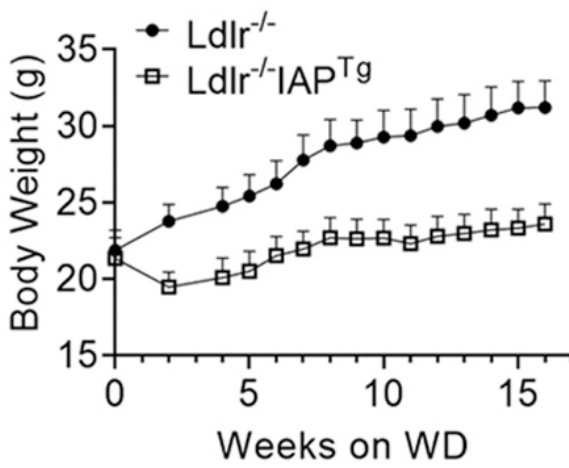
Increase in IAP improves intestinal barrier function by not only dephosphorylating LPS and limiting its translocation to systemic circulation, but also by improving mucosal layer. Furthermore, IAP overexpression results in attenuated WD-induced weight gain and significantly reduced absorption of dietary lipids, leading to attenuation of total plasma cholesterol and TG levels, as well as hepatic lipids. This improved metabolic profile results in significant reduction in WD-induced atherosclerosis in Ldlr−/−IAPTg mice.

overexpressed IAP

IAP overexpression results in attenuated WD-induced weight gain and significantly reduced absorption of dietary lipids, leading to attenuation of total plasma cholesterol and TG levels, as well as hepatic lipids. This improved metabolic profile results in significant reduction in WD-induced atherosclerosis in Ldlr−/−IAPTg mice.

Increases in IAP can significantly attenuate effects of WD feeding on intestinal barrier function. It is noteworthy that IAP is also shown to be involved in innate immunity, and its activity is positively correlated to intestinal levels of IgA in mice and fecal immunoglobulins in humans.

The list of nutrients and food components/supplements that increase IAP continues to grow (galactooligosaccharides, glucomannan, vitamin D3), providing a novel opportunity to develop simple strategies for modulation of diet/nutrition to target metabolic diseases, including diabetes, fatty liver disease, atherosclerosis, or heart disease.”

https://www.ahajournals.org/doi/10.1161/CIRCRESAHA.120.317144 “Over-Expression of Intestinal Alkaline Phosphatase Attenuates Atherosclerosis”


This study used ileal samples from the small intestine’s last section for its findings. It complemented Take FOS or inulin to increase your gut’s alkaline phosphate activity which used large intestine samples to demonstrate effects of  increased IAP activity.

Eat to make your gut microbiota happy, and expect reciprocity.

A biological age snapshot from a year ago

This May 3, 2020 two-hour video on Optimizing Biological Age was instructive:


Content was great! I recommend the longish Q & A, especially at 1:23 regarding inflammation.

It was a snapshot in that researchers on this conference call were interested in improving people’s health. Few recognized at the time a globally coordinated effort to herd humans into one tracking database using an injurious jab as a pretext.

optimizing biological age

The next phase of reversing aging and immunosenescent trends

Dr. Greg Fahy earlier this week provided an update on the November 2020 TRIIM-X follow-on to the September 2019 TRIIM curated in Reversal of aging and immunosenescent trends. Emphasis was on reproducibility:

23:45 Dr. Steve Horvath reanalyzed TRIIM for the plasma portion of Levine’s PhenoAge epigenetic clock. Results were congruent with four other epigenetic clocks showing a 2.5 year reduction of biological age.

39:20 TRIIM-X preliminary results started with C-Reactive protein.

43:05 No backsliding in epigenetic age deceleration between TRIIM and TRIIM-X!

continued epigenetic age deceleration

55:07 Q & A session starts with how TRIIM-X controls for supplements. Answers for resveratrol and calorie restriction, emphasizing that CR doesn’t reverse aging.

1:10 TRIIM-X took photos of subjects’ hair at baseline!


Great update! The last 20 minutes emphasized a need for capital in aging research. TRIIM-X has another 1.5 years to go, and other aging research projects needing funding were mentioned.

Don’t know what happened to the unmentioned 3000 IU vitamin D and 50 mg zinc recommendations of TRIIM. So I asked. Dr. Fahy replied:

“They are still there! Just not mentioned!”

Thought briefly about enrolling in TRIIM-X, but there’s no way anyone but me gets to experiment with my body.

Take FOS or inulin to increase your gut’s alkaline phosphatase activity

This 2020 rodent study ran a series of experiments relating gut health factors. I left some items out that Google Translate didn’t handle well.

“This study investigated effects of food factors on colonic microbiota, fermentation products, mucins, immunoglobulin A (IgA) and alkaline phosphatase (ALP) activity. Colonic ALP activity was positively correlated with colonic luminal variables such as fecal mucin level, ratio of Bifidobacterium spp., and level of n-butyrate, which are associated with a more favorable colonic environment. We propose that the increase of colonic ALP activity induced by fermentable non-digestible carbohydrates may be important for protection of gut epithelial homeostasis.

Since glucomannan was found to induce colon ALP activity, effects of other dietary fibers were also investigated. Ingestion of water-soluble dietary fibers pectin and inulin significantly increased colon tissue and fecal ALP activity of high-fat diet-fed rats.

Ingestion of chitosan, an insoluble dietary fiber, had no effect on colonic ALP activity. This indicates that colonic ALP activity may be induced by indigestible sugars such as fermentable water-soluble dietary fiber.

ALP activity of the large intestine tissue of rats fed a high-fat diet was significantly increased by ingestion of indigestible oligosaccharides fructooligosaccharide (FOS), galactooligosaccharide (GOS), raffinose (RAF) and lactulose (LAC). Mucin, n-butyric acid, and Bifidobacterium spp. significantly increased, and Clostridium coccoides was significantly reduced.

ALP activity

In the digestible isomaltooligosaccharide (IMOS)-added diet group, large intestine ALP activity, ALP gene expression, mucin, organic acid, and intestinal flora showed no effect.

In order to investigate nutritional conditions on inducing colon ALP activity by oligosaccharide intake, the difference in lipid quality ingested was examined under a high-fat diet.

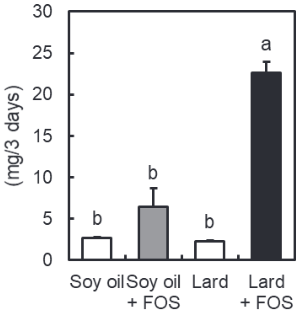
  • When soybean oil and lard were used as dietary fats, the difference in quality of dietary lipids did not affect large intestine ALP activity and IAP-I expression in the FOS-free diet.
  • When FOS was added, ALP activity and IAP-I expression in the large intestine tissue were significantly increased under the condition of a high lard diet as compared with a high soybean oil diet.
  • Mucin content behaved similarly to colon tissue ALP activity and IAP-I expression.

mucin content

In this study, it was newly found that the effect of indigestible oligosaccharide intake on increasing colon ALP activity differs depending on nutritional conditions such as type of lipid. Furthermore, it was found that the increase in colon ALP activity under indigestible sugar intake has a positive correlation with factors involved in maintaining function of the intestinal environment, such as mucin.”

https://www.jstage.jst.go.jp/article/jsnfs/74/1/74_9/_article “Modulation of the Colonic Luminal Environment by Food Factors” (in Japanese)


I arrived at this study by it citing a 2011 study Vitamin K1 (Phylloquinone) or Vitamin K2 (Menaquinone-4) Induces Intestinal Alkaline Phosphatase Gene Expression. More on IAP in this 2020 video:

Your bones influence your brain

This 2020 review subject was brain-bone crosstalk:

“Multiple stress, mood and neurodegenerative brain disorders are associated with osteoporosis. Skeletal diseases display impaired brain development and function.

Along with brain and bone pathologies, trauma events highlight strong interaction of both organs. While brain-derived molecules affecting bone include central regulators – transmitters of the sympathetic, parasympathetic and sensory nervous system – bone-derived mediators altering brain function are released from bone cells and marrow.

ijms-21-04946-g001

Osteoblast-derived hormone osteocalcin (OCN) exerts neuroprotective effects. Studies revealed a bidirectional dependence of brain and bone through bone cell-derived modulators that directly affect behavioral and cognitive function.

The main bone-derived mediator affecting the brain is OCN, which is exclusively synthesized by osteoblasts. OCN was recently discovered to transverse the BBB to enter the CNS, where it promotes spatial learning and memory while preventing anxiety-like behavior or even depression.

Cognitive function and circulating levels of OCN are proposed to inversely correlate with age. Maternal osteocalcin regulates embryonic brain development by enhancing monoamine neurotransmitters and their synthesis.

Clinical observations provide key evidence for a bidirectional communication between brain and bone tissue, which is strongly supported by experimental studies that unraveled underlying mechanistic pathways and identified molecular mediators involved in this crosstalk.”

https://www.mdpi.com/1422-0067/21/14/4946/htm “Crosstalk of Brain and Bone-Clinical Observations and Their Molecular Bases”


The first paper of Vitamin K2 – What can it do? said:

Osteocalcin γ-carboxylation is the main mechanism of action through which Vitamin K2 improves bone health.”

This paper didn’t mention Matrix Gla Protein (MGP) carboxylation, and said a contrary:

“Undercarboxylated, bioactive OCN, initially considered as an inhibitor of bone mineralization, participates in systemic body regulation and homeostasis.”

The 2019 paper cited was Osteocalcin‑GPRC6A: An update of its clinical and biological multi‑organic interactions (Review):

“Osteocalcin is a small protein present in two forms: Carboxylated (cOC) and undercarboxylated (ucOC). Only ucOC can signal as a hormone while cOC cannot.”

It went on to downplay cOC, and also didn’t mention MGP carboxylation.

I think it’s a question of balance. cOC stays in your bones. Carboxylated MGP influences calcium to go into your bones instead of your blood vessel walls. Two good things.

Dietary fibers and the aged microbiome

This 2021 rodent study investigated effects of four different types of dietary fiber on two different types of aged human microbiota:

Individual differences in gut microbiota may influence host metabolic responses to dietary fiber in humans. Dietary fibers are edible carbohydrates resistant to host digestive enzymes, and not broken down or absorbed in the small intestine.

We colonized genetically identical germ-free mice with two distinct human fecal communities and fed them isocaloric diets containing different types of fiber. We used fecal specimens from a cohort of previously analyzed samples obtained from adults in their mid-seventies.

We used 10% dietary fiber and 35% kcal derived from fat as comparable to the intake level of dietary fiber in US adults:

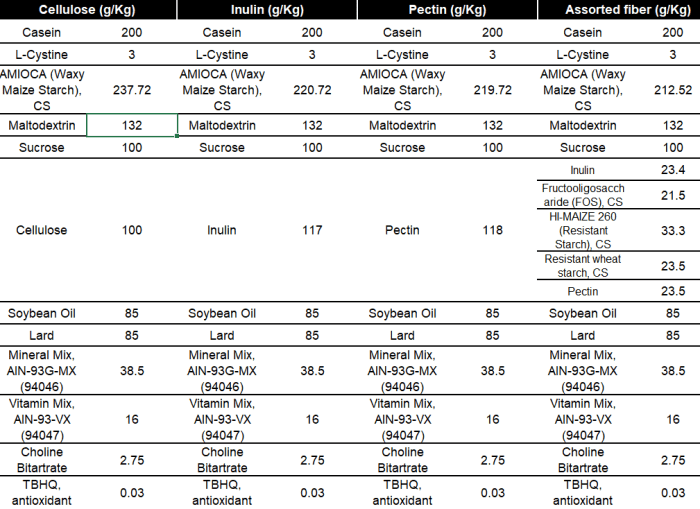
four diets

All mice had the same assorted fiber diet for two weeks. Mice were then switched to one of four diets described above: cellulose, inulin, pectin, and assorted fiber, and maintained in these diets for another 4 weeks.

There was a ~ 4-fold range in levels of cecal butyrate among the eight groups despite all animals consuming the same diet [before switching]. Butyrate is known to vary widely among humans and has been linked with beneficial health effects on the host:

SCFA individual differences

We chose inulin and pectin as the former is commonly used as a prebiotic, while the latter has been proven to support growth of a wide variety of gut microbes, and it is commonly used as a dietary supplement. We also chose these two dietary fibers due to their distinct structures, including differences in basic units, linkages, and degree of polymerization.

Assorted fiber diet had the same total amount of dietary fiber as treatment groups used in this study, but with more diversity [FOS and two resistant starches] in fermentable substrates, which we reasoned would support engraftment of taxa relevant to all dietary treatments. Inclusion of this group in the experimental phase also served as a control to inform whether this diet used during colonization drove major differences.

Diet and its interaction with gut community showed a significant effect on serum glucose levels. While pectin diet had an overall beneficial effect on metabolic phenotypes relative to non-fermentable cellulose for SubA-colonized mice, this diet was less favorable for SubB-colonized animals, which showed the strongest benefits on inulin fiber.

In inulin diet, mice inoculated with SubB showed decreased adiposity, decreased liver triglycerides (TG) and lower serum levels of fasting glucose relative to animals colonized with SubA. In contrast, pectin-fed mice colonized with SubB accumulated more fat mass relative to SubA-colonized counterparts, whereas serum glucose and liver TG were comparable between the two community groups.

Mice colonized with SubB showed significantly lower levels of adiposity than those colonized with SubA in the assorted fiber diet, whereas serum glucose and liver TG were comparable.

We found that these two transplanted communities elicited divergent metabolic epigenetic and transcriptional responses to the same dietary fiber. Furthermore, differences between mice colonized with these two communities varied depending on type of fiber consumed.

Populations contain a significant amount of genetic variation derived from their largely individual associated microbiomes. Dissecting effects of gut microbial vs. host genetic variation while controlling environmental exposure is practically impossible to achieve in human studies.

One-size-fits-all approaches to promote health are unlikely to elicit consistent effects across individuals. Identifying gut microbial biomarkers associated with beneficial responses to common interventions may help to stratify subjects into more effective personalized treatments.”

https://microbiomejournal.biomedcentral.com/articles/10.1186/s40168-021-01061-6 “Gut microbiome variation modulates the effects of dietary fiber on host metabolism”


1. This study nailed it! You are what you eat, and The future of your brain is in your gut right now.

2. Group differences in cecal butyrate in the second graphic were instructive. But what really needed to be analyzed was each individual subject’s responses within the eight groups, and each individual’s characteristics.

What did or didn’t matter to each individual could then be applied and analyzed to what did or didn’t matter to its group. Researchers need to flip from a top-down statistics-package approach, to a bottoms-up individual paradigm for evidence.

3. Haven’t mentioned Increasing soluble fiber intake with inulin recently. I eat the labeled 2.5 grams serving. More than that runs into a 10 g “Over this dose would induce mild gastrointestinal symptoms” threshold.

I eat a half-dozen cloves of garlic in daily AGE-less chicken vegetable soup. Garlic contains ≈ 16% inulin, contributing 4-5 g inulin.

4. My dietary fiber intake of current practices is well beyond this study’s 10%. Several times more than our human ancestors’ estimated 100 g/day if Switch on your Nrf2 signaling pathway measurements are correct?

Trying to make my gut microbiota happy, expecting that they’ll reciprocally respond. Dietary fat content is < 10 %.

An outstanding review of Vitamin K deficiency and disease

This 2019 review focused on one Vitamin K-deficiency biomarker. All parts I’ve quoted are outside the liver, so Vitamin K deficiency ≈ Vitamin K2 deficiency.

This is a hard read with many technical details, but sometimes that’s how researchers do it:

“Active MGP (matrix Gla protein), once released into extracellular space, acts as a local inhibitor of calcification. Widespread expression of MGP points to a role of MGP that by far exceeds its well-known function as local inhibitor of calcification.

Recent research confirmed this concept, usually by measuring plasma dp-ucMGP (desphospho-uncarboxylated MGP), a biomarker reflecting poor vitamin K status:

1160fig02

Vitamin K plays a pivotal role in maintaining bone health. Increasing evidence also implicates MGP in maintaining bone health.

In the Health, Aging and Body Composition study, 791 older community-dwelling adults underwent magnetic resonance imaging to measure bilateral knee structural features. The highest [25%] compared with the lowest fourth of the dp-ucMGP distribution had higher odds of having:

  • Meniscus damage;
  • Osteophytes;
  • Bone marrow lesions; and
  • Subarticular cysts.

Regarding Vitamin K supplementation:

  • Studies showed a dose-dependent decrease in circulating dp-ucMGP with an 86% decrease already observed after 4 weeks of substitution by 360 μg menaquinone-7 [in 50 hemodialysis patients];
  • In a randomized double-blind trial of 244 postmenopausal women followed up for 3 years, arterial stiffness as captured by aortic pulse wave velocity or stiffness index β, decreased in intervention compared with control group.

These results should be considered as hypothesis-generating in view of small sample size, and because there were no between-group differences in vitamin K–induced changes in elastic properties of the carotid artery.

Plasma dp-ucMGP levels ranging from 1.4 to 4.6 μg/L were optimal in terms of risk of mortality and macrovascular cardiovascular illness (4.6 μg/L threshold corresponding to the 65th percentile of dp-ucMGP distribution).

Vitamin K supplementation before irreversible organ damage sets in might find its application in prevention of a wide range of disabling diseases. Circulating dp-ucMGP levels might be measured over time to track risk of vascular complications.”

https://www.ahajournals.org/doi/10.1161/HYPERTENSIONAHA.119.12412 “Vitamin K–Dependent Matrix Gla Protein as Multifaceted Protector of Vascular and Tissue Integrity”


I usually don’t give 5+ stars to reviews. This one was different.

Yes, there could be factors other than this one Vitamin K deficiency biomarker involved in study findings. Sure, these coauthors cited their own studies. Its overall purpose, though, was to inform readers.

I’ll summarize this paper as providing evidence for a biomarker of Vitamin K2 deficiency being implicated in the development and progression of many diseases.

Part 2 of Vitamin K2 – What can it do?

Two papers on Vitamin K2, and an online database to continue Part 1:

“Precise quantitative assessments of vitamin K bioavailability in humans is challenging due to unquantified tissue conversion of PK [phylloquinone, Vitamin K1] to MK [menaquinone, Vitamin K2]-4, and contributions of gut microbiota. Absorption of long-chain MKs (MK-7, MK-8 and MK-9) from natto, cheese and egg yolk is close to 100%.

Long-chain MKs have a longer half-life. Long half-life may not necessarily indicate increased bioavailability, but instead non-preferential utilisation by tissues compared to PK and MK-4. A long half-life may also indicate that long-chain MKs may be of particular importance for extrahepatic tissues.

12 databases list vitamin K content of individual food items, which is required to more accurately determine vitamin K intake. The Dutch database is the most comprehensive, and includes PK and several types of MKs, ranging from MK-4 to MK-10.”

https://pubs.rsc.org/en/content/articlelanding/2020/FO/C9FO02321F “Quantifying dietary vitamin K and its link to cardiovascular health: a narrative review” (not freely available)


One online database mentioned is at https://www.rivm.nl/en/dutch-food-composition-database:

“The Dutch Food Composition Database (NEVO) contains data on the composition of foods eaten frequently by a large part of the Dutch population. These foods contribute significantly to the intake of energy and nutrients. Foods of importance for specific groups of the Dutch population are also included.

The NEVO online website contains data on 133 nutrients of 2152 food items. The most recent version of NEVO online dates from November 2019.”

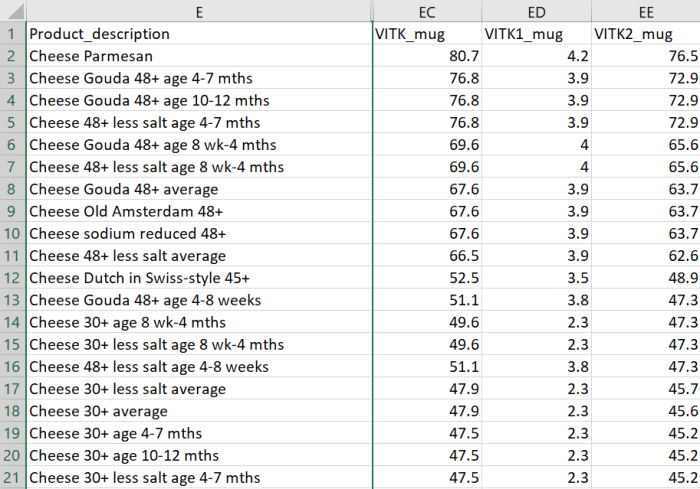
I downloaded a copy in Excel format, selected all, and sorted by column EE “VITK2_mug” in descending order. There were 263 food items with Vitamin K2 measurements.

Vitamin K2 food content


A second paper detailed a 2021 double-blind, placebo-controlled, feasibility study:

“INTRICATE will assess the influence of combined vitamin K2 and vitamin D3 supplementation on micro-calcification in carotid artery disease. Considering recent advancements in medical imaging, ultrasound, PET/MRI, and computed tomography can be used for selection and stratification of patients with atherosclerosis.

Subjects will be randomized (1:1) to a vitamin K2 (400 µg MK-7/day) and vitamin D3 (80 µg [3200 IU]/day) dose or to placebo. Primary endpoint is change in Na[18F]F PET/MRI (baseline vs. after 3 months) in treatment group as compared to placebo arm. Secondary endpoints are changes in plaque composition and in blood-biomarkers.

Studies suggest positive effects of vitamin D on vitamin K-dependent metabolism. The MGP-gene promoter contains a vitamin D response element, capable of a two to threefold enhanced MGP expression after vitamin D binding.

Upregulation of MGP due to vitamin D needs vitamin K to ensure full activation of MGP for optimal functioning. This implies that the combination of both vitamin K and vitamin D could provide enhanced protection against progressive vascular calcification, cardiovascular disease, and mortality.”

https://www.mdpi.com/2072-6643/13/3/994/htm “Effects of Combined Vitamin K2 and Vitamin D3 Supplementation on Na[18F]F PET/MRI in Patients with Carotid Artery Disease: The INTRICATE Rationale and Trial Design”


The second study was somewhat of a tell in that after two decades, researchers are still testing Vitamin K2 dose efficacy. Researchers don’t consider it proper science to not use a statistics package to lump subjects into groups.

Someday researchers will thoroughly analyze each individual, and relate measurements to each individual’s causal and symptomatic characteristics. Then we’ll find out whether what did or didn’t matter to each individual, will or won’t matter to a group.

Until then they’ll focus on one dimension of health like Vitamin K2 foods per their sponsor’s directions. Nevermind that Vitamin K2-rich foods like cheeses are full of advanced glycation end products (AGEs) that humans can’t adequately metabolize, to our detriment.

Vitamin K2 – What can it do?

A trio of papers on Vitamin K2, the first being a 2021 review that emphasized dual effects:

“Osteoporosis (OP) is the most common bone disease that affects elderly men and women. It is a metabolic skeletal disorder caused by an imbalance between bone formation and resorption, leading to a loss of bone mass and quality, skeletal structure deterioration, and an increased risk of fractures.

Vascular calcification is defined as ectopic deposition of mineral matrix in vessel wall. It occurs prevalently in aging and primary chronic conditions (hypertension, diabetes mellitus, and chronic kidney disease), representing an important risk factor for cardiovascular morbidity and mortality.

Studies have provided support for a close link between bone and vascular health. Findings suggest that bone loss in OP may promote and increase the risk of cardiovascular events and vascular atherosclerosis.

Vitamin K2 is involved in a phenomenon in which a low calcium deposition in bone tends to be associated with a parallel increase of calcium deposition in vessel wall as a consequence of impaired calcium metabolism. Most production of Vitamin K2 in humans takes place in intestines. However, the amount derived from intestinal bacteria is poorly absorbed, and is not able to reach concentrations required to exert physiological functions.

Vitamin K2‘s ability to reduce loss of bone mineral density and fracture risk, as well as to improve bone quality, has been described by several clinical studies, which have confirmed that osteocalcin (OC) γ-carboxylation is the main mechanism of action through which this natural compound is able to improve bone health. Clinical evidence suggests an analogous protective role of Vitamin K2 at the vascular level, emphasizing a strict association between:

  • Vitamin serum level;
  • Matrix gla protein (MGP) γ-carboxylation levels;
  • Reduction of vascular smooth muscle cells osteogenic trans-differentiation; and
  • Possible risk of cardiovascular events.”

https://www.mdpi.com/2072-6643/13/4/1222/htm “The Dual Role of Vitamin K2 in ‘Bone-Vascular Crosstalk’: Opposite Effects on Bone Loss and Vascular Calcification”


A second 2021 review emphasized aging:

“Vitamin K can:

  • Carboxylate OC (a protein capable of transporting and fixing calcium in bone);
  • Activate MGP (an inhibitor of vascular calcification and cardiovascular events); and
  • Carboxylate Gas6 protein (involved in brain physiology and a cognitive decline and neurodegenerative disease inhibitor).

By improving insulin sensitivity, Vitamin K lowers diabetes risk. It also exerts antiproliferative, proapoptotic, autophagic effects, and has been associated with a reduced risk of cancer.

The most common [Vitamin K2] subtypes in humans are the short-chain MK[menaquinone]-4, which is the only MK produced by systemic conversion of phylloquinone [Vitamin K1] to menaquinone, and MK-7 through MK-10, which are synthesized by bacteria. The main sources of Vitamin K2 are fermented foods, cheeses, eggs, and meats.”

https://www.mdpi.com/2076-3921/10/4/566/htm “The Role of Vitamin K in Humans: Implication in Aging and Age-Associated Diseases”


The third paper – somehow not cited by these two reviews – was a 2006 human study that performed four experiments:

“The synthetic short-chain vitamin K1 is commonly used in food supplements, but recently the natural long-chain MK-7 has also become available as an over-the-counter supplement. The purpose of this paper was to compare in healthy volunteers absorption and efficacy of K1 and MK-7.

Serum vitamin K species were used as a marker for absorption and OC carboxylation as a marker for activity. Both K1 and MK-7 were absorbed well, with peak serum concentrations at 4 hours after intake.

A major difference was:

  • Very long half-life time of MK-7, resulting in much more stable serum levels; and
  • Accumulation of MK-7 to higher levels (7- to 8-fold) during prolonged intake.

MK-7 induced more complete carboxylation of OC.

Vitamin K2 vs K1

Accumulation and efficacy of K vitamins during long-term daily administration. Participants received in a crossover design either K1 (○) or MK-7 (•) or placebo; in the latter case only K1 (▴) could be detected.

  • (A) Circulating levels of vitamin K; baseline levels for K1 were subtracted; no MK-7 could be detected at baseline.
  • (B) Ratio between circulating carboxylated and undercarboxylated osteocalcin (cOC/ucOC); at baseline the ratio was 1.74 for MK-7, 1.8 for K1, and 1.7 for the placebo group.

MK-7 accumulated during the first 2 weeks until it reached a plateau level of about 10 nM (6 μg/L), whereas K1 remained slightly above placebo values during the entire study period. Efficacy of both K vitamins for OC carboxylation was monitored using the ratio between circulating cOC and ucOC, and it turned out that within 3 days both vitamins had induced increased cOC.

But only by taking MK-7 did the effect continue to increase during the entire study period.

Taken together, these data demonstrate considerable differences between MK-7 and K1:

  • Higher and more stable serum levels are reached with MK-7; and
  • MK-7 has a higher efficacy in both hepatic and extrahepatic protein carboxylation.”

https://ashpublications.org/blood/article/109/8/3279/23729/Vitamin-K-containing-dietary-supplements “Vitamin K–containing dietary supplements: comparison of synthetic vitamin K1 and natto-derived menaquinone-7″


I’ve tried various things over the years to address hypertension. I stopped high blood pressure medications briefly to see if each intervention worked. They all haven’t, presumably because I didn’t address causes.

More recently, I broke my left big toe on furniture while walking around in the dark last month, and haven’t recovered. No pictures from walking on the beach at sunrise because it still isn’t possible. 😦

A link between these two health conditions could be Vitamin K2. I don’t eat fermented foods because of their high sodium, or dairy products, and haven’t supplemented Vitamin K2.

Next week I’ll start a 300 μg MK-7 daily dose. Current Vitamin D3 dose is 3800 IU, compared to the second paper of Part 2 of Vitamin K2 – What can it do? which is 400 μg MK-7 and 3200 Vitamin D3.