Year Four of Changing to a youthful phenotype with sprouts

1. I’ve continued daily practices from Year Three to experience another year without being sick. I’ll get a set of Labcorp tests in two weeks to see if anything is sneaking up on me.

Foods are the same as Week 189 except I eat two raw eggs in the morning after Avena sativa oat sprouts. Supplements are the same except I stopped the ProdromeGlia plasmalogen precursor supplement due to it being out-of-stock.

It’s annoying because after a few days, my sense of smell and taste improvements reverted without ProdromeGlia. I’ve continued ProdromeNeuro, but it seems that its combination with ProdromeGlia was essential for stopping my left ulnar nerve elbow pain, which returned after a week without ProdromeGlia.

2. You may have noticed that earlier this month, a U.S. government agency was forced by a lawsuit to delete their 2021 propaganda pieces against a medication that’s safer than acetaminophen. I had a prescription that local pharmacies suddenly wouldn’t fill in August 2021.

Plenty of workarounds have been available, though. I hadn’t mentioned it before, but a prophylactic weekly intake may have played a part in me not being sick even one day this decade.

Another part was that my living and working in the Washington DC area for 30+ years through 2017 taught me, as an initial response, to not believe a single word of what a government employee said. I’ve since extended that to many other types of compromised people, such as medical professionals.

3. Our ancestors evolved to deal with everyday bacteria, viruses, and other pathogens. Train your immune system every day! disclosed that I was in Milan, Italy on the same February 22-23, 2020 weekend that ten towns were closed south of Milan. I still haven’t experienced any symptoms.

  • One factor in immune response was that fifteen years previous, I’d taken daily steps with yeast cell wall β-glucan to guard against the phenotypical immune system collapse of old age.
  • Another factor was that I’d ridden the filthy Washington DC Metro twice a day to-and-from work for years, and had already been exposed to who knows what.

Treat your gut microbiota well. Give them what they want – including cruciferous sprouts – and expect reciprocity.


what

Sulforaphane vs. ESP enzyme

A 2024 study evaluated genetic makeups of 29 broccoli varieties for their sulforaphane-producing capability:

“Sulforaphane (SFN) is one of the most important bioactive compounds in cruciferous vegetables, and is derived from glucosinolates (GSLs [glucoraphanin]). GSLs are hydrolyzed by myrosinases to produce SFN.

However, SFN is not a unique hydrolysate of GSLs. Another enzyme, named epithiospecifier protein (ESP), hydrolyzes GSLs to produce undesirable nitrile components, resulting in a low SFN yield.

Fresh 7-day-old seedlings of 15 broccoli cultivars with a high SFN content did not fully correspond to those with a high GSL content. Seven out of the fifteen broccoli cultivars, such as C2, C8, C12, C21, C22, C28, and C33, produced high SFN, but their GSL content were not particularly remarkable.

biomolecules-14-00352-g002-550

Extracted SFN yield from the curds (the curd of broccoli refers to its edible part, which is the entire flower head) was about 70% of that from the seedlings. Nevertheless, in consideration of the obviously higher biomass and lower cost of curds compared to seedlings, these results confirmed that the extraction method established here could also efficiently extract high SFN from broccoli curds and was more feasible for the large-scale extraction of SFN.

Decreased ESP activity can lead to increased SFN formation in broccoli. Broccoli cultivars with strong GSL biosynthetic ability, high myrosinase, and low ESP enzymatic activity are the preferred materials for SFN production.”

https://www.mdpi.com/2218-273X/14/3/352 “Sulforaphane-Enriched Extracts from Broccoli Exhibit Antimicrobial Activity against Plant Pathogens, Promising a Natural Antimicrobial Agent for Crop Protection”


I haven’t seen a broccoli variety suitable for home sprouting advertised for its combined high glucoraphanin biosynthetic ability, high myrosinase enzyme activity, and low epithiospecifier protein enzyme activity genetic profile. Seems like a marketing opportunity. I use a narrow temperature band to suppress ESP activity but not suppress myrosinase activity of 3-day-old sprouts.

PXL_20240324_193937874

A head slam anecdote

1. I had some head trauma on Day 146 of an extended 90-day trial of plasmalogen precursor supplements. It happened when ordering dinner for delivery to three people while visiting them a half-dozen states away.

Order status notification was Delivered, but when I went downstairs, I couldn’t find it on either the front or back porches. In the middle of wandering around an unfamiliar house during twilight, I tripped, and head-butted a wall.

2. I’m a little concerned about a 4 cm x 3 cm scalp scrape. Maybe the scar will become a tattoo?

I’m more concerned about the skull / brain impact and cervical disk compression I felt. There have been subsequent symptoms like not understanding simple things my hosts said, and other glitches in me perceiving reality.

Getting medical professionals involved in possible injury treatment won’t happen, though. I lost trust in them because of their actions this decade.

3. Taking daily plasmalogen precursor supplements may have cushioned effects of this head slam. Two days afterwards, though, I ran out of ProdromeGlia, which has been out-of-stock for over a month. Other Prodrome non-proprietary products I don’t use are also out-of-stock. Not a desirable business metric.

There are a hundred ways a small business can screw up customer relationships. It may help for management to emphasize a customer’s value when assessing inventory. Here’s one way to calculate a customer’s monetary value:

value of a customer


PXL_20240325_160412439

PXL_20240324_194323168

Ergothioneine dosing, Part 2

Continuing Part 1 with a 2024 rodent healthspan and lifespan study:

“We investigated the effects of daily oral supplementation of ergothioneine (ERGO) dissolved in drinking water on lifespan, frailty, and cognitive impairment in male mice from 7 weeks of age to the end of their lives. Ingestion of 4 ~ 5 mg/kg/day of ERGO remarkably extended the lifespan of male mice.

11357_2024_1111_Fig1_HTML

The ERGO group showed significantly lower age-related declines in weight, fat mass, and average and maximum movement velocities at 88 weeks of age. This was compatible with dramatic suppression by ERGO of age-related increments in plasma biomarkers. ERGO also rescued age-related impairments in learning and memory ability.

Ingestion of ERGO may promote longevity and healthy aging in male mice, possibly through multiple biological mechanisms.”

https://link.springer.com/article/10.1007/s11357-024-01111-5 “Ergothioneine promotes longevity and healthy aging in male mice”

Subjects’ plasma ergothioneine levels of an estimated 4 ~ 5 mg/kg daily dose were:

11357_2024_1111_Fig3_HTML

A human equivalent daily dose is an estimated 22 mg to 28 mg (4 or 5 mg x .081 x 70 kg).

The third paper in Part 1 cited a 2017 clinical trial that provided 5 mg and 25 mg ergothioneine doses for 7 days, resulting in these plasma ergothioneine levels:

figure 3

The first paper of Part 1 referenced a 2020 human study where the dose was 5 mg/day for 12 weeks, but I don’t have access to it. It’s unclear whether humans could continually raise ergothioneine levels by daily consumption throughout our lives as did this rodent study.


A 2024 paper reviewed the importance of ergothioneine to humans:

“We propose that the diet-derived compound ergothioneine (ET) is an important nutrient in the human body, especially for maintenance of normal brain function, and that low body ET levels predispose humans to significantly increased risks of neurodegenerative and possibly other age-related diseases.

Work by multiple groups has established that low ET levels in humans are associated not only with cognitive impairment/AD but also with other age-related conditions, including frailty, Parkinson’s disease, vascular dementia, chronic renal disease, cardiovascular disease, and macular degeneration. Low ET levels also correlate with increased risk of developing preeclampsia in pregnant women [53].

Plasma ET levels from healthy (age-matched) vs unhealthy individuals in Singapore – Mild cognitive impairment (MCI); Alzheimer’s disease (AD); vascular dementia (VaD); Parkinson’s disease (PD); age-related macular degeneration (AMD):

1-s2.0-S0891584924001357-gr2_lrg

  • Does low ET cause or contribute to age-related neurodegeneration, or
  • Does disease cause low ET, or
  • Low ET and increased disease risk are both caused by something else, as yet unidentified?

Prevention of neurodegeneration is especially important, since by the time dementia is usually diagnosed damage to the brain is extensive and likely irreversible.”

https://www.sciencedirect.com/science/article/pii/S0891584924001357 “Are age-related neurodegenerative diseases caused by a lack of the diet-derived compound ergothioneine?”

Whether or not the healthy individuals ate mushrooms daily in the above graphic was lost while conglomerating multiple studies.

Note that scales of the above two human graphics are a thousand times smaller than the above rodent graphic. I thought that maybe the rodent study made a plasma ergothioneine calculation error, but didn’t see one in the provided Supplementary data.


Reference 53 of the second paper is a 2023 human study:

“We analysed early pregnancy samples from a cohort of 432 first time mothers. Of these 432 women, 97 went on to develop pre-term or term pre-eclampsia (PE).

If a threshold was set at the 90th percentile of the reference range in the control population (≥462 ng/ml), only one of these 97 women (1%) developed PE, versus 96/397 (24.2%) whose ergothioneine level was below this threshold. One possible interpretation of these findings, consistent with previous experiments in a reduced uterine perfusion model in rats, is that ergothioneine may indeed prove protective against PE in humans.”

https://portlandpress.com/bioscirep/article/43/7/BSR20230160/233119/Relationship-between-the-concentration-of “Relationship between the concentration of ergothioneine in plasma and the likelihood of developing pre-eclampsia”

Eyeballing the Healthy individuals in the above graphic, none of those 544 people were below this study’s 462 ng threshold.


A 2023 companion article analyzed the third paper’s unusual findings:

“These results suggest that there might be a dichotomized association between ergothioneine concentrations and preeclampsia; and only a high ergothioneine level over 90th percentile of the control population could be protective against preeclampsia.

Univariable results showed that ergothioneine had a significant non-linear association with preeclampsia and it would start to offer protective effect from 300 ng/ml onward. Analysis also confirmed that body mass index was significantly associated with an increased risk of preeclampsia.

A large observational study could strengthen the causal association between ergothioneine and preeclampsia. If confirmed, a randomized controlled trial (RCT) assessing whether ergothioneine supplementation can reduce risk of preeclampsia will be imminently feasible. Ideally, such RCT should compare placebo with a range of different doses of ergothioneine to identify the best or minimal effective dose, given its good safety records, including in pregnancy, with a no-observed-adverse-effect level (NOAEL) of 800 mg/kg body weight per day.”

https://portlandpress.com/bioscirep/article/43/8/BSR20231076/233395/Dose-related-relationship-between-ergothioneine “Dose-related relationship between ergothioneine concentrations and risk of preeclampsia”

My daily mushroom ergothioneine dose is around 7 mg, and I weigh about 70 kg. I don’t think a daily 800 mg/kg ergothioneine dose would be desirable for anybody, regardless of what experts say.

How many times have public health employees been wrong this decade? Would you bet your or your child’s health on their advice?


PXL_20240316_182330822

Eat broccoli sprouts for your bladder?

A 2024 clinical trial investigated effects of people adding a cup of cruciferous vegetables to their daily diet for six months:

“We developed a 6-month behavioral dietary intervention (Power to Redefine Your Health [POW-R Health]) designed to increase Cruciferae intake and isothiocyanate (ITC) levels in non–muscle-invasive bladder cancer (NMIBC) survivors, with the long-term goal of reducing bladder cancer recurrence, progression, and mortality.

Orally ingested ITCs are rapidly and almost exclusively delivered to the bladder and concentrated in the urine, showing 2 to 3 orders of magnitude higher concentration of ITCs and metabolites in the urine than in the plasma within 3 hours of dosing. Storage of urine in the bladder further enhances exposure of malignant cells to ITCs.

We estimated dietary ITC intake and measured urinary ITC levels. With the exception of urinary ITC levels in µM, the treatment arm had a significantly higher increase in levels in all variables compared with the control arm from baseline to 6-month follow-up.

full-jnccn230138t2

Our POW-R Health intervention increased Cruciferae intake by 0.94 cups/day and urinary ITC levels by 11.1 μmol/g creatinine compared with the control arm, with an average increase of urinary concentration of 10.4 μM, the desirable dose level of urinary ITCs needed to stop or kill at least 50% of bladder cancer cells in in vitro models. To our knowledge, this is the only study that showed an intervention’s success in significantly and meaningfully increasing both Cruciferae intake and urinary ITC levels among NMIBC survivors.

Our simple dietary intervention only requires NMIBC survivors to consume 1 cup of Cruciferae a day, is of low cost to participants (cost of Cruciferae), and is easily accessible (available at grocery stores). If a future RCT demonstrates that the intervention significantly reduces bladder cancer recurrence and progression, it would be an easily scalable strategy to prevent NMIBC recurrence and progression, which occurs within 5 years in most NMIBC survivors.”

https://jnccn.org/view/journals/jnccn/aop/article-10.6004-jnccn.2023.7086/article-10.6004-jnccn.2023.7086.xml “Outcomes of a Dietary Intervention to Reduce Bladder Cancer Recurrence and Progression in Survivors of Non–Muscle-Invasive Bladder Cancer”


These researchers took a result of “an average increase of urinary concentration of 10.4 μM” and touted it as evidence of the intervention’s success. The first paragraph of clinical trial NCT04548193’s primary objective was:

“Develop an evidence-based behavioral intervention to increase cruciferous vegetable intake, with the goal of attaining desirable urinary isothiocyanates (ITC) levels effective for anti-cancer activities.”

No mention in this study’s Discussion section of why 10.4 ± 22.5 µM was so wildly variable. After all, nobody’s measurements of excreted ITCs (aka bioavailability) were below zero as the standard deviation implies (10.4 – 22.5 µM ?).

How much did “estimated dietary ITC intake” contribute to variability in this trial’s measurement goal? Reference 26 “Total isothiocyanate yield from raw cruciferous vegetables commonly consumed in the United States” shared a few coauthors with this study, and had items such as:

“We observed up to 345-fold difference in isothiocyanate yield among nine samples of mustard green (ranging from 0.4 to 137.9 μmol/100g wet weight).”

Reference 25 “Effects of cooking methods on total isothiocyanate yield from cruciferous vegetables” also shared a few coauthors with this study, and had items such as:

“The efficiency and amount of ITCs generated by gastrointestinal microflora could be relatively low and vary substantially by individuals.”

But differences in cooking methods and raw cruciferous vegetables weren’t the only explanations for this primary outcome’s wild variability. These researchers knew or should have known about the 2016 https://onlinelibrary.wiley.com/doi/abs/10.1002/mnfr.201600766 “Stabilized Sulforaphane for Clinical Use: Phytochemical Delivery Efficiency” (not freely available).

Per that study of 10 healthy people’s metabolisms after ingesting a 200 μmol isothiocyanate sulforaphane amount (35 mg), urinary % of dose amount excreted ranged from 19.5% to 86.9%. Statistics wouldn’t add any plausible explanations of why there were >four times individual differences in ITC bioavailability.

So we’ll have to wait for follow-on studies.


Kingfisher

PXL_20240215_182326756

Sulforaphane’s effects on autism and liver disease

Here are two more papers that cited Precondition your defenses with broccoli sprouts, starting with a 2024 human / rodent study investigating gut microbiota / sulforaphane’s effects on autism:

“Sulforaphane (SFN) has been found to alleviate complications linked with several diseases by regulating gut microbiota (GM), while the effect of GM on SFN for autism spectrum disorders (ASD) has not been studied. We evaluated therapeutic effects of SFN on maternal immune activation (MIA)-induced ASD-like rat model and pediatric autism patients aged 4–7 years.

OSU-SO for social interactive OSU behavioral subscores, OSU-CO for non-verbal communicative OSU behavioral [significant] subscores, and OSU-ST for repetitive or ritualistic OSU behavioral subscores:

fnut-10-1294057-g0005

Although gut microbiota composition was significantly altered in SFN-treated ASD-like rats, alteration of GM was not evident in ASD patients after 12 weeks of SFN treatment. Limitations in this study:

  1. Studies were conducted in male rats and boys only;
  2. The sample size of our clinical study is relatively small [6 SFN-treated boys] and needs to be further expanded in the future; and
  3. This study only uncovered a potential link between gut flora and the therapeutic effects of SFN on ASD.

SFN treatment alleviates social deficits in MIA-induced ASD-like rats and ASD patients, and improvements might be associated with gut microbiota.”

https://www.frontiersin.org/articles/10.3389/fnut.2023.1294057/full “Therapeutic efficacy of sulforaphane in autism spectrum disorders and its association with gut microbiota: animal model and human longitudinal studies”

The 2022 Efficacy of Sulforaphane in Treatment of Children with Autism Spectrum Disorder: A Randomized Double-Blind Placebo-Controlled Multi-center Trial (not freely available) was referenced for sulforaphane (actually, glucoraphanin with myrosinase enzyme) doses:

“Dosing was weight-based:

  • Two tablets/day for 10–29 lb;
  • Three tablets/day for 30–49 lb;
  • Four tablets/day for 50–69 lb.

An estimated delivery of approximately 24, 36, and 48 μmol of sulforaphane daily was expected in the respective SF dosage groups.”

Weights of the above μmol estimated dose amounts per https://pubchem.ncbi.nlm.nih.gov/compound/sulforaphane are 4.3, 6.4, and 8.5 mg, respectively. An average weight of a 4-year-old boy is 36 lbs / 16.3 kg, and a 7-year-old boy is 51.1 lbs / 23.2 kg.

This study’s maternal immune activation was done by injecting lipopolysaccharide into pregnant rats. Would injecting pregnant women with immune-activating substances have similar harmful effects on the fetus? We don’t have evidence because unbiased and unconflicted studies looking for such effects weren’t sponsored and/or published before immune-activating substances’ deployments.


A 2024 rodent study investigated sulforaphane’s effects on diabetic liver damage:

“We investigated whether sulforaphane, an Nrf2 activator and antioxidant, prevents diabetes-induced hepatic ferroptosis, and the mechanisms involved. Results showed that diabetes-induced inactivation of Nrf2 and decreased expression of its downstream antiferroptotic molecules critical for:

  • Antioxidative defense (catalase, superoxide dismutases, thioredoxin reductase);
  • Iron metabolism (ferritin heavy chain (FTH1), ferroportin 1);
  • Glutathione (GSH) synthesis (cystine-glutamate antiporter system, cystathionase, glutamate-cysteine ligase catalitic subunit, glutamate-cysteine ligase modifier subunit, glutathione synthetase); and
  • GSH recycling – glutathione reductase (GR)

were reversed/increased by sulforaphane treatment.

Diabetes-induced increases in serum glucose and triglyceride levels were also significantly reduced by sulforaphane. Taken together, our results demonstrate a potent effect of SFN in inhibiting ferroptotic death of hepatocytes under diabetic conditions in vivo, thereby alleviating liver injury.

This is the first study to demonstrate the protective role of SFN against ferroptosis in the liver of diabetic mice. This nominates sulforaphane as a promising phytopharmaceutical for the prevention/alleviation of ferroptosis in diabetes-related pathologies.”

https://iubmb.onlinelibrary.wiley.com/doi/10.1002/biof.2042 “Sulforaphane prevents diabetes-induced hepatic ferroptosis by activating Nrf2 signaling axis”

Herding humans

Three recent papers cited a 2009 Herding in humans paper, starting with a 2024 modeling study by one of its coauthors showing that people have trouble purposefully acting randomly:

“In many tasks, human behavior is far noisier than is optimal. Yet when asked to behave randomly, people are typically too predictable.

Randomness is produced by inhibition of habitual behavior, striving for unpredictability. We verify these predictions in two experiments: people show the same deviations from randomness when randomly generating from non-uniform or recently-learned distributions.

While local sampling has previously explained why people are unpredictable in standard cognitive tasks, here it also explains why human random sequences are not unpredictable enough.”

https://journals.plos.org/ploscompbiol/article?id=10.1371/journal.pcbi.1011739 “Explaining the flaws in human random generation as local sampling with momentum”


A 2023 study tested extents to which people could be influenced to change their food preferences:

“We examined the effect of a descriptive norm on the choice between two similar products (vegetables or fruits). Participants were exposed to a norm promoting vegetables, fruits, or no norm.

A descriptive norm signaling that a greater proportion of previous participants had chosen a vegetable over a generally preferred fruit basket tripled the odds of participants choosing vegetables. These findings support the concept that descriptive norms act as heuristics that influence behavior in a relatively automatic manner.

The norm may have acted as a social proof heuristic to which participants conformed with little deliberation. Given that they were asked to add their name to a list of previous participants’ names and choices, they may have inferred that their choice would be visible to participants after them.

psif_a_2261178_f0001_oc

We found no to small effects of norms on intentions to consume fruits and vegetables or on taste expectations and experiences in a taste test, suggesting that these may not be key in explaining how descriptive norms lead to behavior change. Although the fruit norm did not affect choice, it did reduce negative fruit taste experiences compared to the no norm group.”

psif_a_2261178_f0002_oc

https://www.tandfonline.com/doi/full/10.1080/15534510.2023.2261178 “I’ll have what they’re having: a descriptive social norm increases choice for vegetables in students”


I selected this 2023 modeling study from many other modeling studies because it provided details about what researchers consider herding’s underlying premises to be:

“Herding does not come about because a central actor tells the agents to herd, but rather it is an emergent phenomenon of many local decisions, wherein the beliefs and thoughts of individuals become aligned. Herding is a form of social contagion, where one individual adopts the views of another, primarily because it increases their confidence in a decision they were making.

Herding is related to conformity, an important behavior in humans’ social learning, being a tendency to act as the majority of the individuals do. Conformity is defined as choosing the most frequent strategy observed by the player, instead of being guided by maximizing their personal payoffs.

The cost of herding occurs when someone decides to make the opposite decision of the rest of the herd. It is important to realize that these costs are only incurred if the actor has adopted a herd mentality. If they do not care about the herd, they do not suffer social costs.

In cases where everyone is herding, cooperation will prevail. Having a herding mentality has a positive overall effect, and can explain why cooperation prevails even without altruism, kin selection, tags, and reciprocity.”

https://www.cell.com/iscience/fulltext/S2589-0042(23)02004-7 “The evolution and social cost of herding mentality promote cooperation”

I’d guess that these coauthors never told their children that wrong is wrong even when everyone else is doing it.

It made me laugh that both the 2009 paper and this paper defined herding as solely happening on its own without any herders’ involvement. I have no doubts that researchers are not allowed to investigate and/or publish factual evidence on more advanced techniques of herding humans, especially those that have been widely used during this decade.

Our grandchildren’s grandchildren

Starting this blog’s tenth year with admitting to a National Geographic Alaska show compulsion. There’s something fascinating about seeing a subsistence lifestyle that I’d never choose.

1. A recent Life Below Zero: First Alaskans episode “Rite of Spring” included a visit to remains of a childhood home that had been swept away in a 2009 Yukon River flood. Some of the dialog:

“He put in his will that this land wasn’t ever to be sold or divided. It was for his grandchildren’s grandchildren.”

Nice thought. It’d be better, though, if a person would be around to see that generation of their descendants. Which is impossible when someone risks their survival day after day.

2. A Life Below Zero: Next Generation episode “Uneven Ground” showed a couple and their child repairing an access road, to include clearing trash from their property that’s on a former military installation. I’d guess that there’s a zero percent probability that they weren’t also exposed to leftover environmental toxins in their property’s soil and water.

3. Speaking of which, the park I played in as often as possible until age twelve was mentioned in two articles published decades afterwards:

“They’ll have to deal with toxic waste from incinerator ash dumped on the land as fill that’s buried up to four feet deep. Redevelopment of a water park at the adjacent Grapeland Heights Park required removal of 80,000 tons of soil at a cost of $10 million. Soil tests conducted by DERM in 2006 showed elevated levels of several contaminants, including barium, copper, and dioxins.”

The Melreese Toxic Gamble

“Toxic trouble at the Melreese site was also well-known. The city got an expensive lesson in the problem in 2005, when buried ash with dangerous levels of arsenic, lead, and other contaminants were found at Grapeland Heights Park, the popular park with ball fields adjacent to Melreese.”

Toxic soil under golf course is a legacy of Miami’s dirty past. There’s a lot more out there

I haven’t had toxicity tests after learning about this a few years ago. Too easy to get thoughts, feelings, and behavior trapped in What was not, is not, and will never be.

4. My oldest grandchild and I had a conversation about their environmental angst, which apparently was due to just reading about pollution. I didn’t say much, or sugarcoat anything, or otherwise dismiss concerns.

I think my teenaged grandchildren will be alright, but it’s also up to each of them and their own actions. Too early to expect to see their grandchildren.

I get pollution and death reminders on every beach walk from brown foam and washed up debris of formerly living things. Focusing on those aspects would take away from a beach walk’s other experiences.

PXL_20240201_185720719

Improving peroxisomal function

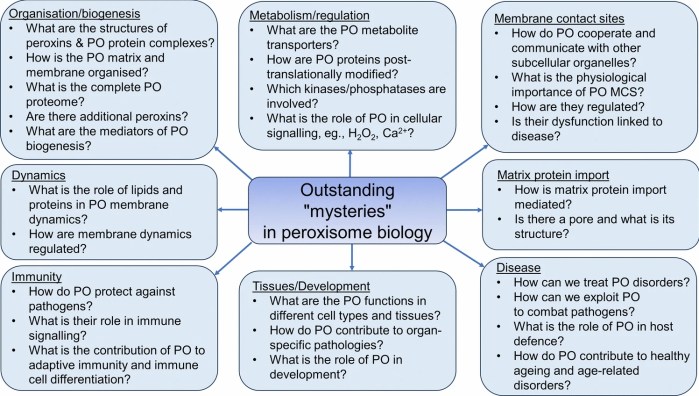
A 2024 review provided details about “mysteries” in peroxisome research:

“Peroxisomes are key metabolic organelles with essential functions in cellular lipid metabolism (e.g., β-oxidation of fatty acids and synthesis of ether phospholipids, which contribute to myelin sheath formation), and metabolism of reactive oxygen species (ROS), particularly hydrogen peroxide. Loss of peroxisomal function causes severe metabolic disorders in humans.

Additional non-metabolic roles of peroxisomes have been revealed in cellular stress responses, regulation of cellular redox balance and healthy ageing, pathogen and antiviral defence, and as cellular signalling platforms. New findings also point to a role in regulation of immune responses.

In our previous reviews, we addressed the role of peroxisomes in the brain, in neurological disorders, in development of cancer, and in antiviral defence. To avoid repetition, we refer to those articles where appropriate, and to more specialised recent reviews on peroxisome biology.

418_2023_2259_Fig5

Proper functioning of peroxisomes in metabolism requires the concerted interaction with other subcellular organelles, including the endoplasmic reticulum (ER), mitochondria, lipid droplets, lysosomes, and the cytosol. A striking example of peroxisome-ER metabolic cooperation is de novo biosynthesis of ether phospholipids.

Metabolic activities of peroxisomes, such as ɑ- and β-oxidation of fatty acids, plasmalogen synthesis, and ROS/reactive nitrogen species metabolism, have been linked to numerous immune-related pathways. Roles for peroxisomes in immune and defence mechanisms have opened a new field of peroxisome research, and highlight once more how important peroxisomes are for human health and disease.

It is still not fully understood how peroxisomal functions and abundance are regulated, what kinases/phosphatases are involved, or how peroxisomes are linked to cellular signalling pathways and how they act as signalling platforms.”

https://link.springer.com/article/10.1007/s00418-023-02259-5 “The peroxisome: an update on mysteries 3.0”


Last Friday was Day 90 of a 90-day trial of plasmalogens coincident with improving peroxisomal function via resistance exercise and time-restricted eating. A sticking point has been leg resistance exercises. Ankle issues are interfering with progress, although beach walks aren’t similarly affected. I’m almost back to an upper body exercise routine of five years ago, and I’ve added a half-dozen abs exercises.

I’ll continue taking the two Prodrome plasmalogen precursor supplements (ProdromeGlia and ProdromeNeuro) and with efforts to improve peroxisomal function. Since achieving effective resistance exercise levels is taking longer than expected, and my crystal ball is out-of-commission, I don’t have a realistic end time estimate for stopping the supplements.

Get a little stress into your life

Two reviews on beneficial effects of mild stress, starting with a 2024 paper coauthored by the lead researcher of Sulforaphane in the Goldilocks zone:

“This paper addresses how long lifespan can be extended via multiple interventions, such as dietary supplements, pharmaceutical agents, caloric restriction, intermittent fasting, exercise, and other activities. This evaluation was framed within the context of hormesis, a biphasic dose response with specific quantitative features describing the limits of biological/phenotypic plasticity for integrative biological endpoints.

Human maximum longevity has remained relatively constant in the 110–120 year time period. Yet, research with C. elegans indicates that hormetic processes increase both average (median/mean) and maximum lifespans. These observations were consistently shown by different research teams using highly diverse stressors but with generally similar experimental methods. Thus, lifespan can be increased in an overall average manner but also within the context of the maximum lifespan potential via hormetic processes, which has not been shown to occur in human population studies.

In multiple experimental and epidemiological contexts, antioxidants have prevented lifespan extension of numerous hormetic agents and blocked human health benefits (e.g., exercise), supporting the hypothesis that oxidative stress is necessary for healthspan improvements and lifespan extension.

Maximum lifespan may be prolonged by extending the lifespan of healthy subjects. Median lifespan would be enhanced by protecting those who are susceptible to genetic/environmental diseases.

Most experimental studies indicate that maximum hormetic lifespan benefits are in the 15 – 25% range when responses are optimized. Human-based benefits could be expected to be less than this maximum range. The issue of hormetic synergies is important to consider, but the available data to date indicates that these benefits are also constrained by limits of biological plasticity.”

https://www.sciencedirect.com/science/article/abs/pii/S1568163723003409 “Hormesis determines lifespan” (not freely available) Thanks to Dr. Evgenios Agathokleous for providing a copy.


A 2023 review of nematode studies was cited three times:

“While stress response pathways are important in allowing organisms to survive acute and chronic stresses, these pathways also contribute to longevity under unstressed conditions. Multiple stress response pathways are required for normal lifespan in wild-type worms, and all of the stress response pathways discussed in this review contribute to the longevity of long-lived mutants.

Four stress response pathways were consistently required for longevity:

  1. The FOXO transcription factor DAF-16-mediated stress response;
  2. The Nrf2 homolog SKN-1-mediated oxidative stress response;
  3. The cytoplasmic unfolded protein response (cyto-UPR); and
  4. The endoplasmic reticulum unfolded protein response (ER-UPR)

are required for normal lifespan, and may contribute to the extended lifespan of long-lived mutants. Developing strategies to activate these pathways, at the right time(s) and in the right tissue(s), may help to promote healthy aging and ameliorate age-onset disease.”

https://www.sciencedirect.com/science/article/pii/S1568163723001009 “Biological resilience and aging: Activation of stress response pathways contributes to lifespan extension”


PXL_20240114_184135203

Eat broccoli sprouts for your liver, Part 2

A 2023 review cited Part 1 and caught up other relevant research on sulforaphane effects through early 2023:

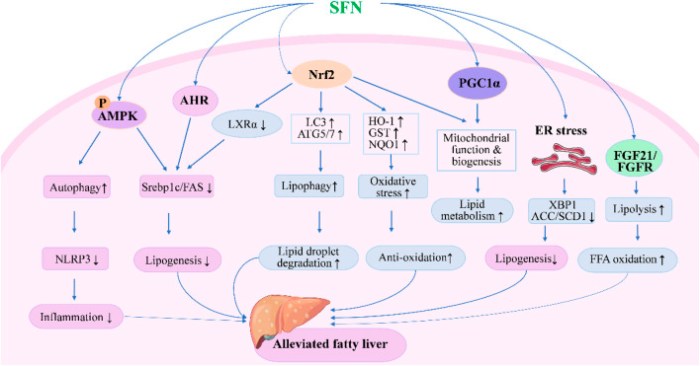
“A growing number of studies have reported that sulforaphane (SFN) could significantly ameliorate hepatic steatosis and prevent development of fatty liver, improve insulin sensitivity, attenuate oxidative damage and liver injury, induce apoptosis, and inhibit proliferation of hepatoma cells through multiple signaling pathways.

SFN inhibits lipogenesis and oxidative stress while enhancing lipid droplet degradation through modulating expression of genes involved in lipid synthesis, metabolism, and oxidation. SFN modulates autophagy, lipolysis, mitochondrial function, and ER stress to alleviate fatty liver through AMPK-, AHR-, PGC1α-, and FGF21-mediated pathways.

fphar-14-1256029-g001

There is still a gap between basic research and clinical application of SFN. More efficient delivery systems and precise dose schedules of SFN are expected to be developed in future studies, which would improve its solubility, stability, and bioavailability, and reduce inter-individual variations in humans.”

https://www.frontiersin.org/articles/10.3389/fphar.2023.1256029/full “Therapeutic potential of sulforaphane in liver diseases: a review”


These reviewers did alright gathering papers. That’s only part of what needed to be done, with the other part being reading, understanding, and interpreting these papers.

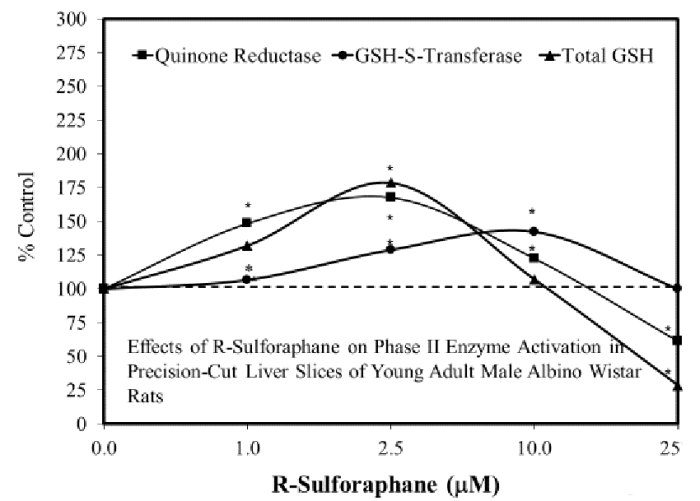
First example: Sulforaphane in the Goldilocks zone was cited [reference 12], but applicability to this review with its main point “The stimulatory zone for in vitro studies proved to be consistently in the 1-10 μM range” as in Figure 10 “Effects of R-sulforaphane on phase II enzyme activation in precision-cut liver slices of young adult male Albino Wistar rats” wasn’t understood:

figure 10

These reviewers complained:

“Few dose-response studies on SFN have been reported, and the range of its effective doses is unclear. Doses used in most animal studies have exceeded the highest dose of SFN used in humans.”

So it might have taken a little bit more effort, but these reviewers could have highlighted studies where sulforaphane liver treatments were in the 1-10 μM potentially therapeutic range.

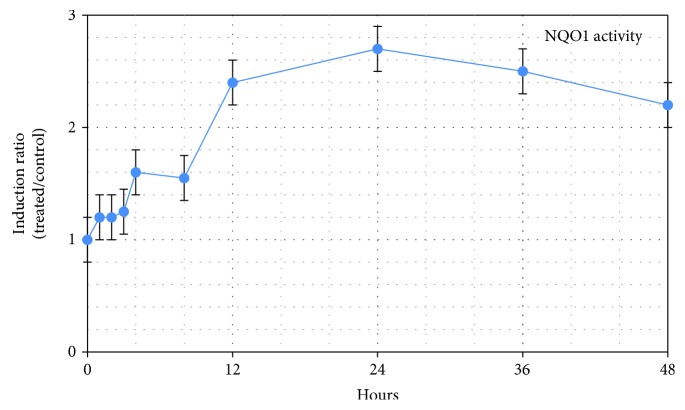
Another example: these reviewers said “The half-life of SFN is very short due to its rapid metabolism in the human body.” They missed a point that the second paper in How much sulforaphane is suitable for healthy people? [reference 46] made in section 6.4. “NQO1 Pharmacokinetics following SFN Ingestion:”

“Maximal induction of NQO1 occurred at around 24 hours, declining thereafter (Figure 8). This peak represents an approximate 2.8-fold induction over baseline.

These findings are useful when considering the effect of SFN as an intervention material in acute compared with chronic conditions. A significant increase in NQO1 occurred between 6 and 12 hours, a timeframe that may not be sufficiently responsive for management of an acute state, leaving one to conclude that NQO1 induction is best suited to chronic conditions where a rapid response may not be necessary.”

OMCL2019-2716870.008

Sulforaphane’s effects of inducing NQO1 for its cytoprotective, antioxidant, and other functions lasts for days, regardless of when sulforaphane leaves the bloodstream.

Taurine’s effects on healthspan and lifespan, Part 2

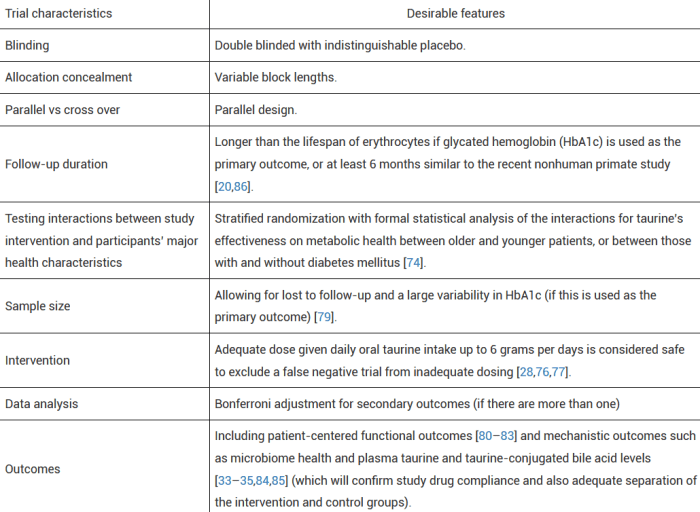
Four 2023 papers that cited Part 1, starting with a review of hypothetical parameters for taurine clinical trials that aren’t going to happen because:

  • Drug companies can’t make money from a research area that’s cheap, not patentable, and readily accessible.
  • Government sponsors are likewise not incentivized to act in the public’s interest per their recent behavior.

“We propose the rationale that an adequately powered randomized-controlled-trial (RCT) is needed to confirm whether taurine can meaningfully improve metabolic and microbiome health, and biological age.

taurine hypothetical trial

Using long-term survival as a primary outcome is desirable but difficult; any demonstrable difference in this outcome will require a substantial sample size with prolonged follow-up (e.g., 5 years or longer) if the effect size is relatively small (or modest at best). Biological age based on DNA methylation biomarkers according to the Levine PhenoAge or newer biological age models is increasingly being recognized as an important dynamic health parameter, and hence it can also be used as a surrogate outcome in assessing benefits of taurine supplementation.

The recent taurine trial on nonhuman primates used an equivalent dose that was between 3 and 6 g per day for an 80-kg person, and this could represent a reasonable dose range for any human RCTs. We believe that a 6-month or longer interventional period matching what was successfully done on nonhuman primates will be an acceptable time frame in assessing potential efficacy of taurine on human metabolic health in a RCT.”

https://www.sciopen.com/article/10.26599/1671-5411.2023.11.004 “Flattening the biological age curve by improving metabolic health: to taurine or not to taurine, that’s the question”

A six-month duration and a 6 grams per day dose were in the above table’s desirable features column, but epigenetic clock measurements weren’t included as an outcome. I’d guess that its omission reflected disagreements among coauthors, because the desirability of using epigenetic clocks as surrogate measures of human healthspan and lifespan was mentioned several times.


Another review:

“As described in the first half of this review, recent advances in omics analysis technology have led to research to detect the causative gene of dilated cardiomyopathy. It has been found that rare mutations in the taurine transporter gene contribute to the development of dilated cardiomyopathy in humans. It is unlikely that a taurine-deficient diet is a factor in dilated cardiomyopathy, but taurine intake may have positive cardiovascular effects.

The second half summarizes the relationship between taurine and healthspan and lifespan. It is difficult to summarize the effect of age in whole body taurine content, which may vary in species, strain, sex, and age of animal models. Future human studies will clarify the relationship between dietary taurine intake and healthy life expectancy.”

https://www.sciencedirect.com/science/article/pii/S1347861323000749 “Taurine deficiency associated with dilated cardiomyopathy and aging”


A human study investigated brain chemicals that fluctuate with our circadian rhythm:

“We conducted a MRS study at 7 T, where occipital NAD content, lactate, and other metabolites were assessed in two different morning and afternoon diurnal states in healthy participants. Salivary cortisol levels were determined to confirm that the experiment was done in two circadian different physiological conditions.

Although no significant differences in NAD+, NADH, and NAD+/NADH were detected between the morning and afternoon sessions, there was a significant variance difference in NAD+/NADH, with a higher variance of NAD+/NADH redox ratio in the morning.

None of the over 30 measured brain metabolites were significantly affected by the circadian rhythm (CR) except for taurine, which decreased in the afternoon. Further CR studies should consider the prospective measurement of taurine levels in different regions of the human brain, and explore how taurine supplements could impact brain CR metabolism in health and diseases.”

https://www.frontiersin.org/articles/10.3389/fphys.2023.1285776/full “Effect of circadian rhythm on NAD and other metabolites in human brain”

I omitted findings regarding this study’s pathetic Balloon Analogue Risk Task (BART) test. Older studies that drew spurious findings from this video game include:


A rodent study modeled human childhood cataracts:

“Our analysis identified targets that are required for early normal differentiation steps and altered in cataractous lenses, particularly metabolic pathways involving glutathione and amino acids. Glutathione and taurine were spatially altered, and both taurine and the ratio of reduced glutathione to oxidized glutathione, two indicators of redox status, were differentially compromised in lens biology.

1-s2.0-S2213231723002707-ga1_lrg

Dietary amino acid supplementation has been shown to prevent cataract development, and dietary intake of taurine was protective in a glutathione depletion-derived opacity model. This opens up the possibility that dietary supplementation of taurine could be used as a strategy to prevent human congenital cataracts.

Our findings shed light on molecular mechanisms associated with congenital cataracts, and point out that unbalanced redox status due to reduced levels of taurine and glutathione, metabolites already linked to age-related cataracts, could be a major underlying mechanism behind lens opacities that appear early in life.”

https://www.sciencedirect.com/science/article/pii/S2213231723002707 “Unbalanced redox status network as an early pathological event in congenital cataracts”


PXL_20240103_191340418

The TMAO meme

A common dilemma for researchers is how to follow the herd enough to get a paper published, while simultaneously presenting replicable evidence of tested hypotheses. But unlike study researchers, reviewers are free to:

  • Express their beliefs as facts;
  • Over/under emphasize study limitations; and
  • Disregard and misrepresent evidence as they see fit.

Reviewers also aren’t obligated to make post-publication corrections for their errors and distortions.

Here’s one of a dozen 2023 papers I read this week on TMAO. I picked this review because they attempted to come clean at the end of several sections.

I rated it as Wasted resources rather than Detracted from science as there might be a slight sniff of facts underneath the stench. Facts do not include “is associated with” or “is correlated with.”

The meme (repeated many times):

“Overall diet, lifestyle choices, genetic predisposition, and other underlying health conditions may contribute to higher trimethylamine N-oxide (TMAO) levels and increased cardiovascular risk. This review explores the potential therapeutic ability of resveratrol (RSV) to protect against cardiovascular diseases (CVD) and affect TMAO levels.”

Sections starting with premises that contained contradictions included:

2.2. TMAO and cardiovascular disease

Higher TMAO levels raise the risk of adverse cardiovascular events.

Overall, eating fish with high TMAO levels has relatively few adverse effects on CVD.

2.2.1 Relationship between TMAO and atherogenesis

Collectively, these findings provide a possible link between gut bacteria, platelet activation, and the risk of thrombosis.

More research is required to show the function of TMAO in the formation of CVD.

3. Application potential of phytochemicals such as polyphenols, RSV and its modified derivatives in regulating CVD

TMAO is a unique and independent risk factor for developing AS, partly through suppression of hepatic bile acid production.

Eating plants in general affects TMAO levels.

3.1. TMAO-lowering phytochemicals

Since the discovery of TMAO as a pro-atherogenic metabolite is relatively recent, only relatively small numbers of polyphenol-rich extracts and single phenolic compounds have been investigated as TMA/TMAO lowering agents.

Cardioprotective function of phytochemicals may arise from a combination of different mechanisms.

And so on.

https://febs.onlinelibrary.wiley.com/doi/10.1002/2211-5463.13762 “Cardiovascular risk of dietary trimethylamine oxide precursors and the therapeutic potential of resveratrol and its derivatives”


How many people would be healthy after they stopped eating fish, meat, and foods that had choline, carnitine, betaine, or ergothioneine? There are no clinical trials that omit all of these “TMAO precursors” from human diets because people would die.

Propagating the TMAO meme is dumb. It isn’t politically driven AFAIK, though, so doesn’t drop to the sub-basement evidence levels of politically correct memes.

2016 meme