Plasmalogens Week #8 – Experience

Wrapping up Plasmalogens Week with a summary of my plasmalogen-related experiences over the past two years since Plasmalogens, Part 3 in November 2023.

I took detailed plasmalogen measurements on July 24, 2025, with Dr. Goodenowe’s BioScan product. I’d guess that the populations against which BioScan personal Z-scores are derived are from Dr. Goodenowe’s research during this century, many frozen samples of which he’s kept. If so, I’d guess that these populations’ data probably don’t have bell-shaped curves, and that their data’s means and standard deviations may be skewed as they’re representing people who were diseased and/or old.

Here’s my peroxisomal function panel:

I wasn’t taking ProdromeNeuro or ProdromeGlia at the BioScan blood draw time. ProdromeNeuro and ProdromeGlia supplements contain plasmalogen precursors that bypass peroxisome organelles’ normal plasmalogen synthesis functions. I haven’t reordered these supplements in 2025, but took them until my supplies ran out in January 2025. Don’t know to what extent their effects may have continued for six months.

Every day for months before the BioScan, I took a fish oil capsule with 690 mg EPA and 310 mg DHA, and a flax seed oil capsule (700 mg alpha linolenic acid omega-3, 154 mg linoleic acid omega-6, and 168 mg oleic acid omega-9). I also ate 3 eggs a day.

These practices influenced the above peroxisomal function results. My Z-scores of DHA and EPA ethanolamine plasmalogens (DHA +1.3, EPA +1.7) are more than one standard deviation above their respective population means.

The next step of plasmalogen synthesis after peroxisomes takes place in endoplasmic reticulum organelles. Among other papers describing these steps in the ER link’s results, Improving peroxisomal function states:

“Proper functioning of peroxisomes in metabolism requires the concerted interaction with other subcellular organelles, including the endoplasmic reticulum (ER), mitochondria, lipid droplets, lysosomes, and the cytosol. A striking example of peroxisome-ER metabolic cooperation is de novo biosynthesis of ether phospholipids.”

ER stress involves the unfolded protein response, a protein homeostasis-maintaining system that monitors ER conditions by sensing inadequacy in ER protein folding capacity. ER stress is a very common occurrence for humans, in part because ER protein folding has an over 80% failure rate per Every hand’s a winner, and every hand’s a loser.

I haven’t read papers about ER stress directly influencing plasmalogen abundance. But I’ve curated papers, including several during this Plasmalogens Week, that demonstrate how oxidative stress reduces plasmalogens.

Here’s my BioScan inflammation / oxidative stress panel:

I don’t have a history of these measurements except for hsCRP, which has been below 1 for over five years since I started eating broccoli sprouts every day, along with taking taurine and betaine. That oxidative stress interventions may influence ER stress has been curated in papers such as Eat broccoli sprouts for stress, Part 2 of Eat broccoli sprouts for your eyes, Taurine week #7: Brain, Betaine and diabetes, and All about the betaine, Part 2.

Back to my peroxisomal function panel: I don’t consider my negative Z-scores (below the population mean) of Total PEs and Total PCs to be actionable. Both of them produced positive Z-scores (above the population mean) of their respective total plasmalogens (Total PLEs +1.3, Total PLCs +0.5). I view Total PEs and Total PCs as pools of raw materials for plasmalogen synthesis that are used when needed.

My July 2025 BioScan shows that my current practices provide adequate plasmalogens as compared with unknown populations. It indicates that to produce adequate plasmalogens, I don’t need ProdromeNeuro and ProdromeGlia plasmalogen precursor supplements that bypass normal peroxisomal function plasmalogen synthesis.

This year’s BioScan was a one-time event. I don’t agree with advocates for constantly tweaking health parameters, or obtaining frequent test results for ‘youthful’ targets, or competing with or conforming to other people’s measurements, or unfounded longevity beliefs. It’s every human’s choice whether or not we take responsibility for our own one precious life. Being overly obsessed about one’s health can be among the many symptoms of what’s ruining a person’s life.

I might use a future version of BioScan along with ProdromeNeuro and ProdromeGlia plasmalogen precursor supplements if I had to recover from an accident or some other health emergency that creates a substantial demand for plasmalogens’ antioxidant activities. But I’d first return to past practices I’ve found to be successful in combating oxidative stress, like increasing the frequency of Nrf2 activation by eating broccoli sprouts twice a day rather than once daily.


Plasmalogens Week #7 – Genes

Continuing Plasmalogens Week with three 2025 papers, starting with a rodent study of genetically deleting a plasmalogen catabolizing enzyme:

“In this study, we investigated the impact of global and tissue-specific loss-of-function of a plasmalogen catabolizing enzyme, lysoplasmalogenase (TMEM86B), on circulatory and tissue lipidomes. Mice with homozygous global inactivation of Tmem86b (Tmem86b KO mice) were viable and did not display any marked phenotypic abnormalities.

Tmem86b KO mice demonstrated significantly elevated levels of plasmalogens alkenyl phosphatidylethanolamine (PE(P)) and alkenyl phosphatidylcholine (PC(P)), as well as lysoplasmalogens, in the plasma, liver, and natural killer cells compared to their wild-type counterparts. The endogenous alkenyl chain composition of plasmalogens remained unaltered in Tmem86b KO mice. Consistent with the global knockout findings, hepatocyte-specific Tmem86b knockout mice also exhibited increased plasmalogen levels in the plasma and liver compared to their floxed control counterparts.

Plasmalogens may be synthesized locally within various tissues, with each organ possessing the necessary enzymatic machinery to regulate its own plasmalogen levels. Plasmalogens are important structural constituents of the biological membranes of animals and certain anaerobic bacteria, and have several well-described functions, including regulating membrane dynamics and vesicular cholesterol transport and homeostasis.

  • One of the most interesting features of plasmalogens is their endogenous antioxidant activity, which is mostly due to the vinyl ether bond, which can scavenge reactive oxygen species and thereby protect other biomolecules from oxidative damage.
  • They increase the gene expression of multiple antioxidant enzymes to protect against chemically induced cytotoxicity and lipid peroxidation in cultured hepatocytes.
  • Plasmalogen derivatives such as polyunsaturated fatty acids (AA or DHA) and lysoplasmalogens can act as lipid mediators for multiple cellular signaling activities.
  • Plasmalogens are important for phagocytosis of macrophages, lipid droplet formation, and development and function of neuromuscular junctions.
  • They play vital roles in mediating immune responses, and mitochondrial fission to regulate adipose tissue thermogenesis, and protecting neuronal cells against cell death and inflammation.

All of these are suggestive of a critical role played by plasmalogens in maintaining cellular homeostasis.

While plasmalogen anabolism is well defined, its catabolism has been less studied. During catabolism, plasmalogens are deacylated by the action of a calcium-independent phospholipase A2 enzyme (iPLA2) to produce lysoplasmalogens. However, cytochrome C has also been shown to act as a plasmalogenase under certain circumstances.

The amount of lysoplasmalogens in cells is tightly regulated either by reacylation into plasmalogens through a coenzyme A-independent transacylase, or by degradation into fatty aldehydes and glycerophospholipids by an alkenyl ether hydrolase commonly known as lysoplasmalogenase. Lysoplasmalogenase is a microsomal transmembrane enzyme highly specific for lysoplasmalogens, and has no activity against plasmalogens.

While research on the distinct biological functions of lysoplasmalogens and plasmalogens is lacking, some reports indicate potential toxic effects of lysoplasmalogens. Degradation products of lysoplasmalogens, such as fatty aldehydes, are highly reactive electrophilic compounds that can form toxic adducts with cellular proteins and lipids. These interactions can lead to cellular dysfunction and contribute to various pathological conditions. Their accumulation in ischemic/reperfused tissues has been associated with cellular damage.

However, we observed that the amount of lysoplasmalogens as a proportion of total plasmalogens in the liver of Tmem86b KO mice was only ∼3.5%, indicating that elevated lysoplasmalogens are rapidly converted into plasmalogens within the liver. In adipose tissue-specific Tmem86a KO mice, which also exhibited higher lysoplasmalogens, no toxic effects were observed. Instead, these mice showed elevated mitochondrial oxidative metabolism and energy expenditure, offering protection from high-fat diet-induced metabolic dysfunction. These findings suggest that any potential toxic effects of lysoplasmalogens are largely mitigated by their rapid reacylation into plasmalogens.

This study enhances our understanding of regulatory mechanisms governing plasmalogen metabolism, and highlights the potential of targeting Tmem86b to therapeutically raise plasmalogen levels.”

https://www.jlr.org/article/S0022-2275(25)00068-9/fulltext “Modulation of endogenous plasmalogens by genetic ablation of lysoplasmalogenase (Tmem86b) in mice”


An independent researcher published a commentary on the above study:

“While the biosynthesis of this particular lipid subclass, starting in the peroxisomes and ending at the endoplasmic reticulum, has been the subject of extensive research, the degradation pathway of these compounds remains to be further elucidated. Plasmalogen breakdown is a complex process involving enzymatic hydrolysis, oxidative cleavage, and possibly also a recycling mechanism.

A fundamental unresolved question in the field of plasmalogen catabolism is which of the two possible reaction routes is actually the more important one. Either 1) directly via plasmalogenase or 2) via a deacylation step by a plasmalogen-specific phospholipase A2 (cPLA2, PLA2G4A), yielding a lysoplasmalogen as the first degradation product, and subsequent hydrolysis of the ether bond by a lysoplasmalogenase such as TMEM86A and TMEM86B. It is also unclear how these pathways interact or compensate for each other, how they are regulated, and whether they are tissue- or cell type–specific.

To make the story even more complex, a CoA-independent transacylase activity was described that reacylates lysoplasmalogen intermediates back to plasmalogens by transferring polyunsaturated fatty acids to the vacant sn-2 position of ether lysophospholipids. But no gene for this enzyme has so far been identified.

Why is plasmalogen breakdown so important? Disturbances in plasmalogen metabolism are associated with several human disorders. Neurodegenerative diseases such as Alzheimer’s disease, Parkinson’s disease, and multiple sclerosis have been shown to be associated with reduced levels of plasmalogens.

Unfortunately, it is still too early to draw conclusions about the individual roles of TMEM86A and TMEM86B, as their cellular localisation and function are not sufficiently studied, and reliable antibodies for these proteins are not yet available. Localization of the two TMEM86 homologs overlaps to some extent, as shown, for example, by their gene expression in small intestine. However, whether one isoform is able to compensate for a deficiency in the other is uncertain, and was not found in small intestine of Tmem86b knockout mice [in the above study].

In contrast to the two proteins TMEM86A and TMEM86B, cytochrome c is much better studied. It is associated with the inner mitochondrial membrane, and can be released into the cytosol during apoptosis. It has a wide tissue distribution with most abundant gene expression levels in the digestive tract and heart.

https://www.jlr.org/article/S0022-2275(25)00074-4/fulltext “Plasmalogen. Quo vadis?”

The statement “no gene for this enzyme has so far been identified” revealed a paradigm. But maybe what’s being observed evolved before genes?

One example of this principle is from the 1966 https://www.science.org/doi/10.1126/science.152.3720.363 “Evolution of the Structure of Ferredoxin Based on Living Relics of Primitive Amino Acid Sequences” which provided evidence pointing to heme protein evolution beginning before gene evolution. Its abstract included this statement:

“We explain the persistence of living relics of this primordial structure by invoking a conservative principle in evolutionary biochemistry: The processes of natural selection severely inhibit any change in a well-adapted system on which several other essential components depend.”

Maybe the process of reassembling plasmalogen breakdown products back into plasmalogens without involving a specific gene likewise became essential?


A role of plasmalogens in diabetic kidney disease was found in a third study that investigated a genetic rodent model of diabetes:

“Diabetic nephropathy (DN) represents a frequent cardiovascular complication of diabetes, affecting about 20–50% of individuals with the disease. Globally, it constitutes a primary etiology for end-stage kidney disease (ESKD) and chronic kidney disease (CKD), while also serving as a significant independent risk factor for cardiovascular morbidity and mortality.

Although intensive management strategies targeting blood pressure and glucose levels demonstrably attenuate the risk of DN development, they do not confer complete protection. This residual risk strongly implicates pathogenic factors beyond impaired glucose metabolism and hemodynamic alterations in DN pathogenesis.

In the present study, we employed the db/db mice as the DN model. When compared to other diabetes models, such as those induced by streptozotocin (STZ) or high-fat diet combined with STZ, the db/db model more accurately recapitulates the pathological features of human type 2 diabetes mellitus (T2DM). It also possesses a stable genetic background, making it particularly well-suited for the investigation of diabetes complications.

Transcriptomics revealed extensive dysregulation of metabolic and lipid regulatory pathways in db/db. Lipidomics uncovered pronounced abnormalities in cardiolipin species composition and plasmalogen profiles. Transcriptome-lipidome integration demonstrated impaired phosphatidylcholine (PC) biosynthesis, mechanistically linked to dysregulation of choline phosphotransferase 1 (chpt1), which correlated significantly with compromised tissue regeneration capacity.

Volcano plot analysis delineated specific lipid alterations, particularly in plasmalogen species in plasmalogen lipids. Plasmenylcholines (plas-PC) and plasmenylethanolamine (plas-PE) containing n-3 polyunsaturated fatty acids (PUFAs) were significantly decreased in the kidneys of db/db mice. Conversely, plas-PCs and plas-PEs esterified with n-6 PUFAs showed substantial accumulation in diabetic kidneys.

In conclusion, the highly sensitive and extensively targeted UHPLC-MS/MS methodology enabled a more in-depth characterization of renal metabolic and lipid perturbations in db/db mice. These alterations principally reflect the sustained inflammatory milieu and compromised antioxidant defenses characteristic of DN renal tissues.”

https://www.csbj.org/article/S2001-0370(25)00301-0/fulltext “Multi-omics characterization of diabetic nephropathy in the db/db mouse model of type 2 diabetes”

Plasmalogens Week #6 – Health and Diseases, Part 2

Continuing Part 1 with three 2025 papers, starting with a rodent study of dietary mussel plasmalogens’ effects on atherosclerosis:

“The purpose of this study was to clarify the underlying mechanisms of Mytilus edulis-derived plasmalogens (Pls) against atherosclerosis (AS) in ApoE−/− mice induced by a high-fat diet (HFD), through a comprehensive analysis of hepatic metabolomics and aortic transcriptomics data. Besides Pls role as the storage pool of n-3 PUFAs, the structural feature of vinyl ether bond at sn-1 position confers multiple advantages upon Pls compared to their diacyl counterparts, including enhanced antioxidant capacity, increased membrane fluidity, as well as improved stability and stability of biomembranes.

The C57BL/6 mouse strain is susceptible to high-fat diet (HFD)-induced AS lesions, and ApoE knockout accelerates AS development. Molecular mechanisms by which Pls ameliorate AS were investigated through a comprehensive analysis of hepatic metabolomics and aortic transcriptome profiles, focusing on changes in gene related to the p38 mitogen-activated protein kinase (MAPK) signaling pathway and the downstream inflammatory response.

The concentration of Pls in mussel tissues is 32 μgmg−1 (dry weight), and the obtained Pls contains 49.53% of phosphatidylethanolamine-Pls, 35.87% of phosphatidylcholine-Pls, and 14.60% of phosphatidylserine-Pls. The main fatty acid compositions of Pls are presented in Supplementary Table 1, which indicates that EPA accounts for 45.82% and the n-3/n-6 ratio is 3.84.

Pls inhibited aortic lipid accumulation, prevented thickening of the aortic wall, and suppressed collagen accumulation at the aortic-heart junction. Pls inhibited HFD-induced loosening of hepatocyte arrangement, vacuolization, and accumulation of lipid droplets.

Although several key components of MAPK signaling pathway were suppressed at both the transcriptional and protein levels in Pls-treated mice, no significant changes in phosphorylated p38 protein were observed among the experimental groups in our study. Further research is needed to elucidate the overall inhibitory mechanism of Pls on p38 protein and the MAPK signaling pathway.”

https://www.nature.com/articles/s41538-025-00546-0 “Effects of Mytilus edulis derived plasmalogens against atherosclerosis via lipid metabolism and MAPK signaling pathway”


A rodent / human cell study investigated effects of plasmalogens in innate immune system macrophages on atherosclerosis:

“We demonstrate that simultaneous inactivation of two key enzymes involved in macrophage polyunsaturated fatty acid (PUFA) metabolism—ELOVL5, which elongates long-chain PUFAs, and LPCAT3, which incorporates them into phospholipids—disrupts membrane organization by promoting the formation of cholesterol-enriched domains. This increases macrophage sensitivity to cytotoxic oxysterols and leads to more vulnerable atherosclerotic plaques with enlarged necrotic cores in a mouse model of atherosclerosis.

We identified ELOVL5 as one elongase facilitating the conversion of C20 to C22 PUFA. In humans, analysis of 187 carotid plaques reveals a positive correlation between LPCAT3/ELOVL5-generated phospholipids—including arachidonate (C20:4 n-6)-containing ether lipids—and more stable plaque profiles. Additionally, Mendelian randomization analysis supports a causal relationship between LPCAT3 expression and reduced risk of ischemic stroke.

Potentially beneficial effects we observed in mice and in human atheroma plaques were mainly associated with PLs enriched in omega-6, particularly in AA. Although omega-6 FAs are often considered as pro-inflammatory, their role is undergoing reconsideration, with markers linked to the intake of omega-6 appearing beneficial in the context of cardiovascular diseases. In this context, it is worth to note that AA-containing plasmalogens have been previously identified as markers of healthy obesity.

Our findings uncover a regulatory circuit essential for PUFA-containing phospholipid generation in macrophages, positioning PUFA-containing ether lipids as promising biomarkers and therapeutic targets.”

https://www.sciencedirect.com/science/article/pii/S2666379125002046 “Plasmalogen remodeling modulates macrophage response to cytotoxic oxysterols and atherosclerotic plaque”


A human study included plasmalogens in investigating associations among people with mental illness and their lipid profiles:

“Plasma lipidomic profiles of 623 individuals (188 schizophrenia (SCZ), 243 bipolar disorder (BD), 192 healthy controls) belonging to the PsyCourse Study were assessed using liquid chromatography and untargeted mass spectrometry. Exact etiology of these major mental health disorders is yet unknown and while their symptoms overlap, their diagnostic criteria are based on clinical evaluations of symptoms without objective markers.

Cognitive dysfunction is among the most disabling symptoms of SCZ and BD, and is difficult to treat with the commonly used pharmacologic regimes. Consequently, it has important impacts on long-term functional outcomes.

We aimed to answer the question, whether specific lipid species or classes were associated with differential performance across various cognitive domains, including psychomotor and processing speed, executive function, short-term and working memory and crystalized intelligence and whether these associations were affected by diagnoses.

Lipids belonging to the phosphatidylethanolamine plasmalogen (PE-P) class emerged as the main lipid class associated negatively with DG-SYM test performance, representative of processing and psychomotor speed. Our findings showed that higher levels of PE-P 42:5, PE-P 40:4, PE-P 40:5, and ceramide 38:1 in plasma samples of our study are significantly associated with poorer DG-SYM test performance. The DG-SYM test mainly measures processing speed, the amount of time required to complete a series of cognitive tasks. Enrichment analysis also showed significant associations between other lipid classes and various cognitive tests.

Our findings suggest a link between lipids and cognitive performance independent of mental health disorders. Independent replication is warranted to better understand if phosphatidylethanolamines could represent an actionable pharmacologic target to tackle cognitive dysfunction, an important unmet clinical need that affects long-term functional outcomes in individuals with severe mental health disorders.”

https://www.nature.com/articles/s41398-025-03323-5 “Investigating the association of the plasma lipidomic profile with cognitive performance and genetic risk in the PsyCourse study”

It was apparently beyond these researchers’ expertise to offer informed discussion on this study’s associative link between enrichment of these three phosphatidyl ethanolamine plasmalogens and cognitive dysfunction. Grok countered that their depletion was associated with neurodegenerative diseases (Alzheimer’s, Parkinson’s, multiple sclerosis), cardiovascular risk / oxidized-LDL burden, and chronic fatigue / post-viral syndromes.

Plasmalogens Week #5 – Health and Diseases, Part 1

Continuing Plasmalogens Week with three 2025 papers, starting with a human study that included plasmalogen biomarkers of non-communicable disease fatigue symptoms:

“This study explored the biological mechanisms underlying fatigue in patients with NCDs using a multi-omics approach. Our findings indicate that distinct metabolic pathways, salivary microbiota, and genetic factors may contribute to different dimensions of fatigue, including general, physical, and mental fatigue.

  • General fatigue is associated with unsaturated fatty acid biosynthesis, indicating its role in lipid metabolism.
  • Physical fatigue was associated with plasmalogen synthesis, mitochondrial beta-oxidation of long-chain fatty acids, and selenoamino acid metabolism, suggesting a potential contribution of impaired energy production.
  • Mental fatigue is associated with homocysteine degradation and catecholamine biosynthesis, which may influence cognitive fatigue.

This exploratory study suggests that fatigue in patients with NCDs may involve disruptions in lipid metabolism, neurotransmitter pathways, microbial composition, and genetic variations. Blood-based biomarkers showed better predictive potential for physical fatigue, whereas salivary-based models were more indicative of mental fatigue.

Although our findings support the role of lipid metabolism, the contribution of plasmalogen synthesis remains underexplored. Further studies are needed to validate these findings and understand their mechanisms of action.”

https://link.springer.com/article/10.1186/s12911-025-03034-3 “Visualizing fatigue mechanisms in non-communicable diseases: an integrative approach with multi-omics and machine learning”


A human study of metabolic dysfunction-associated steatotic liver disease (MASLD) included investigating plasmalogens:

“In this study, we applied untargeted metabolomic profiling to serum samples from individuals with and without MASLD, classified by the Fatty Liver Index, with the goal of identifying characteristic metabolic signatures and pathways that may underlie disease presence and progression. Individuals in the MASLD group displayed significantly higher levels of ALT, AST, ALP, and GGT, reflecting ongoing hepatic injury, cholestasis, and oxidative stress. However, albumin and bilirubin levels remained within normal limits, indicating early to intermediate disease stages rather than advanced fibrosis or cirrhosis.

A consistent and highly significant lipidomic pattern in the MASLD group is the depletion of plasmalogens and sphingomyelins. Depletion of these lipid classes was identified as a hallmark of insulin resistance as defined by the triglyceride-glucose index. In contrast, phosphatidylcholine, phosphatidylethanolamine, and phosphatidylinositol species were elevated in MASLD, pointing toward broader lipid remodeling events.

Reduced plasmalogen and sphingomyelin levels positions their depletion as a core feature of metabolic dysfunction. Plasmalogens are ether phospholipids with strong antioxidant capacity, and their reduction suggests a loss of protective buffering against oxidative stress, one of the main drivers of MASLD progression. Similarly, sphingomyelin depletion implicates altered membrane dynamics and signaling disturbances, further contributing to metabolic dysfunction.

Depletion of plasmalogens 1-(1-enyl-palmitoyl)-2-oleoyl-GPC (P-16:0/18:1), 1-(1-enyl-palmitoyl)-2-linoleoyl-GPC (P-16:0/18:2), 1-(1-enyl-palmitoyl)-2-palmitoyl-GPC (P-16:0/16:0), 1-(1-enyl-palmitoyl)-2-palmitoleoyl-GPC (P-16:0/16:1), 1-(1-enyl-palmitoyl)-2-oleoyl-GPE (P-16:0/18:1), 1-(1-enyl-palmitoyl)-2-linoleoyl-GPE (P-16:0/18:2), and disruption of the glutamate–gamma-glutamyl pathway stand out as central features of metabolic dysfunction in MASLD, with clear potential to inform biomarker discovery, disease classification, and the design of targeted therapeutic strategies.”

https://www.mdpi.com/2218-1989/15/11/687 “Metabolomic Signatures of MASLD Identified by the Fatty Liver Index Reveal Gamma-Glutamyl Cycle Disruption and Lipid Remodeling”


A rodent study investigated dietary sea squirt (AM) plasmalogen ethanolamine (PlsEtn) extract’s and dietary pig liver (PL) phosphatidyl ethanolamine (PtdEtn) extract’s effects on acetaminophen liver injury:

“We investigated dietary effects of PlsEtn from ascidian on chronic hepatic injury in acetaminophen (APAP)-treated mice. Five-week-old male mice were divided into four groups (n = 12), which were treated with experimental diets for two weeks and then the respective APAP-containing diet for five weeks.

Ingested PlsEtn is digested into lysoPlsEtn and free fatty acid in the small intestine. PlsEtn digests are absorbed and are subsequently resynthesized into PlsEtn preferentially with PUFA.

Acetaminophen is a frequently used analgesic and antipyretic. Approximately 90% of APAP is metabolized by UDP-glucuronosyltransferase and sulfotransferase into glucuronic acid and sulfate conjugates, respectively.

5–9% of APAP is metabolized into the highly reactive intermediate N-acetyl-p-benzoquinone imine (NAPQI). This metabolite is considered a pivotal molecule in APAP-induced hepatotoxicity and is conjugated by glutathione (GSH). Excessive NAPQI levels deplete GSH and covalently bind to cellular proteins, resulting in organelle dysfunction, such as mitochondria dysfunction. These impairments induce oxidative stress, cell malfunctions, and subsequently, cell death, such as ferroptosis and apoptosis.

Mice were treated with continuous APAP consumption to induce oxidative stress and impaired lipid metabolism in the liver. Effects of diets were evaluated based on levels of malondialdehyde (MDA), a marker of lipid oxidation, on fatty acid content, and on expression of apoptosis-related proteins in the liver.

The PlsEtn-rich diet effectively suppressed APAP-induced decrease in body and liver weights of mice. However, this suppressive effect was not observed in mice fed a PtdEtn-rich diet. APAP administration decreased the total fatty acid content in the liver, whereas a PlsEtn-rich diet alleviated this decrease and increased the hepatic content of docosahexaenoic acid (DHA).

Owing to the alkenyl linkage, which exhibits antioxidant properties, PlsEtn was expected to markedly suppress hepatic lipid oxidation. However, its suppressive effect was the same extent as that by PtdEtn. Both PlsEtn and PtdEtn contain an ethanolamine base in their structures, and free ethanolamine and its metabolite choline suppress lipid peroxidation. Dietary PlsEtn and PtdEtn may be metabolized into free ethanolamine and its further metabolites, which may alleviate APAP-induced hepatic lipid oxidation.

Dietary ethanolamine glycerophospholipids (EtnGpls) rich in PlsEtn or PtdEtn suppressed APAP-induced lipid oxidation in the liver. Protein expression results revealed that dietary EtnGpls reduced expression of certain apoptosis-related proteins compared to the APAP group. This reduction was more effective in mice fed the PlsEtn-rich diet than in those on the PtdEtn-rich diet.”

https://www.mdpi.com/2076-3417/15/11/5968 “Dietary Ethanolamine Plasmalogen from Ascidian Alleviates Chronic Hepatic Injury in Mice Treated with Continuous Acetaminophen”

This study neither demonstrated nor provided citations for its dietary plasmalogen recycling statements.


Three more plasmalogen health and disease papers are curated in Part 2.

Plasmalogens Week #4 – Nutrition

Continuing Plasmalogens Week with two 2025 papers, starting with a simulated in vitro model of how humans digest mussel plasmalogens:

“Plasmalogens (Pls) have promising therapeutic potential in the treatment of neurological disorders, but their distribution, compositional intricacies, and structural alterations during the digestive process are unclear. This study aimed to address this gap by isolating Pls-enriched fractions from mussel (Mytilus edulis) and simulating their digestion in vitro across the mouth, stomach, and intestine phases.

Comparison between Pls and normal phospholipids, sharing identical fatty acyl compositions, illuminated a heightened susceptibility of Pls to catabolism during stomach digestion, which is mainly attributed to the hydrolysis reaction of Pls sensitive to acidic conditions. Phospholipid digestion commenced during the gastric phase and continued with notable catabolism in the intestinal phase, resulting in the release of substantial amounts of free fatty acids (FFAs) and lysophospholipids (LPs), which subsequently formed lipid droplets of larger sizes. Larger droplets delay intestinal absorption, extending the window period for Pls hydrolysis by pancreatic lipase.

The digestive behaviour of Pls with different polar head groups indicated that pancreatic lipase appears to digest phosphatidylethanolamine plasmalogen (PlsPE) to a greater extent than phosphatidylcholine plasmalogen (PlsPC). 41 PlsPE and 14 PlsPC were observed, suggesting that Pls may be more readily digested in the gastrointestinal tract compared to conventional phospholipids.

Generally, lipids are first absorbed by intestinal epithelial cells and undergo lipid remodeling before being transported into lymphatic fluid and then entering the bloodstream. During lipid absorption, PE can be partially converted into PC for lipid remodeling. Since in vitro digestion models cannot fully simulate the intestinal microenvironment (such as microbial metabolism and intestinal epithelial absorption), animal experiments are required to verify the actual bioavailability of PlsPE and PlsPC.”

https://www.sciencedirect.com/science/article/pii/S2666154325006799 “Characterization of plasmalogen properties and metabolic behavior during the simulated multi-stage digestion of Mytilus edulis phospholipids based on untargeted lipidomics”


A review highlighted nutritional implications of changes in plasmalogen chemistry:

“Plasmalogens vary quantitatively in biological systems due to biosynthesis, degradation, remodeling, and certain external stressors. Not only concentrations, but also the composition of molecular species within the plasmalogen pool changes. These shifts often involve the shortening of sn-2 fatty acyl chains, the loss of PUFAs such as DHA and EPA, and the accumulation of oxidized, truncated, or degraded species, as a result of radical-mediated oxidation and/or enzymatic degradation.

The possible increase in lysophospholipids (typically LPE and LPC, corresponding to PlsEtn and PlsCho, respectively) may be attributed to the loss of intact plasmalogens during degradation, especially in the sn-1 position. Lysoplasmalogens can be re-acylated to regenerate the original plasmalogens or create new plasmalogen species with different sn-2 fatty acyl compositions.

These molecular-level transitions highlight the complexity of plasmalogen dynamics and emphasize the need for quantitative, species-specific analysis. Variations are influenced by physiological conditions, pathological states, and nutritional supplementation.

Plasmalogens are primarily those derived from animal products, such as fish, meat, and dairy products, as well as certain marine foods. Microorganism-derived plasmalogens are attracting researchers’ attention, representing a new way of effectively utilizing bacterial resources as a ‘food’ source. Compounds provided can be plasmalogens (either PlsCho and PlsEtn, extracted from natural sources or synthesized) or plasmalogen precursors (e.g., alkylglycerols).”

https://www.mdpi.com/2072-6643/17/22/3497 “The Changes in Plasmalogens: Chemical Diversity and Nutritional Implications—A Narrative Review”

A challenge researchers haven’t satisfactorily addressed yet is the question of whether beneficial oral intake of plasmalogens can be mechanistically attributed to specific plasmalogen breakdown products or to intact plasmalogens. This review introduced two other mechanistic uncertainties in that 1) absorbed and digested breakdown products can be recycled back into plasmalogens, and 2) gut microbiota can also produce plasmalogens. I’ve read papers that speculated but didn’t demonstrate that either of these factors contributed to their results.

This review cited Dr. Goodenowe’s plasmalogen precursor clinical trial mentioned in Plasmalogens Parts 1, 2, and 3. The first paper above, and most of the papers in Plasmalogen Week cited his other research.


Plasmalogens Week #3 – Aging

Continuing Plasmalogens Week with two 2025 papers, starting with a rodent study of plasmalogens’ effects on mitigating cognitive decline:

“We evaluated beneficial effects of plasmalogens (PLS), phosphatidylcholine (PC), and phosphatidylserine (PS) on age-associated cognitive decline. We established a mouse model of aging-associated cognitive impairment using the subcutaneous injection of d-galactose (D-gal) at a dosage of 400 mg/kg/day.

We randomly divided six-week-old female mice into nine groups: control, model, high-dose PLS (0.3 mg/kg/day), low-dose PLS (0.09 mg/kg/day), high-dose PC (200 mg/kg/day), low-dose PC (50 mg/kg/day), high-dose PS (200 mg/kg/day), low-dose PS (50 mg/kg/day), AMC-Plas (120 mg/kg/day; and functional component PLS (0.252 mg/kg/day).

We administered PLS, PC, and PS separately by oral gavage once daily. We extracted PLS from scallops according to the literature. AMC-Plas is a commercially available health supplement known for its neuroprotective properties and memory-enhancing effects. In this study, we included AMC-Plas as a positive control group to evaluate the effects of different phospholipids.

Synaptophysin (SYP), synapsin-1 (SYN-1), postsynaptic density protein 95 (PSD-95), and brain-derived neurotrophic factor (BDNF) play important roles in synapse formation and synaptic plasticity. Synaptic function alterations or losses are key pathological mechanisms that underlie development of cognitive impairment. Therapeutic strategies that attempt to restore synaptic function or promote synaptic remodeling are considered to be increasingly promising strategies to mitigate cognitive decline.

Results showed that:

  • PLS improved spatial memory performance by 44% and object recognition by 80% in D-galactose-induced cognitively impaired mice.
  • PLS significantly decreased glial fibrillary acidic protein (GFAP)-positive cells (an indicator of astrocyte activation) in the dentate gyrus (DG) of the hippocampus, an important result because the DG is a crucial neurogenesis region.
  • PLS alleviated neuronal damage and protected against synaptic injury, verified by a 228.01% increase in PSD-95 expression in the hippocampus.
  • PLS showed a more prominent role for the mitigation of age-related cognitive impairment compared with PC and PS.

In conclusion, the evaluation of PLS using both behavioral and neuropathological assessments in cognitively impaired mice highlighted its exceptional efficacy compared with other phospholipids. PLS at a remarkably low effective dose significantly ameliorated cognitive deficits in cognitively impaired mice. This result further emphasized its potential relevance in neurodegenerative disease research.

We found that PLS alleviated cognitive impairment potentially by improving synaptic function; however, the molecular mechanisms that underlie its effects on synaptic function warrant further investigation.”

https://www.sciencedirect.com/science/article/pii/S175646462500132X “Mitigating effects of plasmalogens on age-related cognitive impairment”

There was no disclosed chemical analysis of the PLS scallop extract’s plasmalogen types or other contents. Despite its name, I didn’t see that the AMC-Plas product contained plasmalogens or plasmalogen precursors.


A fruit fly study investigated plasmalogen effects on mitochondria during aging:

“We identify plasmalogens—endogenous ether-linked phospholipids—as key regulators of age-associated mitochondrial fission in Drosophila melanogaster. Loss of Kua (also known as plasmanylethanolamine desaturase (PEDS) / TMEM189 in mammals), the enzyme essential for plasmalogen biosynthesis, leads to inhibition of mitochondrial fission and impaired recruitment of the fission protein Drp1, similar to what is observed during aging.

Mitochondrial dynamics, comprising balanced cycles of fission and fusion, are essential for preserving organelle quality, metabolic flexibility, and cellular homeostasis throughout life. Aging disrupts this balance, with multiple studies reporting a decline in mitochondrial fission that contributes to the accumulation of enlarged and dysfunctional mitochondria.

These morphological changes are linked to impaired mitophagy, altered energy production, and tissue dysfunction. Midlife induction of Drp1—the dynamin-related GTPase that drives mitochondrial division—has been shown to reverse age-related mitochondrial defects and prolong lifespan in Drosophila.

To determine whether plasmalogen biosynthesis is essential for mitochondrial fission, we used KuaMI04999, a hypomorphic allele. Western blot analysis revealed significantly reduced Kua protein levels in KuaMI04999/+ heterozygotes compared to wild-type controls.

Our findings reveal a previously unrecognized lipid-based mechanism that controls mitochondrial fission during aging and position plasmalogens as key effectors linking membrane composition to mitochondrial homeostasis. It is not merely expression or stability of Drp1 that is affected, but rather its recruitment to the mitochondrial surface, which is a critical activation step for fission.

While our study highlights the requirement of plasmalogen biosynthesis for Drp1 recruitment, further work is needed to understand how plasmalogens mechanistically facilitate this interaction.”

https://www.researchsquare.com/article/rs-7330024/v1 “Plasmalogen Biosynthesis Controls Mitochondrial Fission via Drp1 Recruitment during Aging”

This study didn’t analyze or characterize specific plasmalogens.


Plasmalogens Week #2 – Childhood Development

Continuing Plasmalogens Week with three 2025 papers, starting with a human study of plasmalogens’ effects of decreasing breastfed infants’ infections and inflammation:

“Mothers reported on breastfeeding and infant infections in questionnaires collected at 1 month, 3 months, 6 months, 12 months, and 18 months post-birth. Parent-reported infection burden was defined as the total number of infant respiratory tract infections, gastroenteritis, conjunctivitis, and acute otitis media episodes reported by mothers between birth and 6 months for 6-month analyses, and between birth and 12 months for 12-month analyses.

We constructed a causal mediation model to estimate the proportion of effects explained by a direct effect of breastfeeding on inflammation, measured via glycoprotein acetyls (GlycA)—the average direct effect (ADE)—and the proportion that was mediated by metabolomic biomarkers/lipid—the average causal mediation effect (ACME).

Breastfeeding is negatively associated with GlycA, positively associated with plasmalogens, and plasmalogens are negatively associated with GlycA. However, the positive association between breastfeeding and plasmalogens is stronger than the negative direct association between breastfeeding and inflammation, resulting in an ACME that exceeds the total effect. This pattern indicates that plasmalogens may play a dominant role in mediating the relationship between breastfeeding and systemic inflammation.

We have recently developed a plasmalogen score that is associated with a range of cardiometabolic outcomes, including type 2 diabetes and CVD.

  • At 6 months, the plasmalogen score was estimated to mediate 162% of the total effect (proportion mediated: 1.62, i.e. average causal mediation effect (ACME) to total effect ratio of 1.62, resulting in a percentage > 100%) of breastfeeding on GlycA.
  • At 12 months, the plasmalogen score mediated an estimated 75% of the total effect of breastfeeding on GlycA.

Any breastfeeding, regardless of supplementary feeding, was associated with lower inflammation, fewer infections, and significant, potentially beneficial changes in metabolomic and lipidomic markers, particularly plasmalogens. There was evidence of bidirectional mediation: metabolomic biomarkers and lipids mediated breastfeeding’s effects on inflammation, while inflammation partly mediated breastfeeding’s impact on certain metabolites and lipids.”

https://bmcmedicine.biomedcentral.com/articles/10.1186/s12916-025-04343-0 “The protective effect of breastfeeding on infant inflammation: a mediation analysis of the plasma lipidome and metabolome”

Reference 48 was the 2024 plasmalogen score study.


A second study by many of the first study’s researchers used the same cohort as the first study to investigate effects of maternal obesity on infant obesity:

“We aimed to investigate associations between maternal pre-pregnancy body mass index (pp-BMI), lipidomic profiles of mothers, human milk, and infants, and early life growth. We were particularly interested in ether lipids as they are higher in breastfed infants compared to formula-fed infants, are enriched in human milk compared to infant formula, and are involved in metabolic health and inflammation in adult populations.

Maternal plasmalogen score was negatively associated with pp-BMI and positively associated with plasmalogens in human milk and infant plasmalogen scores from birth to four years of age. We were unable to establish clear links between plasmalogen score and infant BMI within the first 4 years.

These findings position plasmalogens and ether lipids as potential biomarkers or intervention targets for reducing transmission of obesity from mother to infant. Optimising lipid profiles through reducing maternal pp-BMI and dietary or supplemental ether lipids may represent a novel strategy for mitigating early-life obesity risk.”

https://www.researchsquare.com/article/rs-7089146/v1 “Maternal BMI and infant obesity risk: a lipidomics perspective on the developmental origins of obesity”

There was a lot of hand waving and weasel-wording (i.e., could, may, potential, associated with) but little causal evidence in this preprint. Reference 42 was the preprint version of the first study.


A third paper investigated 9- to 12-year-olds’ plasmalogen levels and molecular types:

“The importance of plasmalogens (Pls) in several cellular processes is known, one of which is their protective effect against oxidative damage. The physiological role of Pls in human development has not been elucidated. This study is the first report on plasmalogen levels and molecular types in children’s plasma.

Ethanolamine plasmalogen (PlsEtn 16:0/20:5) and choline plasmalogen (PlsCho 16:0/20:5), both carrying eicosapentaenoic acid (EPA, ω-3), were significantly lower in girls than in boys. There was no significant difference observed among the 9, 10, 11, and 12-year-old groups between girls and boys in their levels of PlsEtn 16:0/20:5. However, a significant decrease in the levels of PlsCho 16:0/20:5 was observed for 9, 10 and 12-year-old groups of girls compared to boys.

  • In both sexes, the plasmalogen levels for the 12-year-old children were lower than those for the 9-year-old children.
  • PlsCho (16:0/18:2) linoleic acid (ω-6)-derived was lower in the overweight children than in the normal-weight children for both sexes.
  • Arachidonic acid (ω-6)-containing PlsEtn (18:0/20:4) was the most abundant ethanolamine-type plasmalogen in both sexes.

This study has many limitations as follows:

  1. Non-fasting plasma samples were collected from the children’s plasma and used for analysis; since diet can influence Pls levels, the result may be affected by the sample collection method.
  2. Physical activity was also not monitored, which could have an influence on plasma levels, and
  3. A limited number of plasmalogen molecular species were quantified in this study.

A follow-up study may be essential to determine the plasma Pls in the same population when they are adolescents.”

https://www.mdpi.com/2075-4418/15/6/743 “Application of Liquid Chromatography/Tandem Mass Spectrometry for Quantitative Analysis of Plasmalogens in Preadolescent Children—The Hokkaido Study”


Plasmalogens Week #1 – Overview

It’s been a while since I curated plasmalogen papers. Let’s start out a week’s worth of 2025 papers with a review of plasmalogens as biomarkers:

“Reduced levels of plasmalogens in circulation or in cell membranes are associated with rare peroxisomal disorders, systemic disease, neurological impairment, cancer, and diseases of the heart, kidney, and liver. Roles for plasmalogens have been identified in lipid rafts, myelin, chlorolipids, bromolipids, hemostasis, cholesterol metabolism, and redox responses.

Plasmalogens account for approximately 5-20% of the phospholipids in mammalian cell membranes. Circulating choline and ethanolamine are incorporated into lipid membranes through the synthesis of plasmalogens. These lipids are formed through a separate multistep process involving precursors in the cytoplasm, peroxisome, and endoplasmic reticulum.

Cytochrome c (cyt-c) typically serves as an electron carrier in the mitochondrial membrane, but under oxidative stress, cyt-c undergoes a conformational alteration conferring peroxidase activity that cleaves the vinyl-ether linkage in plasmalogens. Plasmalogens may act as precursors to platelet-activating factor (PAF), and PAF can be enzymatically converted to plasmalogens. PAF is a potent pro-inflammatory mediator in cancer, cardiovascular, neurological, chronic and infectious disease, suggesting that increased PAF levels may inversely correspond to lower ethanolamine plasmalogen levels identified in human diseases.

Plasmalogens are abundant in myelin, and crucial to the function of central nervous system oligodendrocytes and peripheral nervous system Schwann cells in supporting neuronal action potential.

Catabolism of plasmalogens occurs in response to oxidative stress and activation of TLRs, which promote pro-inflammatory responses during disease progression. Release of fatty acids (e.g., arachidonic acid, eicosapentaenoic acid, docosahexaenoic acid) during plasmalogen catabolism can either exacerbate or resolve pro-inflammatory and thrombotic responses depending on the type of fatty acid released and mediator produced.

Continued research of the types of plasmalogens and plasmalogen precursors and their natural or synthetic sources, the frequency and amount of plasmalogens administered, the route of administration, and the timing of treatment is needed.”

https://www.jlr.org/article/S0022-2275(25)00188-9/fulltext “Plasmalogens as biomarkers and therapeutic targets”


A second review highlighted various strategies for regulating plasmalogen levels:

“Plasmalogens serve as significant structural components of cellular membranes, particularly enriched in tissues with high membrane trafficking. Plasmalogens are recognized as major reservoirs for polyunsaturated fatty acids (PUFAs), notably docosahexaenoic acid (DHA) and arachidonic acid (AA). Incorporation of these PUFAs influences membrane physical properties, including fluidity and the propensity to form non-lamellar structures.

Effective delivery of plasmalogens or their precursors faces significant hurdles, including chemical instability (especially oxidation of the vinyl-ether bond), low oral bioavailability, and challenges in crossing biological barriers like the blood–brain barrier (BBB). Exploration of plasmalogen-based nanoparticles is currently quite limited.”

https://faseb.onlinelibrary.wiley.com/doi/10.1096/fba.2025-00010 “Plasmalogen as a Bioactive Lipid Drug: From Preclinical Research Challenges to Opportunities in Nanomedicine”

Yeah, no. Everything the public was told about lipid nanoparticles this decade was propaganda in service of an agenda. The real stories are gathered in papers I haven’t curated, such as Lipid Nanoparticles as Active Biointerfaces: From Membrane Interaction to Systemic Dysregulation.


Maternal intake of broccoli sprouts transfers to the fetus and infant

A 2025 human study investigated placental and breast milk sulforaphane content:

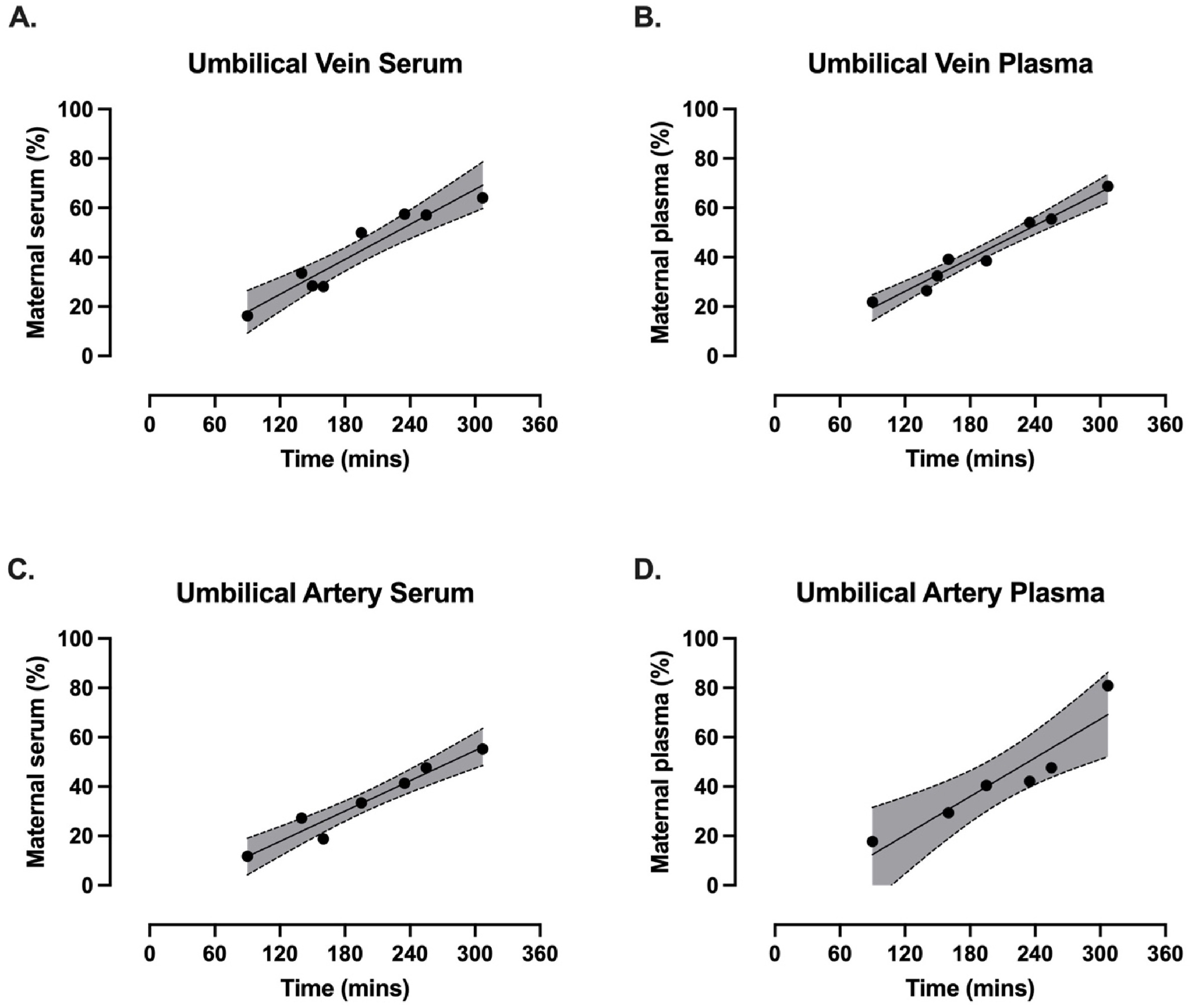
“Uncomplicated pregnant patients (n = 8) scheduled for elective caesarean sections (>37 weeks gestation) provided written and informed consent. A single oral dose of EnduraCell, a broccoli sprout extract (equivalent to 21 mg of sulforaphane), was administered prior to caesarean section. Baseline blood pressure, blood and urine were collected and again at time of operation, alongside umbilical cord blood (vein and artery) and placental samples.

2–4 days post-delivery, a second dose was administered. Two hours later, maternal bloods and breast milk were collected.

Unlike in the maternal circulation, sulforaphane levels did not show an obvious peak at the 2–3 h timepoint in the fetal umbilical vein serum and plasma or the umbilical artery serum and plasma.

A linear regression indicated that the percentage of fetal sulforaphane relative to the maternal concentration increased over time, showing progressive transfer from maternal to fetal circulation.

This is the first study to demonstrate the successful maternal-fetal transfer of sulforaphane through the placenta and into breast milk following exposure to a broccoli sprout extract during and after pregnancy. No adverse events or outcomes were reported from any of the participants, supporting the reassuring safety profile of an acute exposure to a broccoli sprout extract in pregnancy.

https://www.sciencedirect.com/science/article/pii/S0143400425006964 “Assessing the transplacental passage and breastmilk levels of broccoli sprout-derived sulforaphane”


1. These researchers incorrectly termed a commercially available broccoli sprout powder as an extract. Grinding up broccoli sprouts produces a different product than does processing broccoli seeds or sprouts using solvents into extracts.

2. They asserted the broccoli sprout powder was a 21 mg sulforaphane dose. A more realistic explanation should have been provided, since:

  • No sulforaphane measurements were taken to back their assertion, which is understandable because the powder contained glucoraphanin, sulforaphane’s precursor, and sulforaphane wouldn’t be expected to be found in the powder; and
  • Conversion of broccoli spout powder to sulforaphane would be dependent on each subject’s gut microbiota, which is different for each individual.

Here’s what How long does sulforaphane keep? said for the same broccoli sprout powder product:

“Per the manufacturer, each capsule contained 700 mg of 100% whole broccoli sprout powder, including active myrosinase and 21 mg of glucoraphanin, which upon full conversion to SFN would yield ∼8 mg, equaling ∼24 mg of SFN total per three-capsule dose. We note that full conversion to SFN, even with active myrosinase in the supplement, is not expected.”

3. Characterizing this minimal dose as “an acute exposure” mixed up its meaning with the common meaning of acute – “extremely sharp or severe; intense.”

4. Someday, researchers will be interested and forward-thinking enough about their field to plan ahead and investigate occurrences such as why both the highest and lowest maternal blood sulforaphane content didn’t translate into correspondingly ranked umbilical cord blood sulforaphane content.

5. Since blood contains up to 18,000 compounds, I don’t see where any other maternal blood compound wouldn’t pass to the fetus, unless it is definitively shown that the placenta specifically blocks it. It’s time to discard and disclaim any “safe and effective” propaganda with respect to pregnant women and breastfeeding mothers.

I found this study by it citing Eat broccoli sprouts for longevity.

A Nrf2 treatment for ALS?

A 2025 rodent in vivo / human cell ex vivo study investigated effects of a Nrf2 activator on ALS rodent models and ALS human nervous system cells:

“M102 is a central nervous system (CNS) penetrant small molecule electrophile which activates in vivo the NF-E2 p45-related factor 2-antioxidant response element (NRF2-ARE) pathway, as well as transcription of heat-shock element (HSE) associated genes. Apart from the recent promising emergence of tofersen as a disease modifying therapy for the 2% of ALS patients who harbor mutations in the SOD1 gene, other approved drugs have only marginal effects on life expectancy (riluzole) or indices of disease progression (edaravone).

Data from disease model systems and from human biosamples provide strong evidence for a role of redox imbalance, inflammation, mitochondrial dysfunction, and altered proteostasis, including autophagy and mitophagy, as four key drivers in the pathobiology of ALS. We demonstrate that M102 is a dual activator of NRF2 and HSF1 transcription factor pathways, two upstream master regulators of neuroprotective mechanisms, with the potential to modulate all four of these key drivers of neurodegeneration and with excellent penetration across the blood brain barrier.

Stress response of the KEAP1-Nrf2-ARE system is stronger in astrocytes compared to neurons. A body of evidence from in vitro and in vivo model systems and from post-mortem CNS tissue from ALS patients has indicated that the NRF2 response is impaired in ALS, and has also been shown to decline with age.

HSF1 is a stress-inducible transcription factor that is the key driver for expression of multiple heat shock proteins which act as chaperones responsible for correct folding of newly synthesized proteins, refolding of denatured proteins, and prevention of aggregation of misfolded proteins. However, to date, many small molecule activators of HSF-1 have shown undesirable properties e.g. by acting as Hsp90 inhibitors or by exerting direct proteotoxic effects.

M102 (S-apomorphine hydrochloride hemihydrate) is a proprietary new chemical entity (NCE) and the S-enantiomer of the marketed R-apomorphine (Apokyn®; pure R-enantiomer). The R-enantiomer is a dopamine agonist administered subcutaneously for management of advanced Parkinson’s disease. M102 is a very weak dopamine antagonist and does not show the adverse effects associated with dopamine agonism.

M102 treatment rescues motor neuron (MN) survival in co-cultures with C9, SOD1 and sporadic ALS patient-derived astrocytes. Other NRF2 activators have been investigated in clinical trials or have been approved for medical use. These include dimethylfumarate (DMF) (Tecfidera®, Biogen) and omaveloxolone (Reata, Biogen).

  • DMF was originally approved for the treatment of psoriasis (Fumaderm®) and was later repurposed for the treatment of relapsing-remitting multiple sclerosis (Tecfidera®). A phase 2 trial of DMF in ALS provided Class 1 evidence of safety at a dose of 480 mg/day and lack of disease-modifying efficacy. DMF treatment is associated with dose-limiting lymphopenia and flushing (Tecfidera® Prescribing Information).
  • Omaveloxolone (Skyclarys®) is a potent NRF2 activator that has been approved by the FDA and EMA for the treatment of Friedreich’s ataxia. By activating the NRF2 pathway, omaveloxolone ameliorates oxidative stress and improves mitochondrial function. As a potent NRF2 activator, omaveloxolone exhibited significant liver toxicity with elevated AST/ALT levels in 37% of patients exposed to a dose of 150 mg.
  • Toxicity has also been reported with other potent NRF2 activators, such as bardoxolone methyl (EC50: 53 nM) which showed significant heart, liver, and renal toxicity in humans.

In contrast, our preclinical toxicological studies indicate that M102 has a much higher safety margin in relation to liver toxicity. M102 has the potential to modulate multiple key drivers of neurodegeneration, increasing the chances of achieving impactful neuroprotection and disease modifying effects in ALS.

This comprehensive package of preclinical efficacy data across two mouse models as well as patient-derived astrocyte toxicity assays, provides a strong rationale for clinical evaluation of M102 in ALS patients. Combined with the development of target engagement biomarkers and the completed preclinical toxicology package, a clear translational pathway to testing in ALS patients has been developed.”

https://molecularneurodegeneration.biomedcentral.com/articles/10.1186/s13024-025-00908-y “M102 activates both NRF2 and HSF1 transcription factor pathways and is neuroprotective in cell and animal models of amyotrophic lateral sclerosis”