A missed opportunity to research the oxytocin receptor gene and autism

This 2013 study:

“Examined whether genetic variants of the OXTR [oxytocin receptor] affect face recognition memory in families with an autistic child.

We investigated whether common polymorphisms in the genes encoding the oxytocin and vasopressin 1a receptors influence social memory for faces.”

I feel that the researchers missed an opportunity to improve their assessment of the autism-related genetic contribution to the study’s findings by separating the degree of environmental influence on the oxytocin receptor gene expression, as did the How epigenetic DNA methylation of the oxytocin receptor gene affects the perception of anger and fear study.

An assessment of epigenetic DNA methylation of the oxytocin receptor gene may have been even more compelling because the researchers genetically sampled one non-autistic sibling in each of the autistic children’s families. I hope the study’s samples are still available, because they may offer the possibility of evaluating the contribution of the autistic children’s historical environment with potential confirmation from their siblings.

Both studies gave their subjects similar facial emotion recognition tests, with the current one deriving from findings about autism, and the second from findings about the amygdala. The studies also had common references, such as a 2010 study, A common allele in the oxytocin receptor gene (OXTR) impacts prosocial temperament and human hypothalamic-limbic structure and function.

http://www.pnas.org/content/111/5/1987.full “Common polymorphism in the oxytocin receptor gene (OXTR) is associated with human social recognition skills”

Agenda-driven research on emotional memories

I curated this 2013 study because one of the authors has made a career out of denying that people accurately remember and re-experience emotional memories. I’ll show how this viewpoint created problems with the study.

For background, one relevant hypothesis of Dr. Arthur Janov’s Primal Therapy is that there are differences in the levels of consciousness of: (1) an emotional memory; (2) the recall of an emotional memory; and (3) a verbal description of the recall of an emotional memory.

  1. The retrieval and re-experiencing of an emotional memory can engage our lower-level brain areas without our higher-level brain areas’ participation.
  2. The recall of 1 above is a product of our cerebrum in response to input from limbic system and lower brain areas.
  3. The verbal description of 2 above is a product of our brain’s language areas in response to input from the cerebral areas that recalled the emotional memory.

Clinical principles of Primal Therapy that follow are:

  • A patient won’t re-experience an emotional memory when they only just recall it.
  • It’s another level of consciousness even further removed from an emotional memory when someone describes their recall of the memory.

The researchers asserted that they studied emotional memories in one part of this study. Their method was to ask the subjects to recall and verbally describe the emotions they felt the week after 9/11/2001.

The researchers introduced factors to try to confuse the subjects about their recall of their emotions, and their verbal descriptions of their recall. The researchers were very sure that confusing the subjects’ cerebral recalls and descriptions produced evidence that the subjects’ emotional memories were changed and falsified.

Can you see how far removed the researchers were from studying emotional memories? They didn’t demonstrate that they understood how emotional memories were stored because they didn’t attempt to engage the subjects’ limbic system and lower brain areas.


Let’s illustrate the study’s inappropriate characterizations with an example. I burned my left index fingertip last week while toasting bread on an infrared oven grill. The pain is still stored with my emotional memory, and is probably why my memory is very clear.

I can recall the visual details of the grill, how my fingertip looked, the pain I initially felt, and the relief I felt when I held my finger under running cold water. I can retrieve and re-experience my emotional memory in a calm environment such as lying in bed with no aural or visual distractions.

Let’s imagine that the researchers analogously studied my burned fingertip accident. They would deny that I can accurately retrieve and re-experience my emotional memory of the accident if they could create problems with my verbal descriptions of my recall. For example, if I initially said that I pushed the kitchen faucet handle all the way in the cold direction, then after repeated questioning, I said that I wasn’t sure that the handle was pushed all the way over to Cold.


The researchers intentionally conflated the falsifiability of emotional memories with a strawman definition of false emotional memories.

They purposely misidentified both:

  • The subjects’ recalls of post-9/11 emotions; and
  • The subjects’ descriptions of their recalls

as emotional memories.

The study was designed to be lawyering, not science. The researchers DETRACTED from science.

Maybe their purposeful error could be overlooked if it was confined to this study. But it isn’t.

Imagine the damage this viewpoint creates when mental health professionals deny the reality of their patients’ feelings, experiences, and emotional memories!

http://www.pnas.org/content/110/52/20947.full “False memories in highly superior autobiographical memory individuals”

Who benefits when research promotes a meme of self-sacrifice?

The main purpose of this 2014 Illinois human study was to make findings directed toward high school students that:

“Well-being may depend on attending to higher values related to family, culture, and morality, rather than to immediate, selfish pleasure.”

The study’s messages to young people and to those who control young people were:

  • You have to give up trying to live your own life if you want to be happy.
  • For your own “well-being” just follow the “higher values” where other people tell you what to do and think.
  • Other people know how you should live your life better than you do. Science says so.

The researchers embedded many assertions into the study, most of which weren’t supported by the study’s data. The researchers’ main assertion was:

“Optimal well-being may be achieved through eudaimonic activities.”

The researchers repeated this assertion multiple times in multiple ways, such as citing philosophy and other research. The short version of the term “eudaimonic” was defined as: “Meaning and purpose, a life well-lived.”

The study’s ONLY measurement of “eudaimonic” activities was the subjects’

“Neural activation when making a donation to the family that involves self-sacrifice.”

The study’s main finding involving this SOLE measurement was:

“Eudaimonic decisions predicted longitudinal declines in depressive symptoms.”

Depressive symptoms were determined by “a self-report measure” where the subjects, 47 adolescents aged 15-17:

  • “Completed the internalizing symptoms subscale of the Youth Self-Report form of the Child Behavior Checklist
  • Underwent a brain scan during which they completed a family donation task and a risk-taking task.”

39 of the subjects returned one year later to reanswer the checklist.


I wonder what bases the reviewer used to approve the researchers’ methods.

1. In the study’s verbiage the researchers extrapolated the significance of the sole measurement of eudaimonic activities – the initial fMRI scan – many times past what it actually measured. One-time measurements of the blood flow in the ventral striatum of a few Los Angeles teenagers can’t validly be assigned as the bases for all of what the researchers went on and on about to glorify “prosocial eudaimonic decisions.”

2. No method checked the subjects’ personal impact of the experiments’ monetary rewards and donations. The subjects didn’t scale their personal relative importance of the monetary rewards and donations.

Consider the relative importance of a dime for a kid whose parents gave them a BMW to drive to high school. Compare that with a kid who searched the sidewalk for dropped coins as they walked to high school.

Absent subjective scaling, the monetary rewards and donations data couldn’t be used as the basis to produce informative results.

3. The balloon test used in this study to measure “risky hedonic decisions” was the same as in the Who benefits when research with no practical application becomes a politically correct meme? study. The same objection applies here: a video game task of popping balloons that engages the cerebrum was NOT informative to the cause-and-effect of the emotions and instincts and impulses from limbic system and lower brain areas that predominantly drive risky behavior.


Scientific justification for memes like the self-sacrifice promoted by this study helps rush people past what really happened in their lives. A popular cultural meme is to “live in the present” and purposefully overlook how we arrived at our present lives.

I wonder how we would evaluate the “higher values related to family, culture, and morality” if we felt and honestly understood our real history.

Do you feel that young people benefit when they sacrifice their lives in the name of “family, culture, and morality?” Who benefits when people don’t pause to reflect on how their history impacts what’s going on now with their lives?

http://www.pnas.org/content/111/18/6600.full “Neural sensitivity to eudaimonic and hedonic rewards differentially predict adolescent depressive symptoms over time”

Problematic research on suppressing unwanted memories

This 2014 French/UK human study found:

“Motivated forgetting mechanisms, known to disrupt conscious retention, also reduce unconscious expressions of memory, pointing to a neurobiological model of this process.”

There were multiple problems with this study.

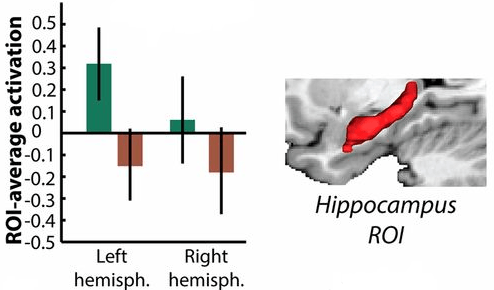
1. The researchers excluded emotional content, although the study involved areas of the brain involved in processing emotions:

roi

How could the study’s findings apply to:

“The distressing intrusions that accompany posttraumatic stress disorder

when emotional memories were excluded? It was an unsupported assertion for one of the researchers to state:

“The better understanding of the neural mechanisms underlying this process arising from this study may help to better explain differences in how well people adapt to intrusive memories after a trauma.”

2. The term “unconscious” was used 27 times, including in the title, without defining it. The cited studies defined “unconscious” several meaningfully different ways. How could the findings achieve validity when they contained an undefined term?

3. The experiments involved short-term memories and visual perception, and the subjects took longer to visually perceive objects that they had been directed to suppress than those that they had been directed to think about. However, the researchers didn’t show that these experimental results could be extrapolated into findings about long-term unconscious memories.

4. Data manipulation:

  • The researchers noted:

    “We did not observe less hippocampal activation during no-think than think trials.”

  • This data didn’t fit what they wanted to find, so they:

    “Restricted the search volume to anatomically defined regions of interest.”

  • They still couldn’t make their predetermined finding, so they discarded:

    “An outlier which compromised the significance of this effect.”

The above process didn’t support the statement that immediately followed:

“Thus, suppression robustly engaged the brain regions associated with memory control, and this was accompanied by reduced activation in the hippocampus.”

Didn’t the reviewer have something to say about these four problem areas?

It was a letdown to read the details of the study when its title held out such promise for informing us about the unconscious influence of memories. Per the Scientific evidence page, it would really help a person as a first step to become somewhat aware of their unconscious memories and feelings, especially when these are expressed through behavior.

http://www.pnas.org/content/111/13/E1310.full “Suppressing unwanted memories reduces their unconscious influence via targeted cortical inhibition”

Translating PTSD research findings from animals to humans

This 2014 rodent study stressed the animals, measured their stress responses, then killed them and sampled genes in their amygdala, hippocampus, and blood. The researchers found that glucocorticoid receptor signaling genes were the primary pathway associated with “exposure-related individual differences in stress responses for the amygdala and blood. This pathway also placed first for the hippocampus in female rats (glucocorticoid receptor was second in male rats and prostate cancer signaling was first).

I’ll quote one press article’s coverage to show where the researchers wanted to go with the study’s findings:

“We found that most of the genes and pathways that are different in PTSD [post-traumatic stress disorder]-like animals compared to resilient animals are related to the glucocorticoid receptor, which suggests we might have identified a therapeutic target for treatment of PTSD.”

How about this lead sentence:

“There may some day be a blood test to determine whether someone suffers from Post-Traumatic Stress Disorder or is at risk for the psychiatric condition.”

Here’s another article’s paraphrase of a different researcher:

“Those are genes that become activated in the presence of stress. Like a key fitting into a lock, the hormone corticosterone, produced naturally by the body, connects to the receptor and has a calming effect.

In some rodents, and apparently in some people, the pathway appears to be defective, and this puts them at higher risk for PTSD.”

Also, from the study’s abstract:

“Corticosterone treatment 1 h[our] after PSS [predator-scent-stress]-exposure prevented anxiety and hyperarousal 7 d[ays] later in both sexes, confirming the GR [glucocorticoid receptor] involvement in the PSS behavioral response.”


Like other researchers continue to do, they stopped this study short of finding causes for the effects:

  1. What were the causes for genes in the glucocorticoid receptor signaling pathway being differentially expressed? “Exposure-related individual differences” isn’t a causal finding.
  2. If this pathway is “defective,” what exactly happened to make it that way?
  3. Did dampening the effects of stress with a shot of cortisol one hour after the stress treat the cause such that the rats were cured? Since the readers of the study and associated articles were led to infer that this treatment was a cure, why destroy the treated animals afterwards before the proofs of long-term efficacy were thoroughly documented and tested?

When studies like this are carried forward with humans, researchers should try to find the causes for these effects. It isn’t sufficient to pretend that there aren’t early-life causes for these effects. Such a pretense leads to the follow-on pretense that later-life consequences are mysteries such as “exposure-related individual differences” and not effects.

Researchers should act like the subjects are feeling human beings who can participate in treatments of both the causes and effects. They should remember that humans are not lab rats who need to be fixed.

http://www.pnas.org/content/111/37/13529.full “Expression profiling associates blood and brain glucocorticoid receptor signaling with trauma-related individual differences in both sexes”

Can a Romanian orphan give informed consent to be an experimental subject?

This 2015 study used Romanian orphans as lab rats for findings of which I failed to see the value. The world didn’t really need any further research to demonstrate that foster care would be better for a child than staying in an orphanage.

The researchers placed the orphans in five separate stressful situations, and measured their cortisol and DHEA-S levels, along with their electrocardiograph and impedance cardiograph activity. The findings were:

“Children who were removed from the Romanian institutions and placed with foster parents before the age of 24 months had stress system responses similar to those of children being raised by families in the community.

The children raised in institutions showed blunted responses in the sympathetic nervous system, associated with the flight or fight response, and in the HPA axis, which regulates cortisol.”

One unsupported assertion from the researchers was:

“We provide evidence for a causal link between the early caregiving environment and stress response system reactivity in humans with effects that differ markedly from those observed in rodent models.”

The researchers stated that rodent studies have converged to find:

“Early-life adversity results in hyperreactivity of the sympathetic nervous system (SNS) and hypothalamic–pituitary–adrenal (HPA) axis.”

It’s baloney that the same results from early life adversity in rodents haven’t also been present in humans. Even the lead researcher herself said in a news article:

“More significantly, McLaughlin said, their [the orphans] stress response systems might have been initially hyperactive at earlier points in development, then adapted to high levels of stress hormones.”

The difference was that the rodents were monitored 24/7 until researchers killed and dissected them. The children’s periods of adversity likely started while in the womb, and their lives had been monitored for research purposes sporadically after their births.

Everybody knows that just because adverse events and effects in these children’s lives weren’t recorded by researchers didn’t mean these effects weren’t present at some point.

Particularly irksome was another unsupported assertion from the lead reviewer:

“The children involved in the study are now about 16 years old, and researchers next plan to investigate whether puberty has an impact on their stress responses. It could have a positive effect, McLaughlin said, since puberty might represent another sensitive period when stress response systems are particularly tuned to environmental inputs. “It’s possible that the environment during that period could reverse the impacts of early adversity on the system,” she said.”

No, this is NOT possible. We may as well expect an apple to fall upward.

The impacts of early adversity persist with enduring physiological changes as shown in experimental studies. Studies have NOT provided evidence that the subjects’ environment can cause the effects of complete reversal of all these changes, no matter the stage of life of the subjects.

This point was addressed in The effects of early-life stress are permanent alterations in the child’s brain circuitry and function rodent study:

The current study manipulates the type and timing of a stressor and the specific task and age of testing to parallel early-life stress in humans reared in orphanages.

The results provide evidence of both early and persistent alterations in amygdala circuitry and function following early-life stress.

These effects are not reversed when the stressor is removed nor diminished with the development of prefrontal regulation regions.

That study had the same reviewer as the current study. The current study’s lead researcher knew or should have known of this and other relevant research. She knew or should have known of the irreversibility of critical periods, during which developments either occurred or were forever missed.

Did the lead researcher make assertions not supported by the study or relevant research – assertions made counter to her scientific knowledge – show her unease about treating the orphans as lab rats? Was there was some other agenda in play?

The larger problem was the study’s informed consent with this group of Romanian orphans. If you were in contact with a damaged person, and implicitly gave them hope that you would improve their life, then who are you as a feeling human being when you don’t personally carry through? Does the legal documentation matter?


Also, I’ve noticed problems with several studies that had this particular reviewer:

Add the current study to the list.

http://www.pnas.org/content/112/18/5637.full “Causal effects of the early caregiving environment on development of stress response systems in children”


This post has somehow become a target for spammers, and I’ve disabled comments. Readers can comment on other posts and indicate that they want their comment to apply here, and I’ll re-enable comments.
Emotion inclusion in basic research drives discovery

What happens when a meme influences science? It would seem that researchers’ perceptions start to wheel around its axis.

A meme was the driver of this short 2015 commentary that stated:

“Most preclinical biomedical research, however, has been conducted with inadequate consideration of sex.”

If researchers discovered that gender hadn’t been adequately considered in research, maybe other “evolutionarily fundamental” factors had “inadequate consideration” as well.

Maybe one day soon, researchers will stop the current widespread exclusion of emotional content in studies, especially when the studies already included areas of the brain that are the biological bases of emotions.


To imagine a potentially beneficial future meme, I substituted the word “emotion” for “sex” in the title and part of two paragraphs of this commentary. How well does this fit?

[Emotion] inclusion in basic research drives discovery”

“Why is [emotion] so important?

Although many factors can influence an outcome, [emotion] is evolutionarily fundamental and affects the whole of the population

Across diverse disciplines, researchers risk drawing erroneous conclusions when they extrapolate outcome data from [emotional to non-emotional and vice versa].”

See A missed opportunity to study odor-evoked emotional memories for one deliberate exclusion of emotional content, although including emotions may have been appropriate, informative, and contributed to advancing science.

Click the hippocampus category to see a sample of human studies that may have included the biological seat of emotional memories, but only a scarce few of which included emotional content.

http://www.pnas.org/content/112/17/5257.full “Opinion: Sex inclusion in basic research drives discovery”

Genetic programming of hypothalamic neurons regulates food intake and body weight

These 2015 Michigan/Argentinian fish and rodent studies were of the genetic programming of specific neurons in the hypothalamus. The study linked below found:

“Food intake and body weight regulation depend on proper expression of the gene” in these neurons.

In a second study released at the same time from the same researchers:

“The researchers found that the two enhancers act in ways that complement one another, both encouraging the expression of the Pomc gene at key times. One of the two is found in the same form among all mammals, the other among all placental mammals – suggesting that they’ve been kept intact throughout the evolutionary process.”

Genetic programming of these neurons begins during early brain development. One of the researchers said:

“This work represents the first example of a neuron-specific gene in vertebrates where we have found both the enhancers and a shared transcription factor that control gene expression in the developing brain and then throughout the life span of the adult.”

The first study showed that if the genetic expression of these hypothalamic neurons was disrupted, the individual lost control of their eating (hyperphagia) and the usual result was severe obesity:

“We don’t know, but we think it likely, that it [regulation of these specific hypothalamic neurons in humans] may be similar to the mouse model, where its role is like a dial, with a linear relationship between the amount of Pomc [the gene] expression and the degree of obesity.”

I hope that when extending this research to humans, the researchers don’t exclude emotional content like most studies involving areas of the limbic system have done. Everyone has feelings intermixed with eating and foods. It’s a great disservice to have publicly funded studies not include aspects of emotion that could potentially help people.

http://www.pnas.org/content/112/15/E1861.full “Islet 1 specifies the identity of hypothalamic melanocortin neurons and is critical for normal food intake and adiposity in adulthood”

Epigenetic production of new brain neurons in the hippocampus

This 2015 La Jolla rodent study provided further details on the production of new neurons in the adult hippocampus:

“We propose that SOX2 sets a permissive epigenetic state in neural progenitor cells, thus enabling proper activation of the neuronal differentiation program under neurogenic cue.”

The researchers stated that the functions of these new brain neurons were:

“Newborn granule neurons generated from neural progenitor cells in the adult hippocampus play a key role in spatial learning and pattern separation.”

http://www.pnas.org/content/112/15/E1936.full “SOX2 primes the epigenetic landscape in neural precursors enabling proper gene activation during hippocampal neurogenesis

A missed opportunity to study odor-evoked emotional memories

The researchers of Can a study exclude the limbic system and adequately find how we process value? published another study. In this 2015 human study, subjects were monitored with fMRI scans while making choices on the identity and pleasantness of rewarding food odors.

I feel that the researchers missed quite a few good opportunities to advance science. Instead of making peripheral assessments of limbic system areas and citing numerous other studies, they could have included emotional content in their study and drawn their own conclusions.

Consider these opportunities:

  • Wouldn’t the odors used in the study such as chocolate cake and pizza and strawberry and potato chips – and other “comfort” foods – potentially be associated with emotional responses?
  • Don’t most humans have memories that include pleasant food odors?
  • Wouldn’t it have been informative to ask the subjects during fMRI scans to identify what emotions were evoked by the pleasant food odors?
  • Wouldn’t these resultant fMRI scans be expected to potentially show more strongly activated limbic system areas, given the hippocampus’ position as the seat of emotional memories?
  • Wouldn’t the additional emotional responses and memories and subsequent limbic system area activations potentially influence the subjects’ value judgments?

Instead, the researchers peripherally included limbic system areas in the study. The supplementary material included passages such as:

“Identity-specific value signals were found in not only the OFC, [orbitofrontal cortex] but also the ACC [anterior cingulate cortex] and hippocampus.”


Like the previous study, the current study’s focus was to provide evidence that areas of the cerebrum were in control when people made value judgments. The term “value” in the current study meant:

“the pleasantness of the odor.”

Like the previous study, areas of the limbic system weren’t addressed until the tail end of the supplementary material. The researchers cited other studies in an attempt to dismiss the role of the ACC in making value judgments, then said:

“Although we are unable to distinguish between these alternative explanations, our findings suggest that value-related signals in ACC—whether signed or unsigned—are specific to the identity of the expected outcome.”

Since the current study found that “identity” was encoded by cerebral areas, the above sentence was written to nudge the reader into inferring that the cerebrum dominated value judgments of “the pleasantness of the odor.”

The researchers similarly cited other studies in the last paragraph instead of specifically discussing how they studied the participation of the hippocampus part of the limbic system. They then speculated that the hippocampus’ contributions to value judgments in the current study were explained by the referenced studies:

“We speculate that the hippocampus is involved in retaining sensory-based information about specific rewards, which may be linked to value-based representations in OFC for later consolidation.”

Like the previous study, the researchers were begrudgingly diverted away from their focus on cerebral areas when they were forced to acknowledge the limbic system’s contributions to value judgments of “the pleasantness of the odor.”

http://www.pnas.org/content/112/16/5195.full “Identity-specific coding of future rewards in the human orbitofrontal cortex”

Problematic research that ignored the hippocampus as the seat of emotional memories

If this 2015 human study from the San Diego Veterans Administration developed findings of any note, I didn’t see them.

Like other studies, this study ignored the hippocampus’ position as the seat of emotional memories. The experiments were designed to not contain any emotional content.

The researchers mainly wanted to fight a 60-year old battle on whether or not the hippocampus contributed to spatial processing. They ignored all the research on place cells, such as:

to name three of the hundreds of place cell studies available.

By ignoring these and other studies, the researchers declared:

“We have not found evidence that this is the case.”

The lead researcher continued with speculations that couldn’t be verified with the current experiments’ data:

“We think they can do these spatial tasks because these tasks can be managed within short-term memory functions, supported by the frontal lobe of the neocortex.

The spatial tasks that we can do with our neocortex using short-term memory must be performed by the hippocampus in rats.”

Basically, the rest of the scientific world must supply irrefutable evidence (which will be ignored) but the reader can just take the lead researcher’s words as fact for what’s going on inside human and rodent brains, although:

  • No fMRI scans were performed during the experiments,
  • No hard measurements were taken.

The findings were based on observations of six subjects:

  • With hippocampal lesions of unspecified duration,
  • Drawing pictures, and
  • Narrating what they imagined about a playground.

I wonder what the reviewers saw in this study that factually advanced science. Did the statement:

“These results support the traditional view that the human hippocampus is primarily important for memory.”

convey something new? Make a contribution to science?

Studies like this one not only detract from science. They are also a waste of resources that supposedly the Veterans Administration have in short supply.

The design and data of such studies are not able to reach levels where they can provide evidence of causes and effects of anything within their scope. That’s a good indication of some other agenda in play.

http://www.pnas.org/content/112/15/4767.full “Memory, scene construction, and the human hippocampus”

The amygdala part of the limbic system doesn’t process beliefs

Does your desk light switch on or off when other people in the office switch their desk lights on or off? Something in the wiring would probably be wrong if it did.

And wouldn’t you expect that other desk lights would still operate normally if your desk light’s bulb burned out, although everyone may be plugged into the same electrical circuit?


It surprised the researchers of this 2015 CalTech/MIT study when:

“Two patients with bilateral amygdala lesions performed a belief reasoning test.

Both patients showed typical test performance and cortical activity when compared with nearly 500 healthy controls.”

The study’s overall frame of reference was expressed as:

“Humans use a so-called “theory-of-mind” to reason about the beliefs of others. Neuroimaging studies of belief reasoning suggest it activates a specific cortical network. The amygdala is interconnected with this network and plays a fundamental role in social behavior.”

The experimental test:

“Was designed to optimize functional contrast in those brain regions thought to be involved in attempts, be they successful or unsuccessful, to evaluate the veracity of another person’s belief about the world.”


A “belief reasoning test..to reason about the beliefs of others” is a cerebral exercise. The amygdala, in contrast, is an emotional center of a person’s limbic system.

The logic by which the study may be viewed is:

  1. The “belief reasoning test” had no emotional content to activate the subjects’ amygdalae.
  2. fMRI scans confirmed that limbic system areas in the 2 lesioned subjects weren’t activated during the test.
  3. Apply the logic of Occam’s razor, and we arrive at the findings of “typical test performance and cortical activity.”

Task performance and beliefs about task responses are solely cerebral exercises had a similar methodology and result in that those subjects’ limbic systems were monitored during fMRI scans and subsequent reporting, but the subjects’ limbic system areas weren’t activated during any of the experiments.


The researchers stated the results:

“Suggest a reevaluation of the role of the amygdala and its cortical interactions in human social cognition.”

But per the beginning analogy – if your desk light’s bulb burned out, would you be surprised that it didn’t affect the normal operations of desk lights in other offices, although they all may be plugged into the same circuit?

This study informed us that the amygdala isn’t slaved to the cerebrum. It’s hard to change the current research mindset/social meme of cerebral dominance, though, so maybe this information will be overlooked.

http://www.pnas.org/content/112/15/4827.full “Amygdala lesions do not compromise the cortical network for false-belief reasoning”

Can you give emotionally informed yet reasoned responses to moral questions within 3 seconds?

Could you give a 3-second informed decision that reflected your true feelings about this statement?

“Inflicting emotional harm is just as bad as inflicting physical harm.”

Could you then express your confidence about your answer on a 1-7 scale within 1 second? How about your 3-second response to this statement:

“Developing a child’s character is central to raising it good.”

The researchers of this 2015 Swedish study asserted that it:

“Demonstrates that moral choices are no different from their preferential and perceptual counterparts; they are highly constrained and coupled to the immediate environment through sensory interaction.”

The subjects’ moral choices about statements such as:

“One should never intentionally harm another person.”

weren’t weighted any differently than their “top of the head” answers to questions such as:

“Is Denmark larger than Sweden?”

There was a time limit of 3 seconds for the subjects to answer 63 “moral” and 35 “factual” questions. The subjects were asked to express their confidence in the answer during an additional 1-second time frame. Answers after these time limits were discarded.

In the supplementary material, the researchers:

“Justified our design. When no time-out condition was included, 33% of participants realized that their eye movements were influencing the timing of the trial.”

So the 3-second time frame was imposed to keep the subjects from gaming the experiment. The experiment’s time limit of 3 seconds didn’t have anything to do with properly modeling moral decision-making.


The time period wasn’t the only questionable area. The researchers focused on eye gaze as the important homogenous factor influencing the subjects as they made their “moral” choices.

However, one person’s eye gaze is not necessarily the same as the next person’s, as demonstrated by studies such as:

An individual’s attention and perception that are incorporated into their eye gaze are behaviors that may have many differing historical components. For example, one subject may have kept their gaze on the:

“Value animals equally.”

answer to the:

“Animal welfare should not be valued equally with human welfare.”

question because their initial reaction involved their cuddly pet. Another subject may have kept their gaze on the same answer because their initial reaction involved a stray dog that attacked them.


Did the study shed light on its initial statement?

“Moral cognition arises from the interplay between emotion and reason.”

I didn’t see that the study’s design allowed its subjects to produce emotionally informed yet reasoned responses to the 98-question battery.


http://www.pnas.org/content/112/13/4170.full “Biasing moral decisions by exploiting the dynamics of eye gaze”

Are hippocampal place cells controlled by theta brain waves from grid cells?

This 2015 Canadian rodent study tried to establish that grid cells in the medial entorhinal cortex generated brain waves in the theta frequency range that controlled place cells in the hippocampus part of the limbic system.

The researchers stated:

“Our results deviate from the prediction.”

but a commentary Do the spatial frequencies of grid cells mold the firing fields of place cells? said the researchers:

“Obtained fascinating results, largely supporting the model.”

What’s fascinating to me is the volume of studies on the hippocampus that ignore its position as the seat of emotional memories. Human experiments involving the hippocampus are usually designed to not contain any emotional content.

Two studies showed functions of hippocampal place cells:

A summary study of 118 other studies What do grid cells contribute to place cell firing? provided additional information on grid cells and hippocampal place cells, head direction cells, boundary cells, and cells that encode object locations.

The summary study related to the current study by stating that the research through early 2014 arguably found:

“Grid and place cell firing patterns are not successive stages of a processing hierarchy, but complementary and interacting representations that work in combination.”

http://www.pnas.org/content/112/13/4116.full “Place field expansion after focal MEC inactivations is consistent with loss of Fourier components and path integrator gain reduction”

A common dietary supplement that has rapid and lasting antidepressant effects

This 2012 Italian rodent study found that a common dietary supplement had rapid and lasting antidepressant effects:

“Remarkably, L-acetylcarnitine displayed a clear-cut antidepressant effect already after 3 and 7 d[ays] of daily dosing. No tolerance was developed to the action of L-acetylcarnitine. The drug was even more effective after 21 d[ays], and the effect persisted for at least 2 w[ee]k[s] after drug withdrawal.”

The researchers studied stressed mice and rats to determine that:

  1. An effect of the stress was to epigenetically change the hippocampus to produce less of an important molecule – type 2 metabotropic glutamate (mGlu2).
  2. A reduction of the mGlu2 molecule decreased the hippocampus’ regulation of the glutamate neurotransmitter.
  3. Under-regulation of glutamate, in turn, caused symptoms of depression.

L-acetylcarnitine reversed the immediate causes of stress-induced symptoms by acetylating histone proteins. These control the transcription of the brain-derived neurotrophic factor (BDNF) and mGlu2 receptors in the hippocampus and prefrontal cortex.


LAC putative action

A commentary on this research, Next generation antidepressants, had the above graphic that showed possible mechanisms for the effects of L-acetylcarnitine. Epigenetic histone modifications seem to be more easily reversible than epigenetic DNA methylation.


“Currently, depression is diagnosed only by its symptoms,” Nasca says. “But these results put us on track to discover molecular signatures in humans that may have the potential to serve as markers for certain types of depression.”

It’s tempting to extrapolate this study to humans and test whether depression symptoms could be effectively treated with some multiple of a normal acetyl-L-carnitine dietary supplement dose of 500 mg at $.25 a day. This dietary supplement is better for depression symptoms than placebo analyzed randomized control trials that tested and demonstrated its efficacy.

To cure stress-induced illnesses in humans, though, ultimate causes of stress should be removed or otherwise addressed.

http://www.pnas.org/content/110/12/4804.full “L-acetylcarnitine causes rapid antidepressant effects through the epigenetic induction of mGlu2 receptors”