Week 50 of Changing to a youthful phenotype with broccoli sprouts

1. Effects of broccoli sprouts that seemed personally astounding at Week 10 became a part of day-to-day life. What will happen next?

Day 350 of eating a clinically relevant amount of broccoli sprouts every day seems like a large number. Yet in comparison, for 6,000+ days I’ve taken a clinically relevant dose of 1/3, 1/6 yeast cell wall β-glucan to train my innate immune system.

Both of their main actions are similar in mildly stimulating my body’s stronger defenses. Switch on your Nrf2 signaling pathway described sulforaphane’s effects as a “weak pro-oxidant signal that you use to activate Nrf2.” Take responsibility for your one precious life – β glucan described yeast cell wall β-glucan as “a potent immune response potentiator and modulator.”

2. I work a full-time job, in my 24th year of being paid to develop software. It’s a young-person’s field, contingent on learning new aspects of new languages, then performing every hour of every day up to what’s known or should be known.

I enjoy working with a group of talented individuals, especially when it involves creative problem solving. I’ll tolerate admin, limited meetings, and other things I don’t like when there’s a path toward doing what I enjoy.

My experiences since coming out of retirement to take this job four years ago have been analogous to Part 3 of Rejuvenation therapy and sulforaphane, i.e. old treated subjects learned and remembered significantly better than old untreated subjects, but not as well as untreated young subjects. I’m not a lab rat, though, and I’ve often had better performance since Week 10 than decades-younger coworkers.

All part of Surfacing Your Real Self.

3. Looking back on this week and month last year, there was worldwide herding of the population using a disease as a cover story. I wondered when it would end, and I’m still wondering because it’s still going on.

This pretext for surrendering human rights is easily derailed. I won’t enumerate fallacies, misrepresentations, frauds, assertions that lack evidence.

It’s a valuable skill for us to know when we’re being herded. Are you willing and able to develop that skill?

4. I didn’t disturb this heron, and was rewarded with a lightning-fast snatch-and-swallow of its breakfast. I wasn’t quick enough to get that photo, though.

Flailing with probiotics?

This 2021 review subject was probiotic bacteria survival and colonization:

“Health benefits of probiotics are diminished due to substantial reduction of viable probiotic bacteria under harsh conditions in the gastrointestinal tract and colonization resistance caused by commensal bacteria. This review illustrates the journey of probiotics from oral administration to the gastrointestinal tract, followed by colonization of the gut, with a particular focus on the adhesion process of probiotics on mucosa or intestinal epithelial cells.

  • Mouth – influence of saliva on survival rates of probiotics seems to be minimal.
  • Stomach – transit takes between 5 min and 2 h. Prolonged exposure to the acidic environment is a huge challenge for probiotics.

  • Small intestine – bile acids and digestive enzymes (including lipases, proteases, and amylases) can impact probiotic viability through cell membrane disruption and DNA damage.
  • Colon – probiotics compete with host microbiota for nutrients and adhesion sites to colonize colonic mucosa and proliferate. Due to colonization resistance, most probiotics are excreted so that they cannot be detected.

Composition of gut microbiota is highly variable. Microbial composition is considerably different between people in different geographic locations and with different diets.

Probiotics cannot change intestinal microbiota community structure or diversity.

How probiotics communicate with commensal bacteria and some are successfully introduced to gut microbiota is of great interest. Understanding these factors will facilitate employment of effective delivery strategies designed for probiotics to overcome colonization resistance and achieve health benefits.”

https://www.frontiersin.org/articles/10.3389/fcimb.2021.609722/full “Probiotic Gastrointestinal Transit and Colonization After Oral Administration: A Long Journey”


This review provided details supporting points 2 and 6 of Harnessing endogenous defenses with broccoli sprouts:

“Even though probiotics as food or supplements demonstrate favourable clinical outcomes, they typically don’t colonise the gut. How do we expect them to restore diversity and lost species to the gut microbiome after antibiotics? If no trace of an administered probiotic organism can be found a few weeks later, is there any sustained benefit?

If the gut can harbour around 1,000 different species, why do we expect a probiotic supplement harbouring just a few species to favourably modify a human microbiome?”

That paper’s emphasis was reflected in its title, “Restoring Gut Ecology: Harnessing the Inbuilt Defence Mechanisms of the Gut Epithelium.”


I stopped taking probiotics earlier this year after 16 years of twice-daily intake. I’ve increased prebiotic intake. Pretty soon I’ll find out whether my innate and adaptive immune systems have changed enough to ward off spring allergy-season effects.

Sand sculptures

Time-restricted prebiotics

My 700th curation is a 2021 rodent study that investigated time-restricted prebiotic intake combined with an unrestricted bad diet:

“Restricted prebiotic feeding during active phase induced weight-independent alleviation of liver steatosis and reduced serum cholesterol in high-fat diet (HFD) fed mice more significantly than unrestricted feeding.

The prebiotic was a mixture of resistant starch [86%], fructo-oligosaccharide [5%], inulin [7.5%], and xylooligosaccharide [1.5%]. It was administered via drinking water at 10% (w/v) for 11 weeks followed by 20% (w/v) for 4 weeks.

Data suggests that improvement in HFD-induced hepatic steatosis by prebiotics could be associated with increased production of SCFAs [short-chain fatty acids]. Findings suggest that SCFA production can also be modified by timed feeding of prebiotics. This implies that distinct alterations in gut microbiota introduced by a difference in prebiotic feeding regime might be an outcome of gut microbiota undergoing diurnal oscillation.

These results suggest that the impact of prebiotics on weight-independent alleviation of liver steatosis and cholesterol-lowering effect can be optimized by restricting prebiotic intake to active phase, and is associated with a distinct change of gut microbiota with increased SCFA production.”

https://www.ncbi.nlm.nih.gov/pmc/articles/PMC7806547/ “Active phase prebiotic feeding alters gut microbiota, induces weight-independent alleviation of hepatic steatosis and serum cholesterol in high-fat diet-fed mice”


This study provided further evidence for Rhythmicity in that:

“Active phase restricted feeding of prebiotics showed more significant effects on modulating gut microbiota, SCFA production, and metabolic response, independent of weight loss. Alterations in gut microbiota introduced by a difference in prebiotic feeding regime might be an outcome of gut microbiota undergoing diurnal oscillation.”

Subjects’ human-equivalent ages were ~15 years to start and ~30 years at the end. As findings may be applicable to humans, this study was similar to Eat oats to prevent diabetes in that it passed on the issue of causes for detrimental effects continuing.

Eat whatever and whenever you want even though you know it will adversely affect your health? Sure, just add this prebiotic, or even better, time-restrict the prebiotic, and everything’s going to be alright?

Rhythmicity

This 2021 review subject was circadian signaling in the digestive system:

“The circadian system controls diurnal rhythms in gastrointestinal digestion, absorption, motility, hormones, barrier function, and gut microbiota. The master clock, located in the suprachiasmatic nucleus (SCN) region of the hypothalamus, is synchronized or entrained by the light–dark cycle and, in turn, synchronizes clocks present in peripheral tissues and organs.

Rhythmic clock gene expression can be observed in almost every cell outside the SCN. These rhythms persist in culture, indicating that these cells also contain an endogenous circadian clock system.

Processes in the gastrointestinal tract and its accessory digestive organs display 24-hour rhythmicity:

Clock disruption has been associated with disturbances in gut motility. In an 8-day randomized crossover study, in which 14 healthy young adults were subjected to simulated day-shift or night-shift sleeping schedules, circadian misalignment increased postprandial hunger hormone ghrelin levels by 10.4%.

Leptin, a satiety hormone produced by white adipose tissue, peaks at night in human plasma. A volunteer ate and slept at all phases of the circadian cycle by scheduling seven recurring 28-hour ‘days’ in dim light and eating four isocaloric meals every ‘day’. Plasma leptin levels followed the forced 28-hour behavioural cycle, while their endogenous 24-hour rhythm was lost. However, since meal timing can entrain the circadian system, this forced desynchrony study could not exclude a potential role of the circadian system.

Another constant routine protocol study with 20 healthy participants showed that rhythms in plasma lipids differed substantially between individuals, suggesting the existence of different circadian metabolic phenotypes.

Composition, function, and absolute abundance of gut microbiota oscillate diurnally. For example, microbial pathways involved in cell growth, DNA repair and energy metabolism peaked during the dark phase, while detoxification, environmental sensing and motility peaked during the day.

It is unclear how phase information is communicated to gut microbiota. However, human commensal bacterium Enterobacter aerogenes showed an endogenous, temperature-compensated 24-hour pattern of swarming and motility in response to melatonin, suggesting that the host circadian system might regulate microbiota by entraining bacterial clocks.

With increasing popularity of time-restricted eating as a dietary intervention, which entrains peripheral clocks of the gastrointestinal tract, studies investigating circadian clocks in the human digestive system are highly needed. Additionally, further research is needed to comprehend shifts in temporal relationships between different gut hormones during chronodisruption.”

https://www.nature.com/articles/s41575-020-00401-5 “Circadian clocks in the digestive system” (not freely available). Thanks to Dr. Inge Depoortere for providing a copy.


This review included many more human examples. I mainly quoted gut interactions.

A long time ago I was successively stationed on four submarines. An 18-hour schedule while underwater for weeks and months wiped out my circadian rhythms.

The U.S. Navy got around to studying 18-hour schedule effects this century. In 2014, submarine Commanding Officers were reportedly authorized to switch their crews to a 24-hour schedule.

Surface! Surface! Surface!

Eat oats to prevent diabetes

This 2020 rodent study investigated Type 2 diabetics eating oats along with a bad diet:

“Type 2 diabetes (T2D) is a metabolic disease which is characterized by a state of chronic low-grade inflammation with abnormal expression and production of multiple inflammatory mediators. Insulin resistance (IR), a condition where higher-than-normal concentration of insulin is needed to maintain a normal glycemia and adequate glucose utilization in insulin target tissues, has been clinically recognized as the best indicator for diagnosis of T2D.

Increased proportion of whole grain foods in daily diet are associated with reduced prevalence of IR, which is mainly attributed to abundant non-digestible carbohydrates.”

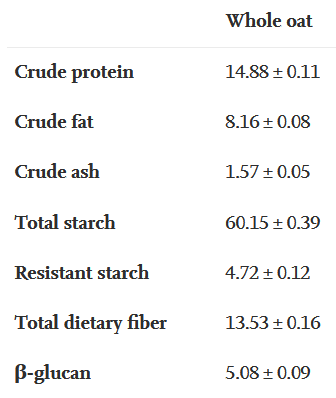
Oat species was Avena nuda, analyzed as:

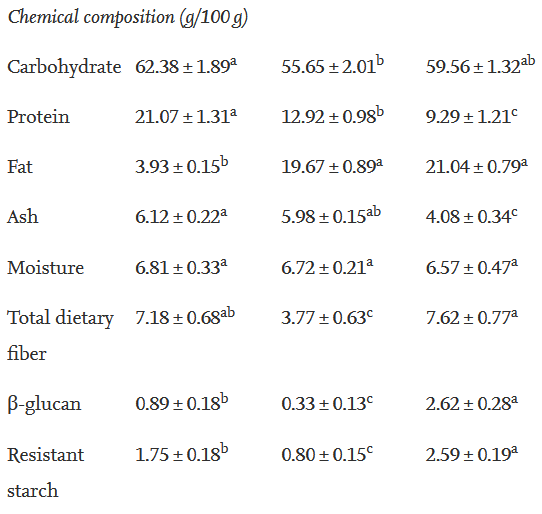
Left to right, diet compositions for basic chow diet, high-fat diet (HFD), and 49% HFD with 51% whole oat flour:

“An inflammation state characterized by high plasma TNF-α, IL-6, and IL-1β level was induced by HFD in T2D rats. Whole oats had anti-inflammatory effects by inhibiting production of proinflammatory cytokines. Our data supports a positive relationship between increased adipose proinflammatory cytokines and increased insulin resistance.

A drop in water and food intake indicated an improvement in typical clinical symptoms of T2D. Results of this study provide information about differences between individual oat products in improving T2D-related symptoms, and the role of gut microbiota.”

https://www.sciencedirect.com/science/article/pii/S1756464620301638 “Effects of oat β-glucan, oat resistant starch, and the whole oat flour on insulin resistance, inflammation, and gut microbiota in high-fat-diet-induced type 2 diabetic rats”


This study’s design wasn’t influenced by It’s the fiber, not the fat evidence. A more thorough analysis of each diet’s fiber contents may have better explained this study’s results.

100% insoluble fiber (cellulose) in “It’s the fiber” didn’t help subjects’ health. Removing 2-5% soluble fiber from subjects’ diets in that study had negative effects.

Although β-glucan isn’t the sole soluble fiber in Avena nuda oats, let’s use this study’s 51% whole-oat flour diet β-glucan of 2.62% as a proxy for soluble fiber:

  • Basic chow diet removed 1.73% (2.62 – 0.89) soluble fiber, and HFD removed 2.29% (2.62 – 0.33) soluble fiber.
  • Using its oat analysis, 51% whole-oat flour diet insoluble fiber due to oats was 4.31% ((13.53 – 5.08) * .51). The diet’s unanalyzed insoluble fiber of 3.31% (7.62 – 4.31) was roughly equivalent to HFD unanalyzed insoluble fiber of 3.44% (3.77 – 0.33).
  • Because composition of insoluble fiber matters to this study’s measurements – especially to gut microbiota – I won’t calculate estimates to compare basic chow diet’s unanalyzed insoluble fiber with the other diets’ unanalyzed insoluble fiber.

These researchers could have analyzed all this for soluble and insoluble fiber. They could have isolated resistant starch effects since its content was equivalent to β-glucan in the 51% whole-oat flour diet.


I’ve replaced Avena sativa steel-cut oats for breakfast with the Avena nuda cultivar used in Sprouting hulless oats. They’re chewier when prepared the same way – 1/2 cup soaked overnight in 2 cups water, then microwaved 20 minutes in a 1000W microwave at 80% power.

This Avena nuda cultivar is healthier because of oat bran’s contributions. Per Oat species comparisons of the good stuff, up to 25% of Avena sativa oat seeds are removed by dehulling before the steel-cut process.

I prefer 3-day-old oat sprouts of the hulled Avena sativa cultivar used in Sprouting hulled oats because of their 97% germination rate and taste. The Avena nuda cultivar didn’t sprout as well or taste as good.

Eat broccoli sprouts for depression

This 2021 rodent study investigated sulforaphane effects on depression:

“Activation of Nrf2 by sulforaphane (SFN) showed fast-acting antidepressant-like effects in mice by:

  • Activating BDNF;
  • Inhibiting expression of its transcriptional repressors (HDAC2 [histone deacetylase 2, a negative regulator of neuroplasticity], mSin3A, and MeCP2); and
  • Revising abnormal synaptic transmission.

In a mouse model of chronic social defeat stress (CSDS), protein levels of Nrf2 and BDNF in the medial prefrontal cortex and hippocampus were lower than those of control and CSDS-resilient mice. In contrast, protein levels of BDNF transcriptional repressors in CSDS-susceptible mice were higher than those of control and CSDS-resilient mice.

These data suggest that Nrf2 activation increases expression of Bdnf and decreases expression of its transcriptional repressors, which result in fast-acting antidepressant-like actions. Furthermore, abnormalities in crosstalk between Nrf2 and BDNF may contribute to the resilience versus susceptibility of mice against CSDS.

Nrf2-induced BDNF transcription in a model of depression.

  • Stress inhibits Nrf2 expression, which inhibits BDNF transcriptional and leads to abnormal synaptic transmission, causing depression-like behaviors in mice.
  • SFN induces BDNF transcription by activating Nrf2 and correcting abnormal synaptic transmission, resulting in antidepressant-like effects.

In conclusion:

  1. Nrf2 regulates transcription of Bdnf by binding to its exon I promoter.
  2. Inhibition of Nrf2-induced Bdnf transcription may play a role in the pathophysiology of depression.
  3. Activation of Nrf2-induced Bdnf transcription promoted antidepressant-like effects.
  4. Alterations in crosstalk between Nrf2 and BDNF may contribute to resilience versus susceptibility after stress.”

https://www.nature.com/articles/s41398-021-01261-6 “Activation of BDNF by transcription factor Nrf2 contributes to antidepressant-like actions in rodents”

Part 2 curates three papers that cited this study.


Eat broccoli sprouts for arthritis

This 2021 rodent study investigated sulforaphane’s adaptive immune system effects on arthritis:

“Sulforaphane reduced clinical and histologic scores of collagen-induced arthritis mice. Anti-arthritic and anti-inflammatory effects of sulforaphane were due to suppression of differentiation of naïve cells into plasma cells and GC [germinal center] B cells.

This is the first report that sulforaphane exerts an anti-arthritic effect by regulating B-cell differentiation. Because plasma cells are not affected by conventional immunosuppressive drugs such as steroids, cyclophosphamide, and B-cell-depleting agents, our finding that sulforaphane suppresses their differentiation into plasma cells is encouraging and suggests that plasma cell-targeted treatment strategies for rheumatoid arthritis may be effective.”

https://www.ncbi.nlm.nih.gov/pmc/articles/PMC7886167/ “The anti-arthritis effect of sulforaphane, an activator of Nrf2, is associated with inhibition of both B cell differentiation and the production of inflammatory cytokines”


Although not directly stated, it appeared that this study had 15 sulforaphane treatment subjects from the same experiments being run 3 times on 5 subjects. The above graphic was repeated with the other two less-significant findings in supplementary data.

Hooray for the People of Texas!

One anecdote from “vacationing” in the Dallas area last week:

I waited until temperatures were above 15° F to forage for food. The closest grocery store had the same situation as my hotel: no electricity all morning. It somehow had electricity for cash registers, but not for overhead lighting. People walked around using their phone’s flashlight feature for illumination.

A lady offered me her cart as I entered and she left. Many bare shelves. I got items to satisfy my gut microbiota (canned artichokes, canned hearts of palm, store-recipe grain bars, standard rolled oats). And Pinot Noir.

I stood in line with ~200 other shoppers in Grand Prairie, Texas for forty-five minutes. While the store manager verified that I was at least 21 years old, store-wide electricity came back on! I hadn’t heard squeals and sighs of delight like that for a while. 🙂

Reflected on respect for people and property as I drove back to my hotel, I didn’t see any:

  • Police;
  • Grocery store security; or
  • Stealing.

I had a civilization experience instead. Not like Portland, Minneapolis, Seattle, San Francisco, DC, Kenosha…

For those who care about such things, I’ll guess that grocery store’s customers’ racial mix was 25% Hispanic, 30% Black, 35% White, 10% Asian.


An aftershock anecdote from this morning: I saw three people drop out of an airport terminal’s Starbucks line when the barista announced it was cash-only.

My coffee cost $3, rounded up at the tip jar. Please be prepared.

Adaptive and innate immunity

Two 2021 reviews presented aspects of human immune systems:

“The adaptive immune system’s challenge is to protect the host through generation and differentiation of pathogen‐specific short‐lived effector T cells, while in parallel developing long‐lived memory cells to control future encounters with the same pathogen.

The system highly relies on self‐renewal of naïve and memory T cells, which is robust, but eventually fails. Genetic and epigenetic modifications contribute to functional differences in responsiveness and differentiation potential.

Less than 20% of nascent T cells are produced from the thymus in young adults, which dwindles to less than 1% after the age of 50 years. Even in young adults, the majority of T cells are produced in the periphery. A pickup in proliferation has been described in late life, possibly as a consequence of increased cell death and evolving lymphopenia.

One challenge of the aging process is to replenish cells while keeping integrity of the organ. The dynamic lymphoid system employs a vast number of T cells (>1011) and maintains a balance between cell production, death, and differentiation.

Enormous TCR ( T cell receptor) diversity is required to be able to respond to the universe of possible peptides (>209). Only T cell generation in the thymus can add new TCR specificities. Homoeostatic proliferation at best maintains diversity, >108 unique TCRs in a given adult.

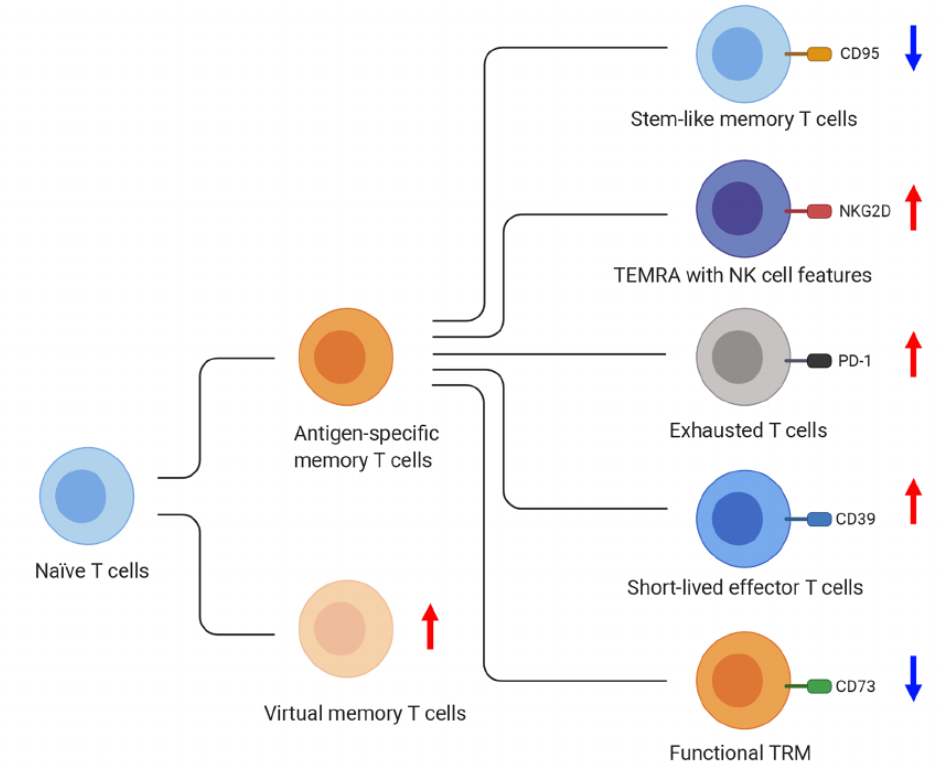
Antigen-specific memory T cells adopt several fates with age:

  • Decrease in stem-like memory T cells;
  • Increase in NK (natural killer) cell-like TEMRA (terminally differentiated effector T cells);
  • Increase in exhausted T cells;
  • Increase in short-lived effector memory T cells; and
  • Decrease in tissue-residing T memory cells.

Virtual memory T cells without prior experience of antigen encounter also increase with age.”

https://febs.onlinelibrary.wiley.com/doi/epdf/10.1111/febs.15770 “Hallmarks of the aging T cell system”


“Trained immunity is characterized by long‐term functional reprogramming of innate immune cells following challenge with pathogens or microbial ligands during infection or vaccination. This cellular reprogramming leads to increased responsiveness upon re‐stimulation, and is mediated through epigenetic and metabolic modifications.

Trained immunity has been shown to last for at least 3 months and up to 1 year, while heterologous protection against infections can last for at least 5 years. These long-term effects are mediated through reprogramming of myeloid progenitor cells in bone marrow, which in turn generate myeloid cells with a trained immunity phenotype.

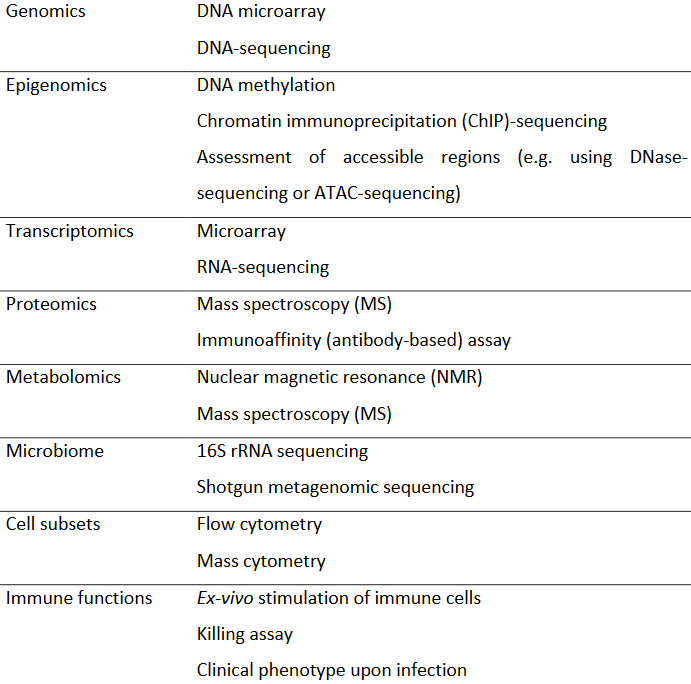
Molecular mechanisms underlying trained immunity, for example induced by β-glucan or Bacille Calmette‐Guérin (BCG) vaccination, can be investigated by using and integrating different layers of information, including genome, epigenome, transcriptome, proteome, metabolome, microbiome, immune cell phenotyping and function. Interplay between epigenetic and metabolic reprogramming is necessary for induction of trained immunity, as certain metabolites have a direct effect on enzymes involved in epigenetic remodeling.

High-throughput methods allow researchers to use an unbiased approach examining many potential genes or markers in relation to health and disease, rather than examining a limited number of candidate genes or markers.

One strength of integrating multiple levels of data is an increased power to identify key regulatory molecular networks driving trained immunity. For example, results obtained from one level (i.e. genes) can be used to reduce the number of traits to test in a second level (i.e. proteins), thereby increasing power.

One important pitfall when it comes to designing effective omics studies, is sample size. With a large number of markers measured, and the relatively small contributing effect size of individual analytes, the risks of both type 1 and 2 errors are high without sufficient sample sizes for both discovery and validation cohorts.”

https://onlinelibrary.wiley.com/doi/pdf/10.1002/eji.202048882 “Resolving trained immunity with systems biology”

Eat broccoli sprouts to prevent lung infections

A 2021 rodent study investigated lung infections:

“Mycobacterium avium complex (MAC) is the most common cause of pulmonary nontuberculous mycobacteria disease worldwide. It is thought that both environmental exposure and host susceptibility are required for the establishment of pulmonary MAC disease, because pulmonary MAC diseases are most commonly observed in slender, postmenopausal women without a clearly recognized immunodeficiency.

Host factors that regulate MAC susceptibility have not been elucidated until now. The Nrf2 system is activated in alveolar macrophages, the most important cells during MAC infection, as both the main reservoir of infection and bacillus-killing cells.

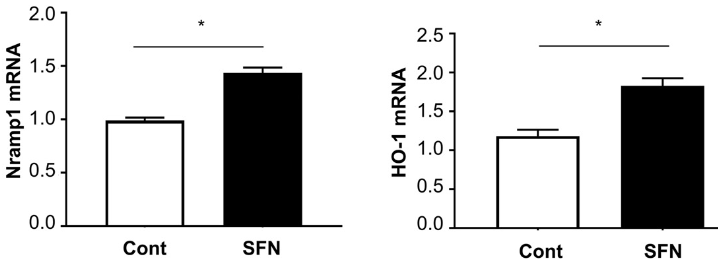
Treatment with sulforaphane (SFN) decreases Mycobacterium growth upregulating the expression of Nramp1 (natural resistance-associated macrophage protein 1, a susceptibility gene for pulmonary nontuberculous mycobacteria disease) and HO-1 (heme oxygenase 1). Mycobacterial counts in the lung, liver, and spleen were reduced after SFN treatment.

These results indicate that Nramp1 and HO-1, regulated by Nrf2, are essential in defending against MAC infection due to the promotion of phagolysosome fusion and granuloma formation, respectively. Nrf2 is thought to be a critical determinant of host resistance to MAC infection.”

https://mbio.asm.org/content/12/1/e01947-20 “Nrf2 Regulates Granuloma Formation and Macrophage Activation during Mycobacterium avium Infection via Mediating Nramp1 and HO-1 Expressions”


One step short of greatness

A 2021 rodent study investigated dietary effects of organic and conventional farming practices:

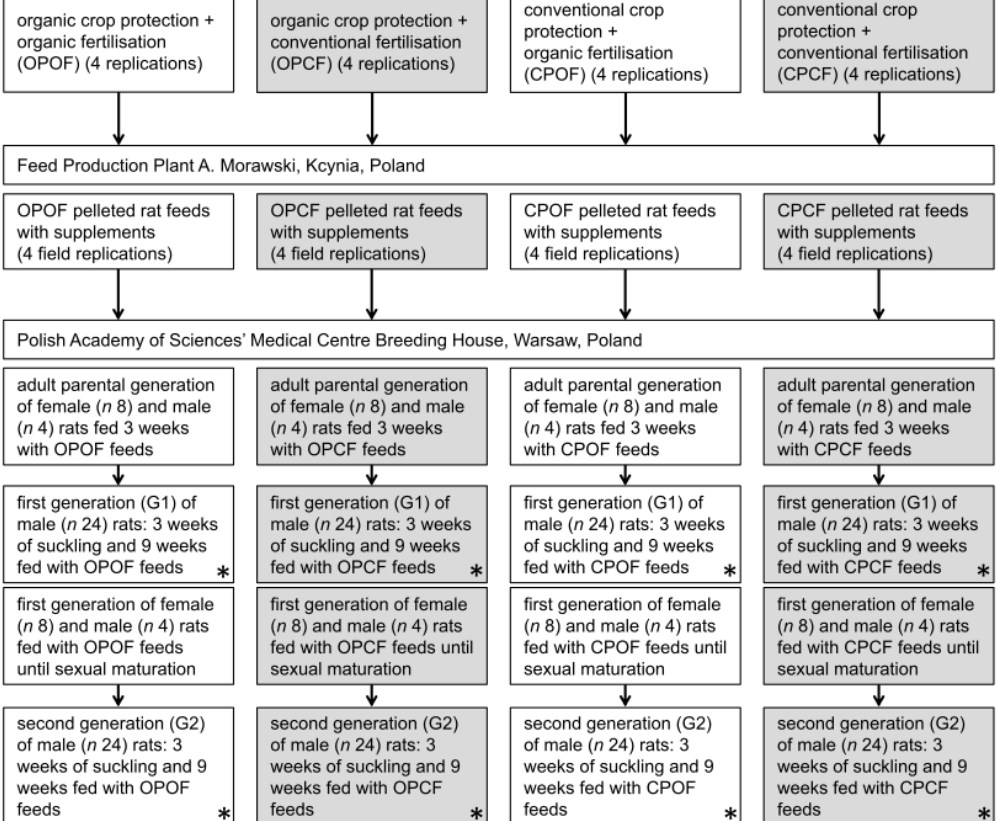
“We report results from a two-generation, dietary intervention study with male Wistar rats to identify the effects of feeds made from organic and conventional crops on growth, hormonal, and immune system parameters that are known to affect the risk of a number of chronic, non-communicable diseases in animals and humans.

Conventional, pesticide-based crop protection resulted in significantly lower fiber, polyphenol, flavonoid, and lutein, but higher lipid, aldicarb [a pesticide], and diquat [a herbicide] concentrations in animal feeds.

Conventional, mineral nitrogen, phosphorus and potassium (NPK)-based fertilization resulted in significantly lower polyphenol, but higher cadmium and protein concentrations in feeds.

Growth and other physiological parameters were only monitored for 9 weeks after weaning. It was therefore not possible to determine whether and to what extent:

  1. Differences in feed composition;
  2. Dietary intakes of compounds previously linked to obesity and chronic diseases; and/or
  3. Changes in endocrine and immune parameters in rats raised on feed crops treated with mineral fertilizers and/or pesticides,

would have resulted in higher levels of weight gain and/or diseases linked to obesity, endocrine disruption and/or changes in immune system activity/responsiveness.”

https://www.mdpi.com/2072-6643/13/2/377/htm “Feed Composition Differences Resulting from Organic and Conventional Farming Practices Affect Physiological Parameters in Wistar Rats—Results from a Factorial, Two-Generation Dietary Intervention Trial”


I’m always fascinated when researchers intentionally stop one step short of greatness.

It seems a main purpose of this study was to justify a 2013 study by these researchers on pretty much the same subject. The current study had a defined F0 generation, and four different F1 generations and F2 generations.

This study stopped without continuing to any F3 generations.

  • The F1 F2 OPOF line in the above graphic’s first column didn’t eat chow produced with either synthetic chemical pesticides or conventional fertilizers.
  • This line could have continued on to transgenerational great-grand offspring who would have had no direct exposure to the F0 generation’s conventionally fertilized and “protected” crop diet.
  • By continuing, these researchers could have found out what transgenerationally inherited effects on the F3 generation there may be from the F0 generation eating a conventionally-produced diet.
  • Anything found in this line’s F3 great-grand offspring may have applied to humans.

Do we ever consider our great-grandchildren?

A PhD in oats

The lead researcher of Eat oat sprouts for AVAs‘s second study made their PhD thesis freely available. It’s still informative 13 years later:

“The main objective of this research project was to obtain new knowledge on how to treat raw oat material of oat-based products in order to sustain or even increase levels of endogenous phenolic compounds, with emphasis on avenanthramides, in the final food product. Germination of oats proved to be a potential processing method for use on oats since it is relatively easy to perform, although time-consuming.”

Which of these may be better for you? 44.1 grams of 4-day-old hulless oat sprouts at the top:

Or 53.2 g of 3-day-old hulled oat sprouts at the bottom?

They both started from 20.0 g seeds, and germinated the same way up through three days. 20 grams was over 1,300 hulled oat seeds, and close to 700 hulless oat seeds.

3-day-old hulled oat sprouts taste better, have a higher germination rate, and supply more quantity of their nutrients by weight. Characteristics of hulls from the thesis:

“The hull constitutes on average approximately 25% of the total grain weight. Protein, oil, starch and water-soluble carbohydrate levels are overall relatively low.

A large number of bioactive phenolic compounds can be found, among them p-coumaric acid, ferulic acid, vanillic acid, tricin and avenanthramides. Hull constituents remain unaffected during germination.

Activity of β-glucanase increases during germination of oats, resulting in almost total degradation of β-glucan. Since β-glucan is known to have health beneficial effects in humans, degradation during germination is not desirable if oats are intended for use in food products rather than for brewing.”

I’m not going to deal with hulls. Humans can’t digest oat hulls anyway.

A case for 4-day-old hulless oat sprouts:

“Germination of oats can be a good method to sustain or increase avenanthramides and other potentially health beneficial phenolic compounds. Levels of avenanthramides can increase during germination, sometimes to a high degree.

There was no indication that the increase in avenanthramide content had reached a plateau for any cultivars at 120 h of germination, indicating that further increase could take place.

Total protein content in oats increases slightly during germination. Even though the increase is small, it is important, since essential amino acids lysine and tryptophan increase and therefore improve nutritional value.

Lipid content in oats decreases slightly during germination while content of free fatty acids increases, although there are differences between cultivars as well as between hulled and hulless cultivars.”

Eat oat sprouts for AVAs

Here are three oat studies, two of them specifically on oat sprouts. The first from 2019 was cited in Don’t brew oat sprouts – eat them! for oat sprouts having “up to 25-fold increase” in avenanthramides (AVAs):

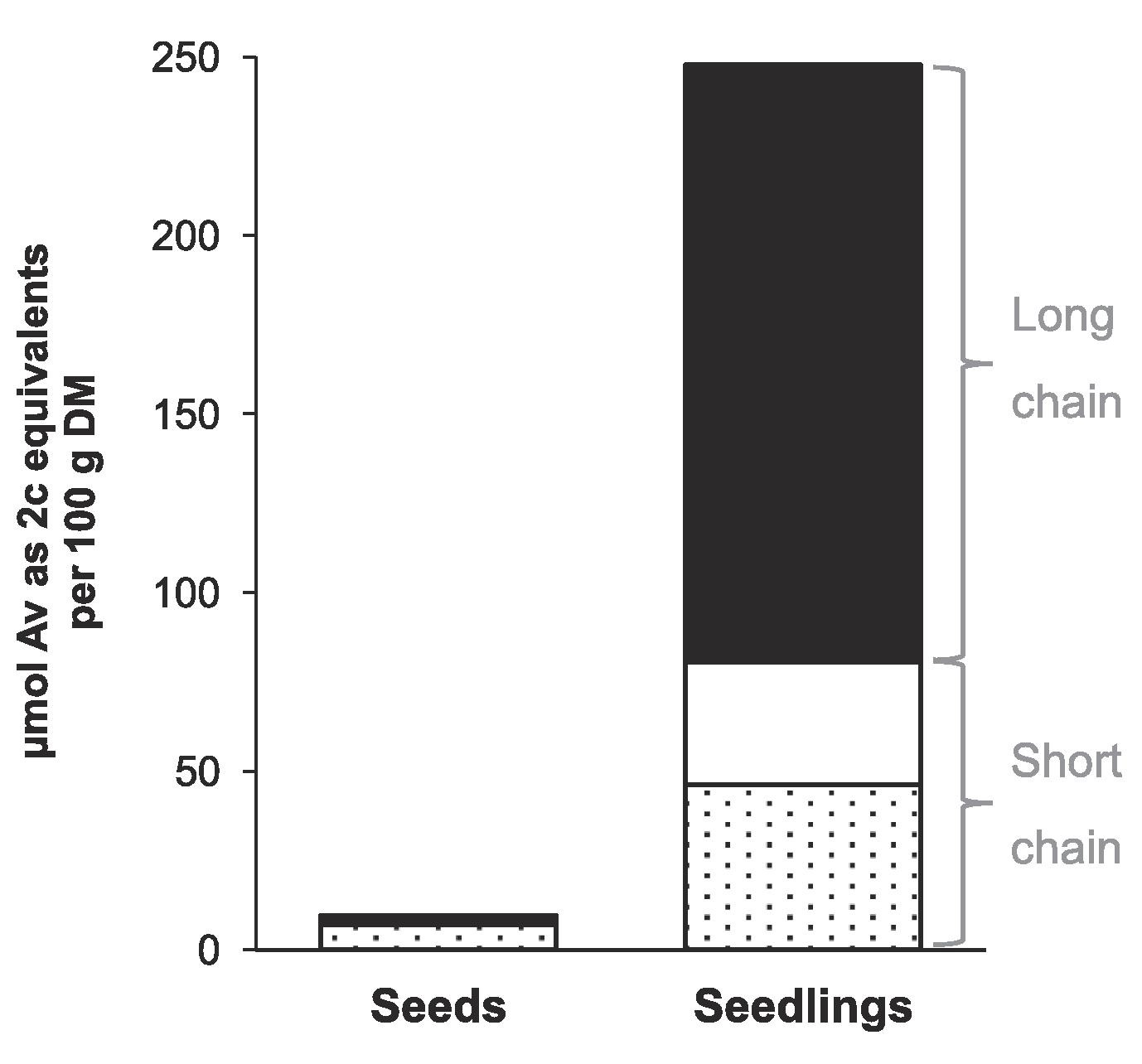
“Oat seeds were germinated, extracted, and analysed, finding 28 unique AVAs. AVAs 2p, 2c, and 2f, which are commonly described as the major AVAs, represented less than 20% of total content in seedlings.

The germinator program was: soak for 20 h at 20 °C (aeration 1 min every 10 min), followed by germination for 72 h at 25 °C (RH ≥ 99%). After the first 72 h of germination, oat seedlings were incubated for another 96 h at 30 °C (RH 70–80%).

AVA content was boosted by germination, resulting in around 25 times larger quantities found in oat seedlings.
Previous studies also showed an increase in AVA content upon germination, but to a lesser extent than in our current experiment. It used different growth conditions, namely a shorter soaking time (10–14 vs. 20 h) and their seed germination phase was performed at lower temperature and different duration (120 h at 16 °C or 72 h at 20 °C vs 96 h at 30 °C).

Additionally, they quantified AVAs 2p, 2c, 2f, and 3f but also observed a large number of unknown peaks in the UV 340 nm chromatogram. Based on the wide variety of AVAs annotated in our work, many of these peaks probably corresponded to other AVAs, but they were not identified and quantified as such.”

https://www.sciencedirect.com/science/article/pii/S0308814618319411 “Mass spectrometric characterisation of avenanthramides and enhancing their production by germination of oat (Avena sativa)”

No measurements were taken at three days when germination parameters changed. These researchers didn’t bother to take any samples between Hours 0 and 168. This lack of germination-stage evidence limited findings’ utility to other researchers.

Was this study designed to create a headline rather than useful germination-stage information? Why obliquely and directly fault another study in the Abstract, Results and Discussion, and Conclusion sections for being performed more than a decade earlier, without subsequent advancements in science and technology?

Contrast this study’s design with 2020 Oat sprouts analysis which took measurements under 18 different conditions (hulled / dehulled seeds of two oat varieties, for 1-to-9 days, at 12-to-20°C). Those researchers produced evidence to support many further studies, such as:

“Presence / absence of hull might determine different effects of germination conditions on α-amylase, protease, and lipase activities.”


The referenced disparaged 2007 study:

“..investigated the effect of a steeping and germination process, using a pilot plant malting system, on content of AVAs and other phenolic compounds. This was performed to gain a more collective and comparative picture of what happens to phenolic compounds in the oat kernel during germination.

Steeping and germination was performed at two different temperatures, 16 and 20°C. Three closely related North American covered oat cultivars were steeped to 45% moisture, which took 10, 12, and 14 h for Vista, Gem, and Dane, respectively.

After steeping, oat grains were drained and samples were germinated at 16°C for 120 h or at 20°C for 72 h (due to a machine breakdown, the 20°C experiment had to be stopped at 72 h of germination). Sampling during germination was carried out at set hours (for 16°C at 12, 24, 48, 72, 96 and 120 h and for 20°C at 12, 24, 48 and 72 h).
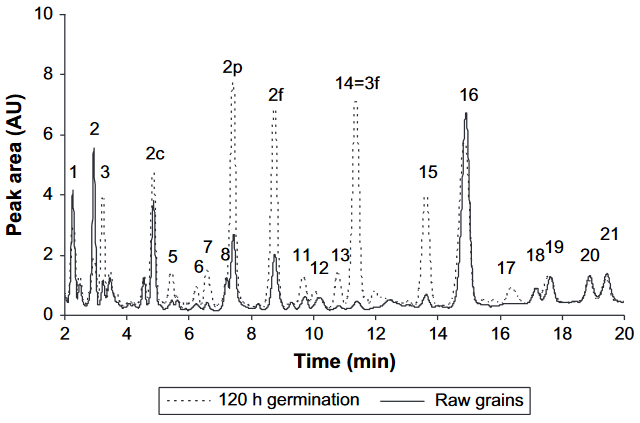
Chromatogram of AVAs and other phenols from cultivar Dane (16°C treatment). Peaks for AVAs 2c, 2p, 2f and 3f are identified. Unknown peaks are numbered in order of appearance (from 1-21). For isolation and identification of AVA 3f the commercial product SPC-flakes, purchased in a health food shop, was used.

An increase in AVA content of germinated seeds, as compared to raw grains, was observed for Dane (125%, p < 0.001) and for Vista (29%, p = 0.007). HHT [avenanthramide-synthesizing enzyme] activity increased 62% (p = 0.014) in Dane, whereas no change was detected in Vista and Gem. This increase started early in germination to reach its maximum at 96 h of germination.

Effects of temperature on AVAs 2c, 2p and 2f, and activities of HHT and PO, was less important than time of steeping, or time of germination, or cultivar. However, almost all unknown compounds were affected by temperature, indicating the importance of this factor.”

https://www.sciencedirect.com/science/article/abs/pii/S0733521007001762 “Avenanthramide content and related enzyme activities in oats as affected by steeping and germination” (not freely available)

This study’s HHT (avenanthramide-synthesizing enzyme) maximum-at-96-hours finding may be what I tasted in Sprouting hulless oats, where that variety’s sprouts improved their sweetness and enzymes between Days 3 and 4. Did an extra day improve AVA content?

So their pilot malting system broke down. They had to get an analysis standard from a health food store. And there were many unknowns due to 2007 science and technology.

Despite difficulties, germination-stage samples produced evidence and analyses other people could use more than a decade later.


A 2020 study cited the first study for basic, not headline, information:

“There are various potential mechanisms for AVAs anti-inflammatory effects, including inhibition of lipoxygenases (LOX), which catalyse oxygenation of polyunsaturated fatty acids into potent signal molecules involved in inflammatory processes.

It was found that AVAs comprising caffeic or sinapic acid exhibited significant lipoxygenase inhibition (60–90%), whereas low or no inhibition was observed with AVAs containing p-coumaric or ferulic acid.

Corresponding free cinnamic acids, AVA analogue Tranilast® and LOX inhibitor trans-resveratrol were included for comparison. Trans-resveratrol showed inhibition, whereas no difference in inhibition was seen on comparing AVAs with their free corresponding cinnamic acids, which implies that the anthranilic acid part of the avenanthramide molecule does not affect inhibition.

Whether dietary AVAs at intake levels normally achieved through consumption of oat products exert LOX inhibitory activity in vivo, and thereby inhibit production of pro-inflammatory compounds, remains to be elucidated. In this context it may also be of importance to emphasize that lipid content in groats of various oat cultivars is comparably high (49–135 g kg−1) and that LA [linoleic acid (C18:2, n-6)] and ALA [α-linolenic acid (C18:3, n-3)] comprise about 40% and 1%, respectively, of fatty acids.

Consumption of oats has been linked to a decreased risk of several chronic diseases, and AVAs contribute to protective effects. This study suggests that avenanthramides comprising caffeic acid or sinapic acid partly exert their antioxidant and anti-inflammatory effects via lipoxygenase inhibition.”

https://www.sciencedirect.com/science/article/pii/S2405844020311488 “Avenanthramides as lipoxygenase inhibitors”


Tampa’s Riverwalk

Don’t brew oat sprouts – eat them!

This 2020 study chemically analyzed four grains and their brew-processing products:

“Side-stream products of malting, particularly rootlet, are currently treated as animal feed. Instead of ending up in final products (e.g., malt and beer), a substantial portion of phytochemicals end up in side streams.

Rootlets are being increasingly investigated to overcome their bitter taste and to unleash their potential. Adding the fact that side-stream products produced in high quantity are also rich in protein, their nutritional value may be too high to justify usage as feed rather than food.

Grains were steeped for 26 to 30 h with a wet–dry–wet steeping program. Oats were wet steeped for 4 h at 13 °C before and after 18 h of dry steeping at 15 °C.

All grains were germinated for 6 days at 15 °C, after which they were dried with a gentle kilning program to a final temperature of 83 °C and moisture of 4%. Rootlets were separated from malt after drying.

Statistically significant changes occurred in abundance of all 285 annotated phytochemicals during malting, when comparing whole grain with malted grain or rootlet. In oats, cumulative levels of avenanthramides increased by 2.6-fold in the malted grain compared to intact whole grain. Up to 25-fold increase has been reported previously after a slightly longer germination.

Phenolamides cumulative levels in oats increased in both malted grain (11-fold) and rootlet (50-fold). Cumulative flavonoid levels were nearly 3-fold higher in malted grain and rootlet compared to whole grain.

Avenanthramides and phenolamides had much lower extractability into the water extract and wort.

To our knowledge, this is the first time avenanthramides are reported from any other species than oats, suggesting that the synthesis pathway for avenanthramides evolved before oats diverged from the other cereals. Furthermore, benzoxazinoids are herein reported for the first time in oats.

Several previously uncharacterized saponins were found in oats in addition to the previously known avenacins and avenacosides. However, because of limited reference data currently available, their identity could not be determined beyond compound class and molecular formula in this study.

Plants can synthetize up to hundreds of thousands of secondary metabolites, and current spectral databases only contain a fraction of them to allow identification. Compounds found in this study do not represent the complete range of phytochemicals existing in cereals.”

https://www.nature.com/articles/s41538-020-00081-0 “Side-stream products of malting: a neglected source of phytochemicals”


Twice a day for six weeks I’ve eaten oat sprouts 3-to-6-days old from two species and three varieties. I’ve never noticed any “bitter taste” of rootlets mentioned.

Maybe “a final temperature of 83 °C and moisture of 4%” had something to do with it? Oat sprouts I ate never got above 25°C, and I doubt their moisture content was < 80%.

Maybe “Oats were wet steeped for 4 h at 13 °C before and after 18 h of dry steeping at 15 °C” gave oat sprouts a bitter taste? I process oat sprout batches the same way I do broccoli sprout batches. A new batch soaks to start germination every 12 hours, then is rinsed three times every 24 hours on a 6 hours – 6 hours – 12 hours cycle. Temperature in my kitchen is 21°C (70°F) because it’s winter outside.

The above graphic is a heat map of 29 studied C-type avenanthramides. Don’t know why 26 known A-type avenanthramides described in Eat oats today! weren’t analyzed. The second study of Sprouting oats stated:

“There is a higher concentration of A-type AVAs [avenanthramides] than C-type AVAs in sprouted oats.”

Reference 33’s “up to 25-fold increase” is curated in Eat oat sprouts for AVAs.