An interview with Dr. Rachel Yehuda on biological and conscious responses to stress

How Trauma and Resilience Cross Generations

“The purpose of epigenetic changes, I think, is simply to increase the repertoire of possible responses.

So let’s say, for some reason, your parents transmitted to you biologic changes that are very appropriate to starvation, but you don’t live in a culture where food is not plentiful.

You’re just not optimized, but I think that if we develop an awareness of what the biologic changes from stress and trauma are meant to do, then I think we can develop a better way of explaining to ourselves what our true capabilities and potentials are.


What I hear from trauma survivors — what I’m always struck with is how upsetting it is when other people don’t help, or don’t acknowledge, or respond very poorly to needs or distress.


Feel it instead of running to someone to give you a sleeping pill.”

Transcript: http://www.onbeing.org/program/rachel-yehuda-how-trauma-and-resilience-cross-generations/transcript/7791

Is the purpose of research to define opportunities for interventions?

In this 2014 review, a social scientist first presented an interpretive history of what he found to be important in the emergence of epigenetics. He proceeded into his ideas of “a possible agenda of the social studies of the life-sciences” in the “postgenomic age” with headings such as “Postgenomic biopolitics: “upgrade yourself” or born damaged for ever?”

This perspective included:

“The upgradable epigenome may become the basis for a new motivation to intervene, control and improve it through pharmacological agents or social interventions.

An important trend is the use of epigenetic and developmental findings in the so-called early-intervention programmes.

It is possible that epigenetic findings will become increasingly relevant in social policy strategies.”


In this blog I often highlight research that may help us understand details of how each of us is a unique individual. It’s my view that insofar as research helps each of us understand our unique, real self, we may be able to empathetically understand others’ unique qualities.

Click individual differences for a sample of how researchers explain away uniqueness in order to converge on a study’s desired objectives. There’s seldom an attempt to further understand what caused each subject to develop their unique qualities.

Why would this reviewer advocate that

  • Researchers,
  • People working in the social sciences,
  • People employed or involved in social services, and
  • Their sponsors and employers

intentionally disregard another individual’s unique qualities?

I’ll answer this question from a perspective that explains how this common, reflexive action derives from a person being unable to face the facts of their own life. Pertinent fundamentals of Dr Arthur Janov’s Primal Therapy are:

  1. Pain motivates a person’s unconscious act-outs of their underlying problems.
  2. The behavior that caused a problem is sometimes also the act-out behavior.
  3. Act-outs enable a person to re-experience the feelings of their historical struggles, in a vain attempt to resolve them.
  4. Due to pain barriers, people seldom become consciously aware of and – more importantly – address the causes for their own problematic behavior.
  5. “The patient has the power to heal himself.”

A consequent hypothesis is that a person will often glorify their unconscious act-outs and surround themself with justifications for these actions. For example, a person who can’t sit still may refer to their incessant activity with socially acceptable phrases such as “I’m always busy” or “I love to travel.” They’ll structure their life to enable their unconscious behavior, never questioning how they were attracted to an always-on-the-go occupation such as flight attendant, only vaguely feeling that they were made for it.

The behavior relevant to the current review may be exhibited by a person with a history of having no control over their own life. Following the above first two fundamentals, the pain of historically not having control over their life may motivate them to control other people’s lives.

Unfortunately for everyone who’s affected, such unconscious act-outs don’t resolve anything:

  1. The initiator may achieve some symbolic satisfaction by controlling others’ lives.
  2. This temporary satisfaction doesn’t make the initiator’s underlying problems less painful.
  3. The motivation impelling these unconscious act-outs isn’t thereby reduced.
  4. So the initiator soon repeats their controlling behavior, stuck in a loop of unresolved feelings.
  5. Since the self-chosen interests of someone who’s being controlled are lesser concerns to the initiator than exercising control, the controlled person may or may not be helped by the controller’s act-outs.

Research provides abundant evidence that we are unique individuals.

This is a strong indicator of who is best qualified to direct each of our unique lives.

A person who is driven to control others’ lives won’t accept epigenetic research as instructive for understanding, honoring, and respecting others as unique individuals. They’ll use research as a way to enable their own unconscious act-outs, and view it as offering opportunities for interventions into the lives of others.

This is the way that “pharmacological agents or social interventions” are often the intended “use of epigenetic and developmental findings.” Interventions receive justifications with “a possible agenda of the social studies of the life-sciences.”

Becoming aware of one’s own act-outs – and then individually addressing one’s own underlying problems – often take backseats to employment and other concerns to keep enabling one’s own behavior. That makes it likely that interventions justified by “epigenetic findings..in social policy” will continue, whether or not the subjects agree that they’re being helped.

For examples, take a look at a few of the YouTube presentations by people employed in the social sciences and social services on a topic of epigenetics. Compare them with the current state of epigenetic research in Grokking an Adverse Childhood Experiences (ACE) score.

What did you notice? How many presentations emphasized disrupted prenatal development – a period when problems can be prevented? Did you instead see that many more of the presentations emphasized controlling behavior?

http://journal.frontiersin.org/article/10.3389/fnhum.2014.00309/full “The social brain meets the reactive genome: neuroscience, epigenetics and the new social biology

What can cause memories that are accessible only when returning to the original brain state?

This 2015 French rodent study found:

“Memories can be established and maintained without de novo protein synthesis and that experimental amnesia may not result from a disruption of memory consolidation/reconsolidation.

Posttraining/postreactivation treatments induce an internal state, which becomes encoded with the memory, and should be present at the time of testing to ensure a successful retrieval.

This integration concept includes most of the previous explanations of memory recovery after retrograde amnesia and critically challenges the traditional memory consolidation/reconsolidation hypothesis, providing a more dynamic and flexible view of memory.”

From Neuroskeptic’s analysis of the study:

“A different drug, lithium chloride, produces the same pattern of effects – it blocks ‘reconsolidation’, but this can be reversed by a second dose at the time of recall. However, lithium chloride is not an amnestic [a drug that blocks memory formation] – it doesn’t block protein synthesis. Rather, it causes nausea.

The implication of the lithium experiment is that any drug that causes an ‘internal state change’, even if it’s just nausea, can trigger state-dependent memory and behave just like an ‘amnestic’.”


As this study may apply to humans, a drug wouldn’t necessarily be required to “induce an internal state.” If the findings of studies such as Are 50 Shades of Grey behaviors learned in infancy? extend to humans, an emotional or physical experience may be sufficient to produce a state-dependent memory. For example, A study that provided evidence for basic principles of Primal Therapy found, albeit with rodents and use of a drug:

“Fear-inducing memories can be state dependent, meaning that they can best be retrieved if the brain states at encoding and retrieval are similar.”

Memories triggered while in a brain state reentered through an emotion or a physical reaction are experienced by Primal Therapy patients and observed by therapists every day. However, as mentioned in What scientific evidence can be offered for Primal Therapy’s capability to benefit people’s lives? there’s a difficulty in developing human evidence for such state-dependent emotional memories.

Standard procedures would use human subjects and control groups in a way that retrieved memories according to the researchers’ schedule and experimental parameters. In order for the retrieval of an emotional memory to be therapeutic, though, the methods of an experiential therapy such as Dr. Arthur Janov’s Primal Therapy leave the timing of entering a triggering brain state up to the patient.

When a brain state protects a human emotional memory from being accessed, it probably wouldn’t be therapeutic to:

  • Force a return to that brain state, and thereby
  • Remove the memory’s protection, then
  • Retrieve and re-experience the memory

just for the sake of research.

The evidence for retrieving and re-experiencing a state-dependent memory lies mainly within the individual’s experiences.

A challenge is to find innovative ways to document human evidence for state-dependent emotional memories while ensuring a therapeutic process.

http://www.jneurosci.org/content/35/33/11623 “Integration of New Information with Active Memory Accounts for Retrograde Amnesia: A Challenge to the Consolidation/Reconsolidation Hypothesis?”

A study that provided evidence for basic principles of Primal Therapy

This 2015 Northwestern University rodent study found:

“Fear-inducing memories can be state dependent, meaning that they can best be retrieved if the brain states at encoding and retrieval are similar.

Memories formed in a particular mood, arousal or drug-induced state can best be retrieved when the brain is back in that state.

‘It’s difficult for therapists to help these patients,’ Radulovic said, ‘because the patients themselves can’t remember their traumatic experiences that are the root cause of their symptoms.’

The best way to access the memories in this system is to return the brain to the same state of consciousness as when the memory was encoded.”

The study demonstrated one method of activating neurobiological pathways with a drug to remove a hippocampal memory’s protection, which played a part in enabling subjects to relive their remembered experiences. This rodent study’s methods weren’t designed to therapeutically access similarly protected memories with humans.

From the Northwestern press release:

“There are two kinds of GABA [gamma-Aminobutyric acid] receptors. One kind, synaptic GABA receptors, works in tandem with glutamate receptors to balance the excitation of the brain in response to external events such as stress.

The other population, extra-synaptic GABA receptors, are independent agents.

If a traumatic event occurs when these extra-synaptic GABA receptors are activated, the memory of this event cannot be accessed unless these receptors are activated once again.

‘It’s an entirely different system even at the genetic and molecular level than the one that encodes normal memories,’ said lead study author Vladimir Jovasevic, who worked on the study when he was a postdoctoral fellow in Radulovic’s lab.

This different system is regulated by a small microRNA, miR-33, and may be the brain’s protective mechanism when an experience is overwhelmingly stressful.

The findings imply that in response to traumatic stress, some individuals, instead of activating the glutamate system to store memories, activate the extra-synaptic GABA system and form inaccessible traumatic memories.”

I’d point out that “can’t remember” and “inaccessible traumatic memories” phrases used above were in reference to what’s usually called “memory” i.e., a recall initiated by the cerebrum.


The study’s findings should inform memory-study researchers if they care to understand how emotional memories can be formed and re-experienced.

The study provided evidence for fundamentals of Dr. Arthur Janov’s Primal Therapy, such as:

  • Experiences associated with pain can be remembered below our conscious awareness.
  • The retrieval and re-experiencing of emotional memories can engage our lower-level brain areas without our higher-level brain areas’ participation.

The obvious nature of this study’s straightforward experimental methods made me wonder why other researchers hadn’t used the same methods decades ago.

Use of this study’s methodology could have resulted in dozens of informative follow-on study variations by now, and subsequently found whether subjects’ physiological, behavioral, and epigenetic measurements differed from control group subjects, as in:

“miR-33 is downregulated in response to gaboxadol [the drug used to change subjects’ brain state] and modulates its effects on state-dependent fear.”


See Resiliency in stress responses for abstracts of three follow-on papers by these researchers.

http://www.nature.com/neuro/journal/v18/n9/full/nn.4084.html “GABAergic mechanisms regulated by miR-33 encode state-dependent fear”

MP3 with lead researcher Dr. Jelena Radulovic: http://www.thenakedscientists.com/HTML/specials/show/20150825/

Leaky gates, anxiety, and grocery store trips without buying list items

An interview with Jeff Link, the editor of Dr. Arthur Janov’s 2011 book “Life Before Birth: The Hidden Script that Rules Our Lives” with Ken Rose:

“Even further confirmation for some of the views of Janov, that maybe weren’t widely accepted for a time, it’s new research now being done into memory and what a lot of scientist are seeing, a lot of different studies is that memory reactivates the same neuroimpulses that were initially firing off when the event happened.

So a traumatic event when you remember it, the act of remembering it is actually creating a neuromirror of what went on initially.

In a lot of ways that is what Primal Therapy is attempting to do; is to go back to that place and reconnect, or as it’s sometimes referred to, reconsolidate the brain state so that real healing can take place.”

Transcript (part 4 of 6): http://cigognenews.blogspot.com/2015/09/ken-rose-on-life-before-birth-part-46.html

MP3: http://www.pantedmonkey.org/podcastgen/download.php?filename=2011-12-15_1300_what_now_jeff_link.mp3

Reflections on my four-year anniversary of spine surgery

At age 55, I found out that I’d suffered for maybe 45 to 50 years from a childhood injury, and I didn’t know anything about it. It still seems unbelievable to me that I was physically ill for decades before I received a diagnosis.

As explained to me by two surgeons, the cause of my spondylolisthesis between L5 and S1 was a sudden injury sometime between ages 5 and 10. Here’s a further explanation:

“In children, spondylolisthesis usually occurs between the fifth bone in the lower back (lumbar vertebra) and the first bone in the sacrum (pelvis) area. It is often due to a birth defect in that area of the spine or sudden injury (acute trauma).

Other causes of spondylolisthesis include bone diseases, traumatic fractures, and stress fractures (commonly seen in gymnasts). Certain sport activities, such as gymnastics, weight lifting, and football, put a great deal of stress on the bones in the lower back. They also require that the athlete constantly overstretch (hyperextend) the spine.”

I played a lot of baseball when I was a kid growing up in Miami. I didn’t suffer from a birth defect or bone disease, play football before I was a teenager, do gymnastics, or lift weights.

I don’t remember a specific “sudden injury (acute trauma)” per the above explanation. Maybe I incurred the acute trauma that started my spondylolisthesis sliding into bases playing baseball. Maybe I incurred it playing in the other rough-and-tumble activities that I did as a boy.


Please stop at the first hint of any pain that you feel while reading the rest of this post. I don’t want to cause you pain.

I re-experienced while in Primal Therapy a day when I was seven or eight years old. A most exhilarating day, one that filled me with light and joy.

What brought on my elevated mood? It was the day I finally ran faster than my father did, and he couldn’t catch me to give me a beating as I ran out of the house.

My father never beat me on the sidewalk, the street, or the front yard anyway. That would make the abuse public.

My father’s job was assistant principal/dean of boys at West Miami Junior High School. He whipped boys with a thick belt or paddled them daily as part of his job requirements.

My father kept a wooden paddle with holes in it at home. For me.

I don’t remember that my three siblings ever received a paddling or belting, although they were spanked. I’ve remembered while in Primal Therapy that my younger sister and brother were spanked for crying.

I re-experienced the dread of waiting (in an exact place with visual details), waiting for my father to come home to administer a spanking or belting or paddling to me for some “transgression” my mother observed. She had dozens of rules of conduct for her children.

I re-experienced my early childhood feelings that my father’s punishments depended more on my mother’s mood than on what I did.

I re-experienced my early childhood feelings that I didn’t deserve the beatings. I didn’t deserve any beatings, not one!

My father continued, though, until I was around age 11 or so. I’m sure that the beatings were a factor in how I felt at age 12:

Suicidal. Needing to escape from my life.

When I was a child, I needed my parents’ love.

I re-experienced many times while in Primal Therapy the overwhelming hopelessness, helplessness, worthlessness, and betrayal when the people I needed to love me were cruel to me instead.


My parents knew what they did was wrong. Neither one of them ever told me that, though.

My father never apologized for beating me so much before he died 19 years ago. Even before he retired, 17 years before he died, the Miami-Dade County public school system stopped him and the rest of their employees from spanking, whipping, beating, and paddling children.

What could he even tell me to take away those experiences?

  • That he beat me as a child because he himself was beaten as a child?
  • That he couldn’t help it?
  • That how he and my mother frequently went out of their way to help me along in life after my childhood somehow made up for the beatings?

I’m certain that my father was beaten as a child. I bring this up not as a defense for what he did, but as part of my history, too.

It wasn’t enough for my father’s mother to beat me while she was babysitting my siblings and me at our parents’ house. I re-experienced crying as a five-year old when I was required to go cut off palm fronds from the tree in front of our house for her to use as a switch, and bring them to her.

It was a mark of my grandmother’s cruelty that she threatened to beat me with a broom handle when I tried to not participate in my own torment. I re-experienced exact places of my legs where she switched me with the palm fronds, giving me even more when I cried during the punishment.


These wounds left scars that haven’t gone away.

Run your hand down your spine until you reach the top of your sacrum. That’s the area on which I had surgery four years ago, where I now have a titanium cage, replacement disc, and two rods to keep the area stable.

I received a lot of beatings pretty close to that area. Maybe my boyhood activities didn’t cause the “sudden injury (acute trauma).”


I write frankly about my parents because that’s my history: the realities of who they were.

And the realities of who I needed them to be.

I express it because getting well has to address reality.

From Dr. Arthur Janov’s book, Primal Healing, page 133:

“Another cognitive technique is to help the patient understand and forgive his parents. ‘After all, your parents did the best they could. They had a pretty tough childhood too.’ ‘Oh yes, I understand. They did have it tough and I do forgive’ comes forth from the left side. Still, of course, the right side is crying out its needs and its pain, and will go on with its silent scream for the rest of our lives.

There is no way around need.

‘Forgiveness’ is an idea that has no place in therapy.

We are not here to pardon parents; we are here to address the needs of patients, and what the lack of fulfillment did to them.

I regret to say that much of current therapy and particularly cognitive therapy is about a moral position; well hidden, couched in psychological jargon, but, at bottom, moralizing. The therapist becomes the arbiter of correct behavior.

After all, the therapist is trying to change the patient’s behavior toward some preconceived goal. That goal has a sequestered moral position.”
Words are neither the problem nor the solution

“Words are neither the problem nor the solution. They are the last evolutionary step in processing the feeling or sensation. They are the companions of feelings.

We cannot make progress on the third-line cognitive level alone. We can become aware of why we act the way we do but nothing changes biologically; it is like being aware of a virus and expecting the awareness alone to kill it. Our biology has been left out of the therapeutic equation.”

Janov’s Reflections on the Human Condition: On the Difference Between Abreaction and Feeling (Part 6/9).

Unconscious stimuli have a pervasive effect on our brain function and behavior

This 2015 Swedish human study, performed at the institution that awards the Nobel Prize in Physiology or Medicine, found:

“Pain responses can be shaped by learning that takes place outside conscious awareness.”

Images of neutral male faces were used as conditioning stimuli which the subjects were trained to associate with levels of pain.

The concluding sentence of the study:

“Our results demonstrate that conscious awareness of conditioned stimuli is not required during either acquisition or activation of conditioned analgesic and hyperalgesic responses, and that low levels of the brain’s hierarchical organization are susceptible for learning that affects higher-order cognitive processes.”

From the study’s abstract:

“Our results support the notion that nonconscious stimuli have a pervasive effect on human brain function and behavior and may affect learning of complex cognitive processes such as psychologically mediated analgesic and hyperalgesic responses.”


Principles of Dr. Arthur Janov’s Primal Therapy related to this study’s findings are:

  • Experiences associated with pain can be remembered below our conscious awareness.
  • Unconscious memories associated with pain, when activated, have varying forms of expression as they pass up through our levels of consciousness.
  • These memories, when activated, have effects on our feelings, thinking, health, brain functioning, and behavior that are usually below our conscious awareness.

I’ll use one of Dr. Janov’s 2011 blog posts, On Being Alone, to show an example of how the study’s findings of:

  • “Conscious awareness of conditioned stimuli is not required during either acquisition or activation of conditioned..responses” and
  • “Nonconscious stimuli have a pervasive effect on human brain function and behavior”

are seen through the lens of Primal Therapy:

Unconscious memories associated with the pain of being left alone may be stored, especially in the developing brain, in our lower brain areas below conscious awareness: “Pain of being left alone a lot in childhood and infancy, added to the ultimate aloneness right after birth when no one was there for the newborn. That imprints a primal terror where a naïve, innocent and vulnerable baby has no one to lean on, to be held by, to snuggle up to, to be comforted. To be loved.”
As we develop, the cumulative memories associated with the pain of being left alone, when activated, may affect our feelings, thoughts, and behavior: “And that also has multiple meanings: no one wants me; there is no one there for me: no one wants to be with me; I have no love and no one who cares. One races to phone others so as not to feel alone. One runs from the feeling and struggles mightily not to be alone. Or, depending on earlier events one stays alone out of that same feeling. These are by and large the depressives.”
Although memories associated with the pain of being left alone may be formed in our early lives, they remain decades later, and can be activated below our conscious awareness: “When something in the present occurs which is similar to an old feeling “I am all alone and no one wants me,” the old feelings are triggered off..and the whole feeling rises toward conscious/awareness where it must be combated. Either the person wallows in the feeling and is overwhelmed by it even when she doesn’t even know what “it” is. Or the compounded feeling drives the act-out, forcing the person into some kind of social contact.”

A PNAS commentary on the study stated:

“Pain, analgesia, and hyperalgesia represent higher-order cognitive functions.”

and attempted to draw conclusions from this reasoning.

The commentator was incorrect regarding pain. I didn’t see where this study showed or even postulated that pain was always a higher-order cognitive function. In fact, the researchers cited a sea slug study and stated:

“It would not be surprising if vestiges of simpler nonconscious processes would also be operative under some conditions.”

Maybe it would have provided clarifications if the researchers specifically defined “low” and “higher” used throughout the study in statements such as the closing sentence:

“Low levels of the brain’s hierarchical organization are susceptible for learning that affects higher-order cognitive processes.”

http://www.pnas.org/content/112/25/7863.full “Classical conditioning of analgesic and hyperalgesic pain responses without conscious awareness”


This post has somehow become a target for spammers, and I’ve disabled comments. Readers can comment on other posts and indicate that they want their comment to apply here, and I’ll re-enable comments.

Chaos – not balance – and competition for resources are the natural order

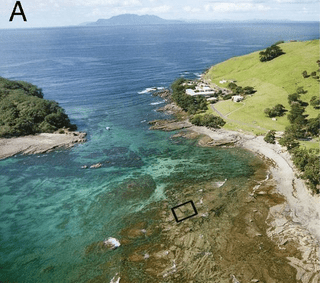
This 2015 Amsterdam/New Zealand/Cornell shore-life study found:

“Species abundances in natural ecosystems may never settle at a stable equilibrium.

Species in one of the world’s oldest marine reserves showed chaotic fluctuations for more than 20 years. The species replaced each other in cyclic order, yet the exact timing and abundances of the species were unpredictable.

Our findings provide a field demonstration of nonequilibrium coexistence of competing species through a cyclic succession at the edge of chaos.

Our findings show that natural ecosystems can sustain continued changes in species abundances.”

chaos

http://www.pnas.org/content/112/20/6389.full “Species fluctuations sustained by a cyclic succession at the edge of chaos”


The University of Amsterdam also participated in a 2013 study Evolution of microbial markets where evolutionary biologists studied microbes. Their related findings included:

“Cooperative interactions between individuals of different species.

Strategies important for microbes to optimize their success in potential biological markets:

  • (i) avoid bad trading partners;
  • (ii) build local business ties;
  • (iii) diversify or specialize;
  • (iv) become indispensable;
  • (v) save for a rainy day; and
  • (vi) eliminate the competition.”

A 2015 study How a well-adapted immune system is organized (the *.pdf file is linked because the html has errors) had a related finding that applied to our body’s immune system. The researchers found that the primary reason why each of our immune systems is unique is due to the effect of:

“Competition between receptor clones..NOT a biologically implausible centralized mechanism distributing resources system-wide.

The repertoire of lymphocyte receptors in the adaptive immune system protects organisms from diverse pathogens. A well-adapted repertoire should be tuned to the pathogenic environment to reduce the cost of infections.

Competitive dynamics can allow the immune repertoire to self-organize into a state that confers high protection against infections.”

Chaos and competition for resources are facts of life observed within ourselves and in nature from ocean life down to the microbe level.

Why are we often presented – as a fact of life – that what’s natural is for all aspects of our lives to be in balance? Emotional, economic, social, intellectual – you name it, we’re told that the natural model is one of “stable equilibrium.”


Two hypotheses of Dr. Arthur Janov’s Primal Therapy are relevant:

Trying for closure, though, becomes an act-out – a temporary fulfillment of a substitute need. But the underlying need remains unsatisfied, and soon drives further act-outs. Balance is never achieved.

With this viewpoint, can you see how behavior like the following shows the internal state of the actor as they attempt to thwart the natural reality of the situation?

  • A person in authority who demands that people cease their competition for a resource and instead, accept what the authority figure determines is fair and balanced. An example is limiting supplies with price controls after a disaster.
  • A person who disrupts cooperative behavior that provides a solution for the cooperators’ needs/wants and instead, interposes themselves in a directed solution. An example is requiring licenses for cooperative childcare.
  • A person who insists that peoples’ responses to chaos to form an optimal adaptation cease, and instead, conform to some other responses. An example is prohibiting free movement after a disaster.

It reveals even more about the internal states of people that the above examples become codified. Children are taught that the natural and solely acceptable way to behave is in accordance with these unnatural solutions.


There are some signs that unnatural solutions in society can be reversed. For example, here is a 2013 article about a UK village that benefited from removing all of its traffic signals and reverting to the natural order of human cooperation and competition.

At the individual level, though, it’s up to each one of us to recognize and reverse our unnatural states. We and the people around us will be pleased when we and they are no longer adversely affected by our unconscious act-outs that are driven by our internal states. There’s enough natural chaos without adding more with act-outs.

Our internal systems will suffer damage, for example, when our unconscious act-out is to be busy, always doing something, and we can’t relax. Stress adversely affects our internal systems until we understand and reverse the driving unnatural states.

Problematic research on suppressing unwanted memories

This 2014 French/UK human study found:

“Motivated forgetting mechanisms, known to disrupt conscious retention, also reduce unconscious expressions of memory, pointing to a neurobiological model of this process.”

There were multiple problems with this study.

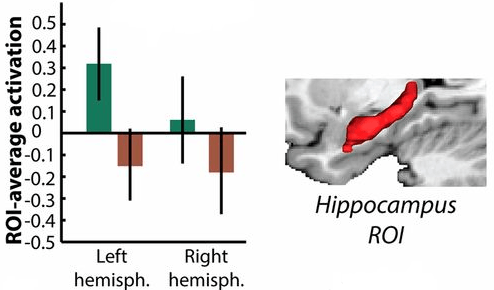
1. The researchers excluded emotional content, although the study involved areas of the brain involved in processing emotions:

roi

How could the study’s findings apply to:

“The distressing intrusions that accompany posttraumatic stress disorder

when emotional memories were excluded? It was an unsupported assertion for one of the researchers to state:

“The better understanding of the neural mechanisms underlying this process arising from this study may help to better explain differences in how well people adapt to intrusive memories after a trauma.”

2. The term “unconscious” was used 27 times, including in the title, without defining it. The cited studies defined “unconscious” several meaningfully different ways. How could the findings achieve validity when they contained an undefined term?

3. The experiments involved short-term memories and visual perception, and the subjects took longer to visually perceive objects that they had been directed to suppress than those that they had been directed to think about. However, the researchers didn’t show that these experimental results could be extrapolated into findings about long-term unconscious memories.

4. Data manipulation:

  • The researchers noted:

    “We did not observe less hippocampal activation during no-think than think trials.”

  • This data didn’t fit what they wanted to find, so they:

    “Restricted the search volume to anatomically defined regions of interest.”

  • They still couldn’t make their predetermined finding, so they discarded:

    “An outlier which compromised the significance of this effect.”

The above process didn’t support the statement that immediately followed:

“Thus, suppression robustly engaged the brain regions associated with memory control, and this was accompanied by reduced activation in the hippocampus.”

Didn’t the reviewer have something to say about these four problem areas?

It was a letdown to read the details of the study when its title held out such promise for informing us about the unconscious influence of memories. Per the Scientific evidence page, it would really help a person as a first step to become somewhat aware of their unconscious memories and feelings, especially when these are expressed through behavior.

http://www.pnas.org/content/111/13/E1310.full “Suppressing unwanted memories reduces their unconscious influence via targeted cortical inhibition”

Why do we cut short our decision-making process?

This 2014 Zurich study found that people adapt their goal-directed decision-making processes in certain ways.

First, the researchers found that the subjects usually acted as though the computational cost of evaluating all outcomes became too high once the process expanded to three or more levels. Their approach to a goal involved developing subgoals. For example, for a three-level goal:

“Level 3 was most frequently decomposed into a tree of depth 2 followed by a depth-1 tree.”

A level 3 tree had 24 potential outcomes (24 outcomes = 3*2x2x2) whereas a level 2 tree followed by a level 1 tree had 10 potential outcomes (10 outcomes = 2*2×2 + 1*2).

Second, the subjects memorized and reused subgoals after their initial formation. The researchers found that this practice didn’t produce results significantly different than the optimal solutions, but that could have been due to the study’s particular design. The design also ensured that the subjects’ use of subgoals wasn’t influenced by rewards.

Further:

“It is known that nonhuman primate choices, for instance, depend substantially on their own past choices, above and beyond the rewards associated with the decisions. Similar arguments have been made for human choices in a variety of tasks and settings and have been argued to be under dopaminergic and serotonergic control.”

Third, ALL 37 subjects were unwilling to evaluate decisions that had initial large losses, even if they could see that the path to reach the optimal solution went through this loss outcome! The researchers termed this behavior “pruning” and stated:

“Pruning is a Pavlovian and reflexive response to aversive outcomes.”

The lead author relied on a previous study he coauthored to elaborate on the third finding. One statement in the previous study was:

“This theory predicts excessive pruning to occur in subjects at risk for depression, and reduced pruning to occur during a depressive episode.”

The current study’s subjects were screened out for depressive conditions, though. They were somewhat conditioned by the study design, but not to the extent where their behavior could be characterized as Pavlovian responses.

Fourth, the subjects’ use of larger subgoals wasn’t correlated to their verbal IQ.


So, what can we make of this research?

  1. Are shortcuts to our decision processes strictly a cerebral exercise per the first and second findings?
  2. Do we recycle our decision shortcuts like our primate relatives, uninfluenced by current rewards?
  3. Or is it rewarding to just not fully evaluate all of our alternatives?
  4. Do all of us always back away from decisions involving an initial painful loss, even when we may see the possibility of gaining a better outcome by persevering through the loss?
  5. Is it true that we excessively cut decision processes too short – such that many of our decisions are suboptimal – when we’re on our way to becoming depressed?
  6. Are we overwhelmed when depressed such that we don’t summon up the effort to cut short or otherwise evaluate decisional input?

Let me know your point of view.

http://www.pnas.org/content/112/10/3098.full “Interplay of approximate planning strategies”

How do we assess “importance” in our lives? An example from scientists’ research choices

This 2015 Virginia study found that scientists preferred research projects that had the potential to make:

“Deeper vs. broader contributions.

The scientists surveyed considered a hypothetical broader study, compared with an otherwise-comparable deeper study, to be riskier, a less-significant opportunity, and of lower potential importance.”

What were underlying motivations for subject scientists to become the Big Frogs in tiny puddles?

For example, if scientists recognized that there was an opportunity to positively influence a great number of human lives with a “broader” study, such as the hunger research proposed in Do the impacts of early experiences of hunger affect our behavior, thoughts, and feelings today? why would they prefer a “deeper” study such as starving fruit flies?


These researchers said that “scientists’ personal dispositions” accounted for this finding. I agree, but not for any of the specific reasons they stated.

Subjects’ “lower potential importance” judgments were key, and bear closer examination. The study’s supplementary material showed this consideration was made on a sliding scale in response to a question:

“Would you describe Project A (B) as potentially very important?”

The “lower potential importance” finding was an accumulation of each scientist’s personal judgment of a project described as:

“A broad project that spans several topical domains, including at least one that coincides with your area(s) of expertise and interest.

compared with:

“A focused and specialized project that fits your particular interests and leverages your deep expertise in a specific area.”

Weren’t personal judgments of the hypothetical project’s “potentially very important” aspect how each scientist predicted the project would make them feel important?

Given vague project descriptions in above quotations, I assert that their judgments’ contexts were “important to me” rather than “important to science” or “important to society” or important to some other context.


A relevant hypothesis of Dr. Arthur Janov’s Primal Therapy that applies to the “lower potential importance” finding is: the need to feel important is a defense against feeling unimportant due to early experiences of neglect.

Using principles referenced in the hunger post, the need to feel important is:

  1. A derivative need;
  2. A substitute for an unfulfilled need; and
  3. Caused by the impact of an early unmet need.

A corollary is that if an infant didn’t have early experiences of neglect, and their early needs were met, they likely wouldn’t develop derivative needs such as the need to feel important as they progressed through childhood, adolescence, and adulthood.

Are people motivated to act like the scientists who were subjects of this study? Do we make career and personal choices based on whether or not our work and other people make us feel important?

See my Welcome page and Scientific evidence page for further elaborations of this topic.

http://www.pnas.org/content/112/12/3653.full “Different personal propensities among scientists relate to deeper vs. broader knowledge contributions”

Do the impacts of early experiences of hunger affect our behavior, thoughts, and feelings today?

This 2015 worldwide human study Hunger promotes acquisition of nonfood objects found that people’s current degree of hungriness affected their propensity to acquire nonfood items.

The researchers admitted that they didn’t demonstrate cause and effect with the five experiments they performed, although the findings had merit. News articles poked good-natured fun at the findings with headlines such as “Why Hungry People Want More Binder Clips.”

The research caught my eye with these statements:

“Hunger’s influence extends beyond food consumption to the acquisition of nonfood items that cannot satisfy the underlying need.

We conclude that a basic biologically based motivation can affect substantively unrelated behaviors that cannot satisfy the motivation.”

The concept of the quotes relates to a principle of Dr. Arthur Janov’s Primal Therapy – symbolic satisfaction of needs.


I stated two fundamentals of Primal Therapy in An agenda-driven study on beliefs, smoking and addiction that found nothing of substance:

  1. The physiological impacts of our early unmet needs drive our behavior, thoughts, and feelings.
  2. The painful impacts of our unfulfilled needs impel us to be constantly vigilant for some way to fulfill them.

Corollary principles of Primal Therapy are:

  • Our present efforts to fulfill our early unmet needs will seldom be satisfying. It’s too late.
  • We acquire substitutes now for what we really needed back then.
  • Acquiring these symbols of our early unmet needs may, at best, temporarily satisfy derivative needs.

But the symbolic satisfaction of derived needs – the symptoms – never resolves the impacts of early unfulfilled needs – the motivating causes:

  • We repeat the acquisition behavior, and get caught in a circle of acting out our feelings and impulses driven by these conditions.
  • The unconscious act-outs become sources of misery both to us and to the people around us.

In his book “Primal Healing” Dr. Arthur Janov gives two examples of critical periods only during which early needs can be satisfied:

  1. Being touched in the first months of life is crucial to a child’s development. The lack of close contact after the age of 5 wouldn’t have the same effect.
  2. Conversely, the need for praise at 6 months of age may not be essential, but it’s crucial for children at age 5.

As this study’s finding showed, there’s every reason for us to want researchers to provide a factual blueprint of causes for our hunger sensation effects, such as “unrelated behaviors that cannot satisfy the motivation.”

Why not start with hunger research? Objectives of the research should include answering:

  • What enduring physiological changes occurred as a result of past hunger?
  • How do these changes affect the subjects’ present behaviors, thoughts, and feelings?

Hunger research that would likely provide causal evidence for the effect of why people acquire “items that cannot satisfy the underlying need” should include studying where to start the timelines for the impacts of hunger. The impacts would potentially go back at least to infancy when we were completely dependent on our caregivers.

Infants can’t get up to go to the refrigerator to satisfy their hunger. All a hungry infant can do is call attention to their need, and feel pain from the deprivation of their need.

Is infancy far back enough, though, to understand the beginnings of potential impacts of hunger? The Non-PC alert: Treating the mother’s obesity symptoms positively affects the post-surgery offspring study referenced an older study of how the hunger of mothers-to-be had lifelong ill effects for the fetuses they carried during the Dutch hunger winter of 1944. The exposed children had epigenetic DNA changes from their mothers’ starvation, which resulted in relative obesity compared with their unexposed siblings.

Dr. Arthur Janov interview on his 2011 book Life Before Birth: The hidden script that rules our lives

Dr. Arthur Janov’s 2011 book “Life Before Birth: The hidden script that rules our lives” describes problems that start in the earliest parts of our lives, when epigenetic changes due to trauma in the womb affect our development.

“The science has changed. When I first started out 44 years ago, there was nobody who could understand it, or agree, especially the professionals. Now all, or a great deal of the current research, is backing up everything I say.

I’m saying that this therapy is really a matter of life and death now. I should probably start at the beginning and say that there’s trauma in the womb. We need to set back the clock so that we take account of trauma that occurs while our mother is carrying that has lifelong consequences for how long we live, for example. There’s a current research study that shows that as you get more traumatized in the womb, your life expectancy is much shorter.

When you get rid of the childhood pain that happened way back when – and there are ways to do it – you will live much longer. So truly, a proper therapy now is a matter of life and death. Not only because your life expectancy is shorter when you have trauma, but you get sick earlier, you have diabetes, Alzheimer’s, all kinds of diseases on your way to your death, which makes life very uncomfortable.

But that’s just part of what we do. The idea is that we found a way to take the pain out of the system, going all the way back. And what we’re finding is that pain starts way, way earlier than we thought.

I used to think that the greatest point was the birth trauma. Well that’s no longer true. Way before the birth trauma there are traumas from the smoking mothers, the anxious mothers, the depressed mothers, that have lifelong effects on the baby, the offspring.”

https://www.youtube.com/watch?v=dbUhjZhpEyct


This post has somehow become a target for spammers, and I’ve disabled comments. Readers can comment on other posts and indicate that they want their comment to apply here, and I’ll re-enable comments.

Dr. Arthur Janov Book Expo America 2008 Interview

“Our therapy is centered on needs.

As we grow up we have different kinds of needs.

The need right after birth is be touched.

The need at birth is to have a good birth with oxygen, etc.

Then it’s to be held, to be listened to, and so on.

For each of the needs that are not fulfilled, there’s pain.

And it’s registered on different levels of the brain.

What we have found a way to do is to go back down into the brain and take those pains out of the system.

So you don’t have to take pills to stuff it back.

What we do is, little by little, take the pain out of the system that is based on not-fulfilled needs.

So that’s basically what Primal Therapy is about.”