Perpetuating the meme that rodent PTSD experiments necessarily apply to humans

This 2015 Texas A&M rodent study found:

“Propranolol administration dampened the stress-induced impairment in extinction observed when extinction training is delivered shortly after fear conditioning.”

The researchers were way off base in extrapolating this study to humans:

“Propranolol may be a helpful adjunct to behavioral therapy for PTSD, particularly in patients who have recently experienced trauma.”

Would National Institutes of Health Grant R01MH065961 money have been available without perpetuating the meme that rodent PTSD experiments necessarily apply to humans? Or are a priori findings necessary in order to get research funded?

In rodent studies such as this one, the origins of both the disease and the “cure” are all exerted externally. But humans aren’t lab rats. We can perform effective therapy that doesn’t involve some outside action being done to us.

Studies such as Fear extinction is the learned inhibition of retrieval of previously acquired responses make clear that extinction is equivalent to suppression. “Behavioral therapy for PTSD” that suppresses symptoms can’t be a “cure” for humans since the original causes for the symptoms aren’t treated.

Even if this study’s recommendation to administer a drug applied to humans, neither drugs nor “behavioral therapy for PTSD” address the underlying causes.

http://www.pnas.org/content/112/28/E3729.full “Noradrenergic blockade stabilizes prefrontal activity and enables fear extinction under stress”

What could cause humans to have a unique sense of smell?

This 2015 Israeli human study found:

“Each person expresses a nearly unique set of different olfactory receptor genes, and therefore may have unique olfactory perception.”

From news coverage of the study, the researchers thought that their findings may be of use for:

“Smell-based social networks

A diagnostic tool for diseases that affect the sense of smell, such as Parkinson’s

A security biometric.”

The researchers attempted to link the subjects’ olfactory components to components of their immune systems. Since studies such as:

provided details on how our immune systems become unique, it would follow that this study’s subjects’ immune systems may have been the underlying cause for the findings.

However, in the study’s limitations paragraph, the researchers stated that this study didn’t demonstrate such causes:

“We did not directly measure genetic makeup.

Given that HLA [human leukocyte antigen genes that regulate our immune systems] captures self and olfactory fingerprints capture self, then there will be a link between HLA and olfactory fingerprints even if they are not the result of linked genes.”

Perhaps the causes for our “unique olfactory perception” will be researched in future studies.

http://www.pnas.org/content/112/28/8750.full “Individual olfactory perception reveals meaningful nonolfactory genetic information”

Interruptions to the circadian cycle negatively affect memory consolidation

This 2015 German rodent study found:

“The control of sleep and memory consolidation may share common molecular mechanisms.”

Somewhat counter to the “Enhanced memory consolidation” in the study’s title, the researchers also found:

“Elevated IGF2 [insulin-related growth factor 2] signaling in the long term, however, has a negative impact on cognitive processing.”

The IGF2 finding was in genetically altered mice that had their circadian rhythm permanently disturbed, however. The study didn’t clearly determine the contribution of other factors that could have contributed to the cognitive decline.


The study traced fear memories induced by stress through the cerebrum to the anterior cingulate cortex and hippocampus parts of the limbic system.

Researchers have no problems studying emotional memories in these brain areas with rodents. In human memory experiments, however, emotional content is consistently excluded, as if none of our memories had anything to do with our feelings.

http://www.pnas.org/content/112/27/E3582.full “Enhanced memory consolidation in mice lacking the circadian modulators Sharp1 and -2 caused by elevated Igf2 signaling in the cortex”

A study on alpha brain waves and visual processing that had limited findings

This 2015 Wisconsin human study found:

“Forming predictions about when a stimulus will appear can bias the phase of ongoing alpha-band oscillations toward an optimal phase for visual processing, and may thus serve as a mechanism for the top-down control of visual processing guided by temporal predictions.”

The researchers measured delta (1-4 Hz), theta (4-7 Hz), alpha (9-13 Hz), and low beta (15-20 Hz) brain waves. Their findings applied only to the alpha band in their experimental tasks, which excluded emotional content.

Brain waves studies such as Are hippocampal place cells controlled by theta brain waves from grid cells? and Research that identifies the source of generating gamma brain waves established different experimental conditions that elicited brain waves in non-alpha frequency bands. Such studies may have been relevant to further explain this study’s negative findings.

Visual perception studies such as We are attuned to perceive what our brains predict will be rewarding and Our long-term memory usually selects what we pay closer visual attention to provided insight into possible causes for the observed effects. It may have provided additional findings if the researchers of this study were also interested in causal factors that affected visual processing.

Other studies on visual perception such as The amygdala is where we integrate our perception of human facial emotion provided reasons to not exclude emotional content in brain studies. The current study’s researchers claimed that they provided insights relevant to neurological disorders by stating:

“Because forming the appropriate sensory predictions can have a large impact on our visual experiences and visually guided behaviors, a mechanism thought to be disrupted in certain neurological conditions like autism and schizophrenia, an understanding of the neural basis of these predictions is critical.”

However, I didn’t see that the researchers provided such an understanding since their experimental designs excluded emotional content. I wonder what the reviewer saw that justified this Significance section statement.

http://www.pnas.org/content/112/27/8439.full “Top-down control of the phase of alpha-band oscillations as a mechanism for temporal prediction”

One way our bodies remember our histories

This 2015 California rodent study found:

“Potentially pathogenic memory cells in lymph nodes and redistribution throughout normal and inflamed skin may help explain the generalized worsening of psoriasis reported in patients undergoing localized skin treatment with imiquimod.”

The opening sentence was:

“An attribute of adaptive immunity is the generation of memory cells that mount enhanced responses after rechallenge.”

Of course an immune system remembers – that’s part of its function.

When the subject is memory, let’s not disregard the multiple ways that our bodies remember our histories.

http://www.pnas.org/content/112/26/8046.full “Inflammation induces dermal Vγ4+ γδT17 memory-like cells that travel to distant skin and accelerate secondary IL-17–driven responses”

Dopamine may account for differences in cognitive performance

This 2015 German human study found:

“Dopamine may account for adult age differences in brain signal variability.”

The researchers administered amphetamine to the subjects to boost their dopamine levels, and measured their cognitive performance on several working memory tests under fMRI:

“Older adults expressed lower brain signal variability at placebo, but met or exceeded young adult..”

brain signal variability levels when on speed.

The order of the tests also influenced the results. Older adults who received amphetamine during the initial series of tests performed better on placebo during the second series of tests.


As is often done, the researchers focused on effects and not causes. I didn’t see questionnaires or investigation into possible historical or biological factors for reduced dopamine levels, leaving the researchers with age as the only correlated-but-not-causative explanation.

http://www.pnas.org/content/112/24/7593.full “Amphetamine modulates brain signal variability and working memory in younger and older adults”

Unconscious stimuli have a pervasive effect on our brain function and behavior

This 2015 Swedish human study, performed at the institution that awards the Nobel Prize in Physiology or Medicine, found:

“Pain responses can be shaped by learning that takes place outside conscious awareness.”

Images of neutral male faces were used as conditioning stimuli which the subjects were trained to associate with levels of pain.

The concluding sentence of the study:

“Our results demonstrate that conscious awareness of conditioned stimuli is not required during either acquisition or activation of conditioned analgesic and hyperalgesic responses, and that low levels of the brain’s hierarchical organization are susceptible for learning that affects higher-order cognitive processes.”

From the study’s abstract:

“Our results support the notion that nonconscious stimuli have a pervasive effect on human brain function and behavior and may affect learning of complex cognitive processes such as psychologically mediated analgesic and hyperalgesic responses.”


Principles of Dr. Arthur Janov’s Primal Therapy related to this study’s findings are:

  • Experiences associated with pain can be remembered below our conscious awareness.
  • Unconscious memories associated with pain, when activated, have varying forms of expression as they pass up through our levels of consciousness.
  • These memories, when activated, have effects on our feelings, thinking, health, brain functioning, and behavior that are usually below our conscious awareness.

I’ll use one of Dr. Janov’s 2011 blog posts, On Being Alone, to show an example of how the study’s findings of:

  • “Conscious awareness of conditioned stimuli is not required during either acquisition or activation of conditioned..responses” and
  • “Nonconscious stimuli have a pervasive effect on human brain function and behavior”

are seen through the lens of Primal Therapy:

Unconscious memories associated with the pain of being left alone may be stored, especially in the developing brain, in our lower brain areas below conscious awareness: “Pain of being left alone a lot in childhood and infancy, added to the ultimate aloneness right after birth when no one was there for the newborn. That imprints a primal terror where a naïve, innocent and vulnerable baby has no one to lean on, to be held by, to snuggle up to, to be comforted. To be loved.”
As we develop, the cumulative memories associated with the pain of being left alone, when activated, may affect our feelings, thoughts, and behavior: “And that also has multiple meanings: no one wants me; there is no one there for me: no one wants to be with me; I have no love and no one who cares. One races to phone others so as not to feel alone. One runs from the feeling and struggles mightily not to be alone. Or, depending on earlier events one stays alone out of that same feeling. These are by and large the depressives.”
Although memories associated with the pain of being left alone may be formed in our early lives, they remain decades later, and can be activated below our conscious awareness: “When something in the present occurs which is similar to an old feeling “I am all alone and no one wants me,” the old feelings are triggered off..and the whole feeling rises toward conscious/awareness where it must be combated. Either the person wallows in the feeling and is overwhelmed by it even when she doesn’t even know what “it” is. Or the compounded feeling drives the act-out, forcing the person into some kind of social contact.”

A PNAS commentary on the study stated:

“Pain, analgesia, and hyperalgesia represent higher-order cognitive functions.”

and attempted to draw conclusions from this reasoning.

The commentator was incorrect regarding pain. I didn’t see where this study showed or even postulated that pain was always a higher-order cognitive function. In fact, the researchers cited a sea slug study and stated:

“It would not be surprising if vestiges of simpler nonconscious processes would also be operative under some conditions.”

Maybe it would have provided clarifications if the researchers specifically defined “low” and “higher” used throughout the study in statements such as the closing sentence:

“Low levels of the brain’s hierarchical organization are susceptible for learning that affects higher-order cognitive processes.”

http://www.pnas.org/content/112/25/7863.full “Classical conditioning of analgesic and hyperalgesic pain responses without conscious awareness”


This post has somehow become a target for spammers, and I’ve disabled comments. Readers can comment on other posts and indicate that they want their comment to apply here, and I’ll re-enable comments.

Stress in early life can alter physiology and behavior across the entire lifespan

I’ll quote a few sections of this 2014 summary of 111 studies concerning stress, including the authors’ research:

“The brain is the central organ of stress and adaptation to stressors because:

  • It not only perceives what is threatening or potentially threatening and initiates behavioral and physiological responses to those challenges,
  • But also is a target of the stressful experiences and the hormones and other mediators of the stress response.

The stress history of parents is a significant factor in the resilience of their offspring.

Environmental stress transduces its effects into lasting changes on physiology and behavior, which can vary even among genetically identical individuals.

Stress in early life can alter physiology and behavior across the entire lifespan.

Structural stress memory is even more apparent with regard to gene expression in stress-sensitive brain regions like the hippocampus.

Individual history is important and that there is a memory of stress history retained by neurons at the cellular level in regions like the hippocampus.

Stress has a number of known effects on epigenetic marks in the brain, producing alterations in DNA methylation and histone modifications in most of the stress-sensitive brain regions examined, including the hippocampus, amygdala, and prefrontal cortex.”


It seemed to be taboo to note that most of – and the largest of – detrimental effects of stress occurred during womb-life in the mother’s environment. The authors instead opted for a politically correct “the stress history of parents” phrase.

Referenced studies had findings relevant to the earliest periods of life, including Figure 1:

interactions

“Those organs that show the highest levels of retrotransposon [a repeat element (mobile DNA sequences often involved in mutations) type formed by copy-and-paste mechanisms] activity, such as the brain and placenta, also seem to be both steroidogenic and steroid-sensitive.”

However, Figure 1 was given a beneficial context, and other studies’ findings weren’t mentioned in their contexts of detrimental effects on fetuses of mothers who were stressed while pregnant.

http://www.pnas.org/content/112/22/6828.full “Stress and the dynamic genome: Steroids, epigenetics, and the transposome”

Running a marathon, cortisol, depression, causes, effects, and agendas

Let’s imagine that you decide you want to run a marathon. You haven’t run in six months, and you know you’ll have to train.

On the first day of training, as you run your first mile a friend pops out of nowhere and says, “You’re sweating! That means you’re going up to Mile 14 today! Good job, you’re on your way!”

You may appreciate the encouragement, but would a friend’s assessment have anything to do with your physical reality? Before you’ve run one mile, can an observer of your sweat say with certainty that you’ll run 14 miles on your first day of training?

Yeah. That’s how I felt when reading this 2014 UK study that found:

“Adolescent boys who have high levels of stress hormone ‘cortisol’ along with some symptoms of depression are at a 14 times higher risk of the condition than their peers.”

The researchers latched onto teenagers (12-16 years old, mean 13.7) to assess a psychiatric condition. They stated that a physical effect as common as visible sweat was a biomarker that predicted where some of the teenagers were going with their lives.


The study’s only physical measurements were cortisol from saliva samples at 8:00 a.m. on four consecutive days, then repeated a year later. For comparison, a standard lab test is to measure cortisol from saliva taken four times in one day at 9:00 a.m., 1:00 p.m., 5:00 p.m., and 9:00 p.m.

Cortisol is an effect of multiple potential causes, including stress, which itself is often an effect of multiple potential causes. One common cause of stress and its cortisol byproduct is diet, for example, when a person consumes caffeine.

“Mean time between waking and morning-cortisol collection was 50 min.”

I found it hard to believe that teenagers who:

  • woke up at 7:10 a.m.,
  • gulped down who knows what for breakfast,
  • got ready for, and then
  • went to school for an 8:00 a.m. cortisol test

wouldn’t have relatively “elevated morning cortisol” from the resultant stress.

Subjects self-reported depressive symptoms via a 33-item questionnaire initially and again every four months. They were interviewed for psychiatric diagnoses.


The largest separator used for stratification within subjects was an autobiographic memory test. Without this test, the study wouldn’t have made its main finding, so let’s look at the test’s details:

Anxious and depressed adolescent patients report significantly elevated levels of over-general categoric memories compared with well controls. Six positive and six negative words are presented on flashcards in pseudorandom order, and participants are instructed to recall a particular memory of an event in their life after each word. Sixty seconds were allowed for each response.

Responses were categorized as specific if they referred to an event with a specific time and place, lasting no longer than 1 d[ay]. Responses were considered overgeneral if they formed a general class of repeated events.”

We can see that the autobiographical memory test only considered the subjects’ verbal expressions – within a short time period – of their recalls of emotionally triggered memories. As informed by the principles described in Agenda-driven research on emotional memories, the recall of an emotional memory is a product of the cerebrum responding to input from limbic system and lower brain areas. When someone describes their recall of an emotionally triggered memory, it’s yet another level further removed from the brain areas that store emotional memories.

We can also see that test scores of the subjects’ verbal expressions aren’t capable of providing any etiologic evidence for an effect of high cortisol. A correlation is the best that could ever be shown by an autobiographic memory test. Again, the study’s main finding hinged on this third-order observational method of trying to figure out what’s going on inside subjects’ brains.


The researchers developed a control group, and made only a token attempt to trace the control group teenagers’ histories:

“The primary caregiver was interviewed about the quality of the family environment in three epochs (0–5, 6–11, and 12–14 y of age).

Four classes were found: optimal class, aberrant parenting, discordant, and hazardous.”

Were we supposed to believe that any primary caregiver would tell the truth about anything in a teenager’s history that indicated they had damaged their child? Good luck with that.

Anyway, the researchers didn’t act as though teenagers’ histories had any significant relationships with any present or future conditions. Their ahistoric biases showed by subsequently processing the entire history of each of the control group teenagers into a 1 or a 0 for the model.

The researchers then modeled this binary assessment to be relevant to the study’s main subjects!


The researchers’ agenda led to predetermined findings. Was the reviewer onboard with this agenda?

  • By disregarding the main subjects’ histories, it couldn’t provide etiologic evidence for any present or future effects.
  • By measuring only early morning cortisol, are we surprised that model numbers could be processed into some correlation?
  • Comparing this sole measurement to 325 measurements taken of subjects in Assessing a mountain climber’s condition without noticing their empty backpack made me wonder about the study designers’ real intentions.

News coverage of the study jumped on its flimsy finding to demand that something must be done. What did researchers offer teenagers who needed help?

  • After citing research that:

    “Showed null effects for two active treatments [cognitive behavioral therapy (CBT) and attentional training, respectively]”

    they recommended some unspecific:

    “New models of public mental health education and intervention in the youth population.”

  • After citing research that found:

    “Current diagnostic classifications [e.g., the Diagnostic and Statistical Manual for Mental Disorders (DSM) and the International Classification of Diseases (ICD)] have proved to have low diagnostic validity for investigations on the etiology, prevention, or treatment of MD [major depression]

    the study relied on these diagnoses anyway, and then disclaimed:

    “It may also be the case that current classifications, as used in this study, such as DSM and ICD are simply not optimally specified.”

They didn’t make their case that “elevated morning cortisol” effect was an adequate biomarker for teenagers who needed help. They did a disservice to their subjects by neither investigating nor providing any etiologic evidence for observed effects.

Who really benefited from this underlying agenda? I didn’t see that it was teenagers who may have actually needed assistance.

Did the study’s funders know that these efforts had enormous lacks? And what did:

“New models of public mental health education and intervention in the youth population”

really mean?

http://www.pnas.org/content/111/9/3638.full “Elevated morning cortisol is a stratified population-level biomarker for major depression in boys only with high depressive symptoms”

An observational instead of experimental study on direction and place recognition

Occasionally a study appears in the Psychological and Cognitive Sciences section of PNAS that isn’t much more than graduate students wasting resources. This 2015 Pennsylvania rodent study was such an item.

The study’s design was observational, and it couldn’t be used as a reliable source to make statements of fact. Yet the researchers hyped that their:

“Finding has important implications for understanding the cognitive architecture underlying spatial navigation.

A similar cognitive architecture may underlie human navigational behavior.”

No reason was provided for not experimentally exploring the “cognitive architecture underlying spatial navigation.” So the study’s results didn’t advance science concerning grid cells, hippocampal place cells, head direction cells, boundary cells, and cells that encode object locations, as did the research referenced in the Are hippocampal place cells controlled by theta brain waves from grid cells? study.

It seemed to me that one of the researchers recognized this lack when they referred to new research instead of this study in one of the covering news articles. We’ll see what the graduate students do next.

http://www.pnas.org/content/112/20/6503.full “Place recognition and heading retrieval are mediated by dissociable cognitive systems in mice”

Do strong emotions cause our brain hemispheres to interact more closely?

This 2015 human/macaque study found:

“The functional coordination between the two hemispheres of the brain is maintained by strong and stable interactions.

These findings suggest a notable role for the corpus callosum in maintaining stable functional communication between hemispheres.”

The human subjects were asked to:

“Generate four negative autobiographical memories and create word cues that reminded them of each event. Participants then underwent a 6-min IR fMRI scan during which they were cued with the words they had created to recall the two most negative autobiographic memories generated outside the scanner.”

However, the study’s supplementary material didn’t address why the researchers used this particular technique.

Does recalling strong emotional memories that engage our limbic systems cause our brain hemispheres to interact more closely than do cerebral exercises?


This study demonstrated that including emotional content in brain studies was essential. It may have provided additional information had the researchers also used the two least-negative emotional memories.

As noted in Agenda-driven research on emotional memories, one hypothesis of Dr. Arthur Janov’s Primal Therapy is that recalling an emotional memory engages one’s brain differently than does re-experiencing an emotional memory. Asking the subjects to attempt to re-experience the two least-negative emotional memories may have provided data relevant to the study.


I didn’t understand why macaques were used as subjects. The researchers didn’t provide any tasks for the monkeys during the scans. The information this study gained only duplicated other studies.

Also, the monkeys were anesthetized throughout the experiments. An assumption that wasn’t addressed: fMRI scan data on anesthetized macaques provided comparable evidence to fMRI scan data on normal non-anesthetized humans who were recalling emotional memories?

Did the researchers use macaques simply because they were available?

http://www.pnas.org/content/112/20/6473.full “Stable long-range interhemispheric coordination is supported by direct anatomical projections”

What causes disconnection between the limbic system and the cerebrum?

This 2014 Swedish human study with 339 subjects aged 25-80 years old found that as the subjects’ age increased, their hippocampus became less connected to their cerebrums:

“Age-related cortico–hippocampal functional connectivity disruption leads to a more functionally isolated hippocampus at rest, which translates into aberrant hippocampal decoupling and deficits in active mnemonic processing.”

The lead researcher said:

“What we can now show is that memory problems that come with increased age are most likely due to a process where the interaction among different regions of the hippocampus increases in response to less inhibitory cortical input. This in turn means that the hippocampus risks being more isolated from other important networks in the brain which impacts our ability to actively engage the hippocampus, for example to remember different events.”

Like other researchers commonly do, they excluded emotional content from the study. See another Swedish study Emotional memories and out-of-body–induced hippocampal amnesia as an example of why emotional memories are necessary in order to properly study the hippocampus.


1) As a result of excluding emotional content and other aspects of the study’ design such as using 25 as the beginning age of the subjects, all the researchers could muster as a explanatory factor was age. However, they had to couch their findings as “age-related” because age in and of itself wasn’t a causal explanation for the observed effects.

2) The findings weren’t even truly “age-related”  because, for example, the study didn’t necessarily apply to people below the age of 25. Had the study included 10-18 year old subjects, the researchers may have found that “less inhibitory cortical input” may also be present before puberty, as The prefrontal cortex develops more repressive function at puberty study indicated.

3) Had the study design included neurochemicals, the researchers may have found that “cortico–hippocampal functional connectivity disruption” was due to factors that influenced dopamine and glutamate levels, as A mechanistic study of neurotransmitters in the hippocampus indicated.

4) A finding that “cortico–hippocampal functional connectivity disruption” was influenced by other factors may also have been made had the study design included the subjects’ histories. Per my Welcome page, the findings of much of the recent research I’ve curated on this blog, and the references in those studies show that when basic needs aren’t met, especially early in people’s lives, and the painful conditions persist, enduring physiological changes may occur.

5) What the researchers noted in the study’s limitation paragraph were references to fMRI scans rather than limitations such as those mentioned above regarding the study design. The study provided unconvincing evidence for causes of “cortico–hippocampal functional connectivity disruption” and it wasn’t because of fMRI limitations.

http://www.pnas.org/content/111/49/17654.full “Elevated hippocampal resting-state connectivity underlies deficient neurocognitive function in aging”


This post has somehow become a target for spammers, and I’ve disabled comments. Readers can comment on other posts and indicate that they want their comment to apply here, and I’ll re-enable comments.

Kids who have a larger and better-connected hippocampus learn math better when tutored

This 2013 Stanford study of 24 eight- and nine-year-old children found that measurements of limbic system areas predicted how well the 11 boys and 13 girls would respond to 8 weeks of one-on-one math tutoring!

“Pretutoring hippocampal volume predicted performance improvements. Furthermore, pretutoring intrinsic functional connectivity of the hippocampus with dorsolateral and ventrolateral prefrontal cortices and the basal ganglia also predicted performance improvements.

Brain regions associated with learning and memory, and not regions typically involved in arithmetic processing, are strong predictors of responsiveness to math tutoring in children. More generally, our study suggests that quantitative measures of brain structure and intrinsic brain organization can provide a more sensitive marker of skill acquisition than behavioral measures.”

None of the assessments, such as IQ and working memory tests, predicted how much benefit a child would receive from one-on-one math tutoring. The 16 children in the control group who didn’t receive one-on-one math tutoring didn’t improve their math performance over the 8-week period. Adults use different brain areas when solving math problems.


Much of the news coverage was from vested interests who dismissed the findings. A typical headline was “Your child’s brain on math: Don’t bother?”

The No Child Left Behind people were concerned that science could predict that some children were better suited to math tutoring than others. Psychiatrists and psychologists responded with general dismissals like small sample size, and the journalist let that stand without asking them how they disagreed with any of the specific P-, T- and other values found in the study’s supplementary material.

The researchers were careful to invoke a politically-correct meme of individual differences 19 times, including the study’s title!

“Individual differences” isn’t a causal explanation, however. The journalist whiffed and also gave a pass to the researchers on this uninformative-but-PC meme.

It certainly would have been within the scope of this study for the researchers to inquire further into causes for the findings. It possibly could have informed us of causal factors had the children’s test battery included emotional content, as did the subjects in the Early emotional experiences change our brains: Childhood maltreatment is associated with reduced volume in the hippocampus study.

http://www.pnas.org/content/110/20/8230.full “Neural predictors of individual differences in response to math tutoring in primary-grade school children”

Agenda-driven research on emotional memories

I curated this 2013 study because one of the authors has made a career out of denying that people accurately remember and re-experience emotional memories. I’ll show how this viewpoint created problems with the study.

For background, one relevant hypothesis of Dr. Arthur Janov’s Primal Therapy is that there are differences in the levels of consciousness of: (1) an emotional memory; (2) the recall of an emotional memory; and (3) a verbal description of the recall of an emotional memory.

  1. The retrieval and re-experiencing of an emotional memory can engage our lower-level brain areas without our higher-level brain areas’ participation.
  2. The recall of 1 above is a product of our cerebrum in response to input from limbic system and lower brain areas.
  3. The verbal description of 2 above is a product of our brain’s language areas in response to input from the cerebral areas that recalled the emotional memory.

Clinical principles of Primal Therapy that follow are:

  • A patient won’t re-experience an emotional memory when they only just recall it.
  • It’s another level of consciousness even further removed from an emotional memory when someone describes their recall of the memory.

The researchers asserted that they studied emotional memories in one part of this study. Their method was to ask the subjects to recall and verbally describe the emotions they felt the week after 9/11/2001.

The researchers introduced factors to try to confuse the subjects about their recall of their emotions, and their verbal descriptions of their recall. The researchers were very sure that confusing the subjects’ cerebral recalls and descriptions produced evidence that the subjects’ emotional memories were changed and falsified.

Can you see how far removed the researchers were from studying emotional memories? They didn’t demonstrate that they understood how emotional memories were stored because they didn’t attempt to engage the subjects’ limbic system and lower brain areas.


Let’s illustrate the study’s inappropriate characterizations with an example. I burned my left index fingertip last week while toasting bread on an infrared oven grill. The pain is still stored with my emotional memory, and is probably why my memory is very clear.

I can recall the visual details of the grill, how my fingertip looked, the pain I initially felt, and the relief I felt when I held my finger under running cold water. I can retrieve and re-experience my emotional memory in a calm environment such as lying in bed with no aural or visual distractions.

Let’s imagine that the researchers analogously studied my burned fingertip accident. They would deny that I can accurately retrieve and re-experience my emotional memory of the accident if they could create problems with my verbal descriptions of my recall. For example, if I initially said that I pushed the kitchen faucet handle all the way in the cold direction, then after repeated questioning, I said that I wasn’t sure that the handle was pushed all the way over to Cold.


The researchers intentionally conflated the falsifiability of emotional memories with a strawman definition of false emotional memories.

They purposely misidentified both:

  • The subjects’ recalls of post-9/11 emotions; and
  • The subjects’ descriptions of their recalls

as emotional memories.

The study was designed to be lawyering, not science. The researchers DETRACTED from science.

Maybe their purposeful error could be overlooked if it was confined to this study. But it isn’t.

Imagine the damage this viewpoint creates when mental health professionals deny the reality of their patients’ feelings, experiences, and emotional memories!

http://www.pnas.org/content/110/52/20947.full “False memories in highly superior autobiographical memory individuals”

Problematic research on suppressing unwanted memories

This 2014 French/UK human study found:

“Motivated forgetting mechanisms, known to disrupt conscious retention, also reduce unconscious expressions of memory, pointing to a neurobiological model of this process.”

There were multiple problems with this study.

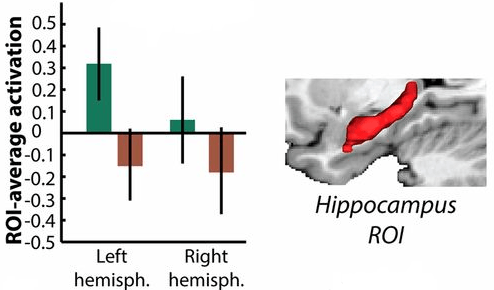
1. The researchers excluded emotional content, although the study involved areas of the brain involved in processing emotions:

roi

How could the study’s findings apply to:

“The distressing intrusions that accompany posttraumatic stress disorder

when emotional memories were excluded? It was an unsupported assertion for one of the researchers to state:

“The better understanding of the neural mechanisms underlying this process arising from this study may help to better explain differences in how well people adapt to intrusive memories after a trauma.”

2. The term “unconscious” was used 27 times, including in the title, without defining it. The cited studies defined “unconscious” several meaningfully different ways. How could the findings achieve validity when they contained an undefined term?

3. The experiments involved short-term memories and visual perception, and the subjects took longer to visually perceive objects that they had been directed to suppress than those that they had been directed to think about. However, the researchers didn’t show that these experimental results could be extrapolated into findings about long-term unconscious memories.

4. Data manipulation:

  • The researchers noted:

    “We did not observe less hippocampal activation during no-think than think trials.”

  • This data didn’t fit what they wanted to find, so they:

    “Restricted the search volume to anatomically defined regions of interest.”

  • They still couldn’t make their predetermined finding, so they discarded:

    “An outlier which compromised the significance of this effect.”

The above process didn’t support the statement that immediately followed:

“Thus, suppression robustly engaged the brain regions associated with memory control, and this was accompanied by reduced activation in the hippocampus.”

Didn’t the reviewer have something to say about these four problem areas?

It was a letdown to read the details of the study when its title held out such promise for informing us about the unconscious influence of memories. Per the Scientific evidence page, it would really help a person as a first step to become somewhat aware of their unconscious memories and feelings, especially when these are expressed through behavior.

http://www.pnas.org/content/111/13/E1310.full “Suppressing unwanted memories reduces their unconscious influence via targeted cortical inhibition”