If it stinks, it’s good for you

This 2019 review subject was hydrogen sulfide and broccoli sprout compounds:

“Release of H2S was identified as a hidden mechanism responsible for effects of natural compounds that were used for a long time for pharmacological, therapeutic or nutraceutical purposes. For instance, the release of H2S was recognized as the main mechanism accounting for the biological effects of garlic.

There is evidence of a close overlap between numerous physiological / biological effects attributed to natural ITCs [isothiocyanates] and H2S. They both behave as antioxidant and anti-inflammatory agents, are activators of potassium channels modulating a vasodilatory effect, and are chemopreventive agents. Moreover, an impressive overlap can be observed in the molecular mechanisms of action.

Vascular inflammation results from the persistence of oxidative and/or inflammatory stimuli on the endothelium and vascular smooth muscle. These types of stimuli can be a consequence of prolonged status of mild inflammation and are typical in certain metabolic / cardiovascular diseases, spreading to all organs and tissues.

Advanced glycation end products (AGEs) are responsible for an increase in LDL. Binding of AGEs to their receptors RAGE results in an increase in intracellular ROS generation and in activation of NF-kB. Oral consumption of SFN [sulforaphane] precursor-rich broccoli sprouts decreases the serum levels of AGEs in humans.
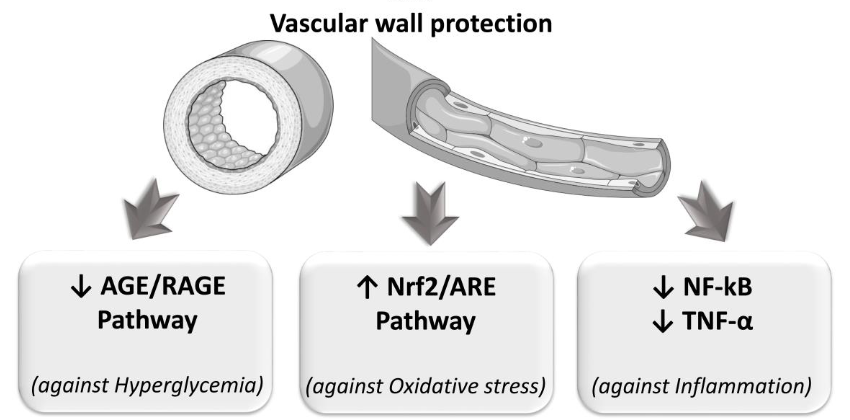
Inflammatory response plays a pivotal role in initiation and maintenance of chronic neuropathic pain. Inhaling low concentrations of H2S protects motor neurons from degeneration and delayed paraplegia in a mouse model of sciatic constriction injury. This effect has been ascribed to the activation of the Nrf2 pathway.

Dose-dependent rise of the pain threshold mediated by SFN was fully prevented by simultaneous administration of hemoglobin, confirming that H2S is likely to be the real player in ITC-induced analgesia. Kv7 channel activation can be considered one of the main mechanisms in the antinociceptive activity of H2S-releasing drugs.”

https://www.liebertpub.com/doi/10.1089/ars.2019.7888 “Organic Isothiocyanates as Hydrogen Sulfide Donors” (not freely available)


These reviewers were long on equivalencies and short on proofs. Unlike study researchers, reviewers aren’t bound to demonstrate evidence from tested hypotheses. Reviewers are free to:

  • Express their beliefs as facts;
  • Over/under emphasize study limitations; and
  • Disregard and misrepresent evidence as they see fit.

Study researchers are obligated to provide detailed analyses of why observed effects couldn’t have been produced from unobserved causes. That didn’t happen here.

Epigenetic clock technology

This 2020 Norwegian study investigated current epigenetic clock technology:

“Epigenetic clocks are based on CpGs from the Illumina HumanMethylation450 BeadChip (450 K) which has been replaced by the latest platform, Illumina MethylationEPIC BeadChip (EPIC). EPIC is a major improvement over its predecessor, 450 K (> 450,000 CpGs), in terms of number of probes (> 850,000 CpGs) and genomic coverage of regulatory elements.

The training set of other epigenetic clocks was mostly based on 450 K, except for Horvath Skin & Blood clock which used both 450 K and EPIC-derived DNAm data. Additional CpGs on EPIC do not enhance accuracy or precision of epigenetic clocks when the training set is reduced.

We validated epigenetic clocks in EPIC-derived blood-based DNAm data (n = 470; 305 European women and 165 South Asian women). eABEC showed that epigenetic age acceleration (EAA; residuals from regression of DNAm age on chronological age) was higher in South Asian women than in Norwegian women.

The reason for higher precision is likely due to the large training set (n = 2227) and wide age-span of samples (19 to 88 years for the training set of eABEC).

EPIC probes that are designed to cover regulatory regions did not increase precision. It is difficult to dismiss the possibility that other regulatory CpGs not currently included on EPIC might improve age prediction.”

https://bmcgenomics.biomedcentral.com/articles/10.1186/s12864-020-07168-8 “Blood-based epigenetic estimators of chronological age in human adults using DNA methylation data from the Illumina MethylationEPIC array”


This study’s main point was deficits in current technology. The above graphic demonstrated that epigenetic clocks could do better across different ethnicities.

These researchers repeated a point from An epigenetic clock review by committee about increasing training set size. They missed a point from Do epigenetic clocks measure causes or effects? that:

“The power of these measures as diagnostic and prognostic may stem from the use of longitudinal data in training them. Rather than continuing to train chronological age predictors using diverse data, it may be more advantageous to retrain some of the existing measures by predicting longitudinal outcomes.”

They also didn’t assign much relevance to coverage improvements of The epigenetic clock now includes skin:

“Although the skin-blood clock was derived from significantly less samples (~900) than Horvath’s clock (~8000 samples), it was found to more accurately predict chronological age, not only across fibroblasts and skin, but also across blood, buccal and saliva tissue.”

What I’d like to know about epigenetic clock measurements of biological age is: Why aren’t thousands of studies using them every year? How can we expect continuous improvements in their technologies or coverages or training sets without widespread use?


Anti-tumor effects of β-glucan

This comprehensive 2020 rodent study investigated dozens of scenarios for β-glucan in the context of anti-tumor immunity:

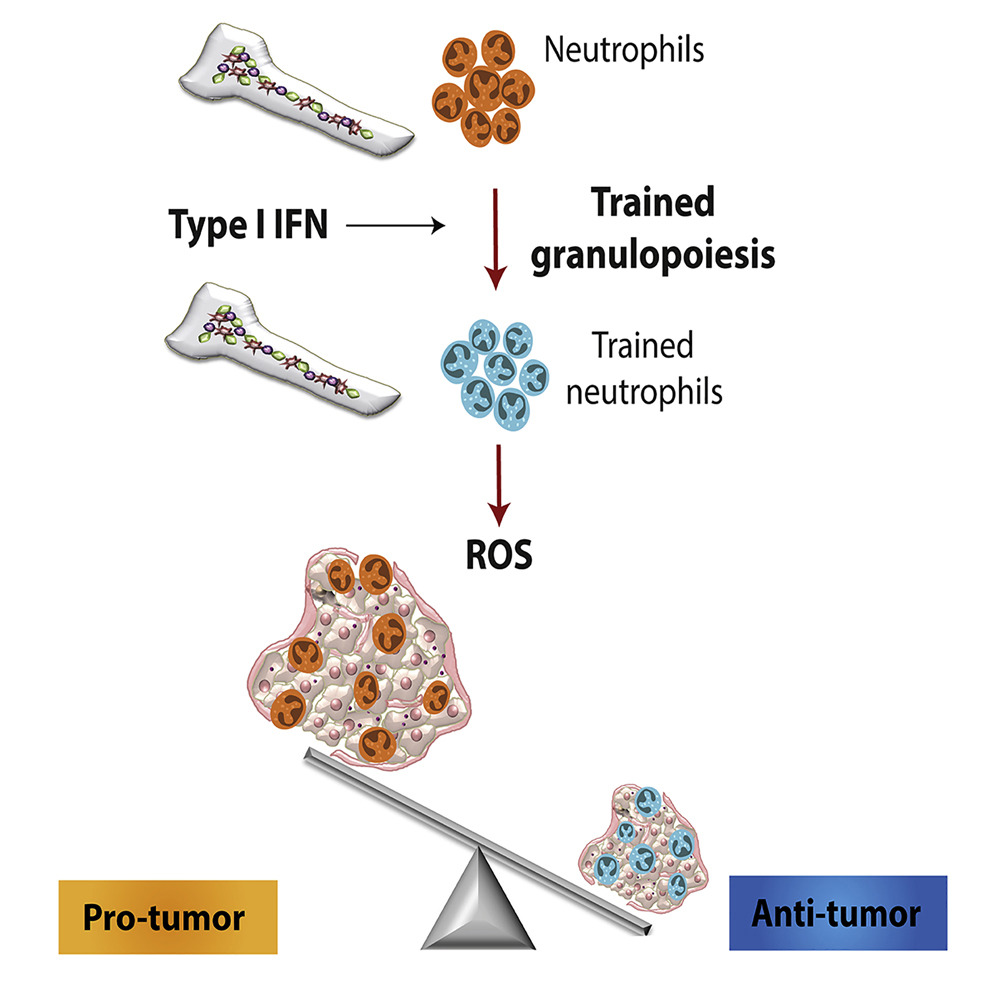
“Neutrophils and granulopoietic progenitors are major cellular effectors of β-glucan-induced trained immunity. The anti-tumor effect of β-glucan-induced trained immunity was mediated by qualitative changes in neutrophils.

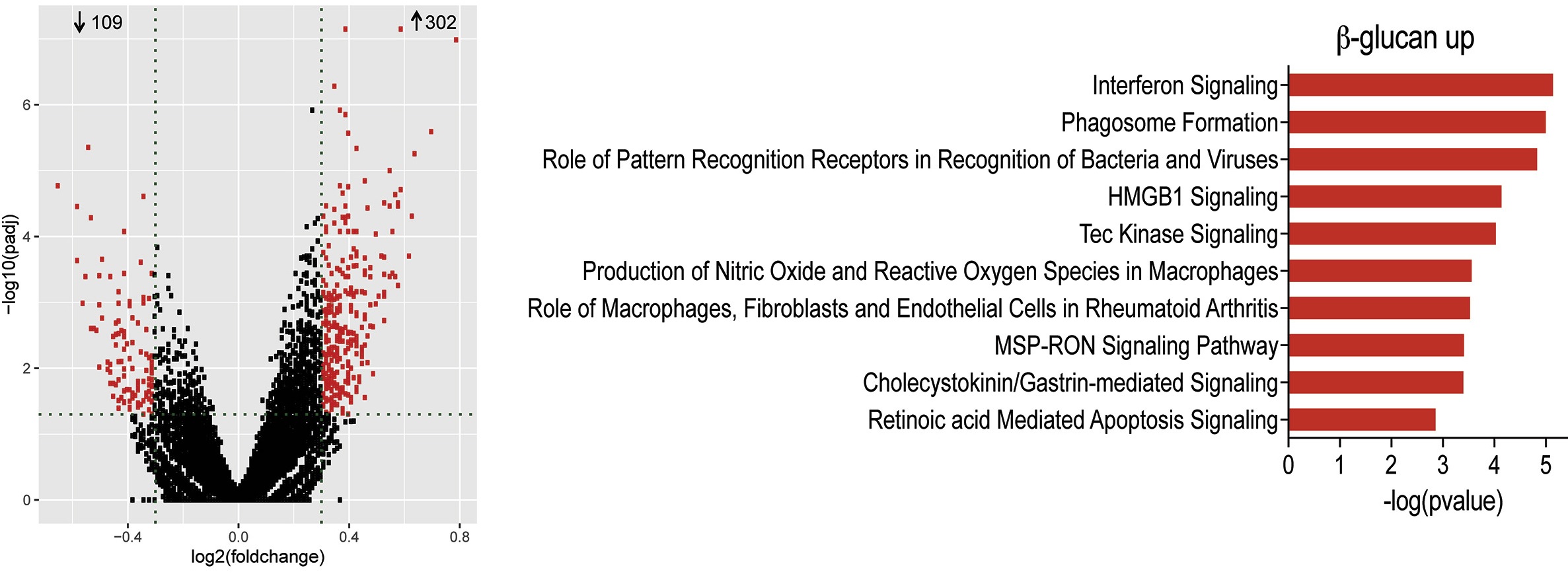
A tumor-suppressive phenotype in neutrophils was associated with training of granulopoiesis mediated by type I IFN [interferon] signaling. Our analysis provided additional evidence for trained immunity-induced epigenetic rewiring of granulopoiesis toward an anti-tumor phenotype and corroborated the experimentally demonstrated IFN- and ROS-related mechanisms.

We observed inhibition of tumor growth by systemic transfer of trained neutrophils into already tumor-bearing mice. As granulocyte transfusion is currently considered as a therapy in humans with neutropenia, it is conceivable that cancer patients could receive as an adjuvant immunotherapy granulocytes from normal donors after induction of trained immunity in the latter.

Our study is the first to link the anti-tumor actions of β-glucan to trained immunity. We show here that the innate immune training and rewiring of granulopoiesis underlies the anti-tumor effect of β-glucan.”

https://www.cell.com/cell/fulltext/S0092-8674(20)31299-X “Innate Immune Training of Granulopoiesis Promotes Anti-tumor Activity”


Which do you prefer? The study’s graphical abstract:

or one of its volcano plots?

Here’s an overview of one investigated direction:

“To determine whether adaptive immunity is involved in the anti-tumor effect induced by β-glucan, mice that lack B and T cells were treated with β-glucan [1 mg] prior to the secondary tumor challenge. Pre-treatment with β-glucan decreased both B16-F10 [melanoma] and LLC [Lewis lung carcinoma] tumor burden also in [these] mice, showing that the anti-tumor effect of β-glucan-induced trained immunity does not require adaptive immunity.”


This study provided another example of what they called rewiring (but I term reprogramming) of the body’s environmental signaling pathways to achieve a desired phenotype, trained innate immunity. Whatever the terminology, almost every day over the past fifteen years I’ve eaten β-glucan in an oats breakfast and a 1/3, 1/6 yeast supplement at dinner as part of individually evolving.

Reprogramming other signaling pathways are in blog posts such as:

Take responsibility for your one precious life.

Flying over waves